


To train safely during different life stages, we should adapt our workouts accordingly. For kids and teens, prioritize active play and sports for fitness and social skills. In our 20s and 30s, incorporate high-intensity interval training and strength exercises to build muscle and endurance. As we enter our 40s, low-impact strength training and balance exercises become essential. For seniors, focus on joint-friendly activities like walking and swimming. We can maximize our success by personalizing workouts with regular assessments and coaching. There’s more helpful information to reflect on as we approach each stage.
Key Takeaways
- Encourage active play and sports participation in kids and teens to enhance fitness while fostering social skills and teamwork.
- Incorporate high-intensity interval training and strength exercises for young adults to maintain cardiovascular health and build muscle.
- Focus on low-impact strength training and balance exercises in middle age and beyond to protect joints and prevent falls.
- Utilize fitness assessments to personalize workouts and track progress, ensuring safe and effective training regimens.
- Adapt routines regularly and monitor progress to maintain motivation and address individual physical needs throughout life stages.
Understanding Age-Appropriate Physical Activity
Are you looking to figure out what kind of physical activity is right for you or your loved ones at different ages? It can be confusing, can’t it? Each stage of life calls for different types of exercise, and understanding these needs is key to living a healthier life.
For kids and teens, active play is so crucial. It doesn’t just keep them fit; it also helps them focus better in school and improves their academic performance. Think about it: when kids play, they’re not only having fun, but they’re also building important skills.
As we transition into adulthood, keeping fit becomes more about maintaining our health. High-intensity workouts and group classes can be great choices here because they not only help you stay in shape but also connect you with other people. Social interactions can really boost motivation and make working out feel less like a chore.
Once we hit middle age, it’s time to switch gears. Strength training becomes super important as our muscle mass starts to decline. Pair that with flexibility and balance exercises, and you’re setting yourself up for success. These types of workouts can help prevent injuries, which is something we all want to avoid!
For seniors, the focus shifts again. Low-impact activities are often the best fit, tailored to each person’s abilities. Prioritizing balance and mobility can significantly lower the risk of falls, which is a big concern for many.
So, how do you keep track of all this? Regular fitness assessments can help tailor a workout plan that adjusts with your changing health needs. It’s about finding what works for you at each stage of life.
To sum it up, staying active looks different throughout our lives, but the key is to keep moving in ways that suit us. Wearing supportive workout gear can enhance comfort and confidence during physical activity. What’s your go-to activity for staying fit?
Essential Workouts for Your 20s and 30s
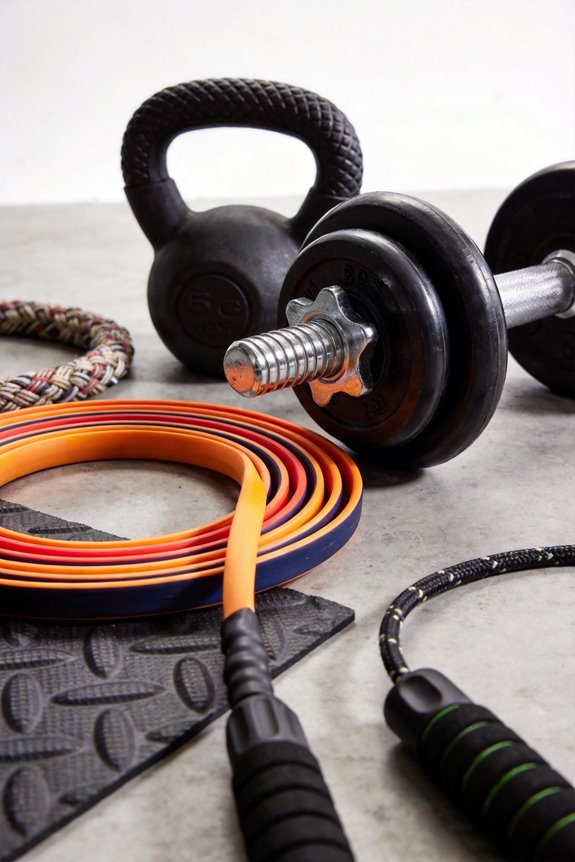
What’s the secret to staying fit in your 20s and 30s? It’s all about finding the right workouts that really work for you. High-intensity interval training (HIIT) can seriously boost your cardio, and integrating strength exercises like resistance training is super important for building muscle. Variety is key—mixing in activities like running or joining a local team sport makes things more fun and keeps you coming back for more.
As you ease into your 30s, shifting the focus towards core stability is crucial. Think about adding in exercises like planks and bridges. Plus, bodyweight exercises and some light dumbbell workouts can work wonders without being overwhelming. Keeping consistent with your routine is what really matters, so scheduling time for workouts makes it easier to stick to a healthy lifestyle.
And here’s the trick: circuit training can give you a fantastic combo of cardio and strength in one go. Have you had any early injuries or weaknesses? Honestly, addressing those with physical therapy can be really helpful. It sets you up for a smoother journey in fitness while minimizing risks of hurting yourself down the line. Wearing supportive gear such as compression tank tops can further enhance workout performance and help reduce muscle fatigue.
Strengthening Strategies for Your 40s
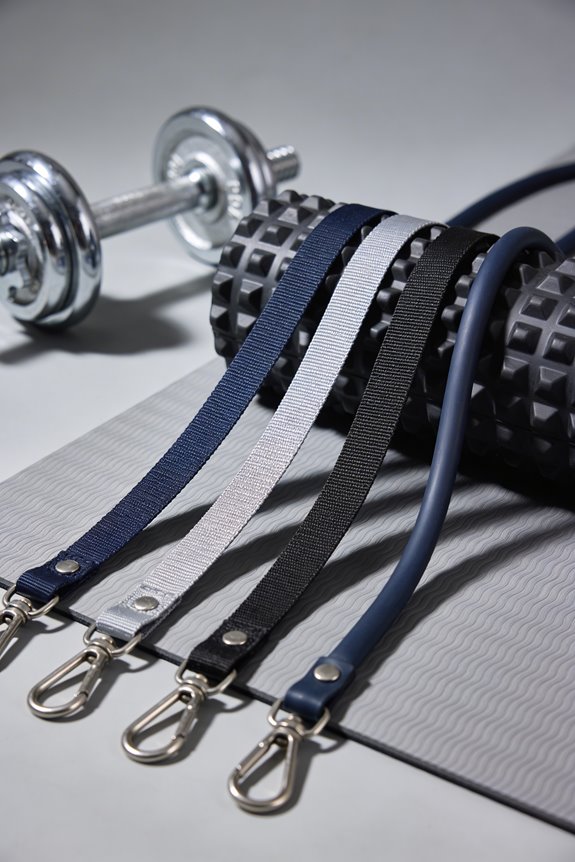
As you hit your 40s, you might start feeling those little twinges in your joints and wonder how to stay strong without the aches. Low-impact strength training is your best friend during this time. Think about using resistance bands or machines designed for controlled movement. They can really boost your muscle strength while protecting those aging joints.
Before you dive into your workout, always give dynamic stretching a shot. It primes your body for the exercises ahead and keeps you flexible. Afterward, don’t skip the static stretching either. It’s crucial for cooling down and helps reduce the risk of injuries.
You might also want to mix in some balance exercises. Have you ever tried single-leg stands or yoga poses? They work wonders for stability and can keep you on your feet longer.
Regular workouts are important. They help create a routine that benefits not only your strength but also your heart health. Honestly, make it a habit. Set specific times in your week for these workouts; you’ll be glad you did.
If you start to notice any nagging pains, address them early. Small adjustments can go a long way in keeping you active and enjoying life.
In the end, it’s all about finding what works for you and being consistent about it. Wearing moisture-wicking leggings can help keep you comfortable and dry throughout your workouts as you age. So, what’s your plan for staying strong as you age?
Stay Mobile and Balanced in Your 50s
Have you ever noticed your balance slipping a bit as you hit your 50s? It’s pretty common. As our bodies age, keeping mobility and balance becomes more important. Weight-bearing exercises, like walking or light jogging, can really help maintain bone strength and muscle mass.
Try this: aim for 2-3 sets of 8-12 repetitions when you’re doing strength training. These exercises support both your overall strength and functional fitness, making daily tasks easier. Adding gentle activities like tai chi or yoga will bolster your core strength, balance, and coordination—essential elements for fall prevention.
It’s also crucial to listen to your body. Are those little aches and pains becoming more frequent? Addressing them early on can significantly impact your mobility down the line. If you can, consider getting a physical therapy assessment to create a personalized exercise routine. This way, you can stay active and maintain your independence in everyday life. Additionally, using posture correctors can enhance spinal alignment and reduce discomfort during prolonged sitting periods.
Safe Exercise Practices for Seniors
Staying active in our later years can feel a bit daunting, right? It’s easy to think about the risks, but let me tell you, the health benefits of keeping moving are significant. Safety is key as we age, so let’s explore some practical ways to stay fit without putting ourselves at risk.
For seniors, low-impact exercises like swimming and walking are fantastic options. These activities not only boost your heart health but also keep the stress off those achy joints. Try this: make it a habit to walk regularly or dive into a pool—both are gentle yet effective for maintaining an active lifestyle.
Now, let’s talk strength training. This can sound intimidating, but trust me, it doesn’t have to be. Using light weights or resistance bands a couple of times a week helps you maintain muscle mass and bone health. Just a short session two or three times a week can make a world of difference.
We also can’t overlook the importance of balance and stability exercises. Simple activities like tai chi or heel-to-toe walking can work wonders in preventing falls. Frankly, falling is one of the biggest concerns as we get older, so focusing on balance doesn’t just help with physical fitness; it gives peace of mind.
Don’t forget about your flexibility! Gentle stretching or participating in yoga classes helps improve your range of motion and keeps you moving freely. It’s amazing how a little stretching can brighten your day and make daily activities easier.
In addition, incorporating acupressure mats into your routine can enhance relaxation and aid muscle recovery safely.
Lastly, regular check-ins with your healthcare provider are a must. It ensures your fitness plans fit your specific health needs, keeping your workouts both safe and effective.
In short, there are plenty of ways to stay active and safe as you age. So, what’s your favorite way to get moving? Let’s keep those bodies healthy and strong!
Using Fitness Assessments to Tailor Your Workouts
Sure, let’s dive right in! If you’re feeling stuck in your fitness routine, fitness assessments might just be what you need. Think about it: how often do you take a step back to really check in on your progress? These assessments can give you a clear picture of your cardiovascular fitness, body composition, and flexibility. They help you pinpoint what you’re rocking and what might need some work.
You might wonder, “What does this even involve?” Well, common ways to assess yourself include timed walks, strength tests, or even flexibility exercises. These aren’t just random activities; they provide real insights into where you stand fitness-wise. So, consider making time for regular check-ins.
Here’s the trick: tracking your assessments can keep your workout plans fresh and aligned with your goals. Whether you’re aiming for weight loss, building muscle, or just looking to improve your overall fitness, knowing where you’re starting from can be a game-changer. Plus, this custom approach is key to preventing injuries by recognizing your own physical limits.
Honestly, nurturing your physical well-being should be top of mind. By regularly assessing your fitness and adjusting your routine, you’re not only working toward your personal goals but also ensuring that your approach suits you specifically.
Take a moment to reflect on how you’ve been measuring your own journey. Are you using assessments to steer your workout plans? Making these adjustments can lead to a more fulfilling fitness experience. Additionally, wearing appropriate moisture-wicking materials during workouts can enhance comfort and performance while you train.
Maximizing Workout Success With Personalized Coaching
Have you ever felt lost while trying to get in shape? You’re not alone. A lot of people struggle with finding the right workout routine, and that’s where personalized coaching can make a big difference, especially since we all go through different life stages.
Working with a certified personal trainer can be a breath of fresh air. They have the expertise to help you really understand your body, ensuring you modify your exercise routine safely. Through fitness assessments, you can pinpoint your strengths and weaknesses, which makes it easier to create a workout plan that fits your health needs and age.
Sticking to a consistent exercise routine can be tough, but a trainer can keep you motivated and on track. If you find certain exercises aren’t working for you, they can help adjust your plan to suit your ongoing journey. Plus, having a structured routine that targets multiple muscle groups can really boost your overall fitness.
So, why does this matter? Open communication is key. You want to talk with your trainer regularly to make sure you’re both on the same page with your progress and goals. This way, your workout plan can evolve as you do.
In the end, it’s all about making health and wellness a long-term priority. Incorporating accessories like cooling towels can also enhance your workout experience, helping you stay comfortable during intense physical activity. What steps are you going to take today to push yourself closer to your fitness goals?
Incorporating Variety and Adaptability in Workouts
Feeling stuck in your workout routine? You’re not alone. Many of us hit plateaus or simply get bored with the same old exercises. That’s why mixing things up and making your workouts more adaptable is key to staying engaged and achieving your fitness goals.
A balanced fitness routine should cover a range of activities: cardio, strength training, and flexibility work. This variety not only helps target different muscle groups, but it also boosts your overall strength and makes you more functional in everyday life. Think about it—how often do you just do the same few exercises over and over? To avoid that rut, you can try adding some new moves or changing the way you approach your workouts.
Here’s a simple tip: change your routine every few weeks. Whether it’s trying a new class, experimenting with resistance bands, or switching from running to biking, keeping things fresh can make a huge difference. When workouts become monotonous, it’s easy to lose motivation. And let’s face it, we all need a little spark sometimes! So how can you keep things interesting?
Consider your fitness journey as a series of stages. As you age or your lifestyle changes, your workouts should adapt, too. Low-impact cardio can be a great alternative if you’re starting to feel aches and pains. Plus, using resistance bands can still offer a solid strength workout without putting too much strain on your body.
Incorporating the right equipment like firm heel support can also improve your exercise safety and performance, especially during strength training.
Ultimately, being adaptable in your workouts helps you stay safe and reach your goals. It’s all about making your training effective and fun. So, what’s one thing you could change in your routine this week? Remember, a little variety can go a long way.
Frequently Asked Questions
What Is the 2 2 2 Rule in Gym?
The 2 2 2 rule helps us enhance gym safety by balancing workout intensity and training frequency. It promotes strength progress and injury prevention, ensuring effective exercise recovery while considering age and workout goals with proper nutrition timing.
What Is the 4 8 12 Rule?
We embrace a four-step approach with the 4-8-12 rule: ensuring safety considerations, age adaptations, and performance monitoring while incorporating recovery strategies, training intensity, and flexibility training for consistent workout progression and effective injury prevention.
What Is the 5-3-1 Rule?
The 5-3-1 training program emphasizes strength progression through strategic training cycles. By focusing on weight lifting techniques, recovery strategies, and exercise intensity, we align our efforts with personal goals while prioritizing injury prevention throughout our journey.
What Is the 6 12 25 Rule?
We’ve got a great guideline: the 6 12 25 rule! It highlights warm-ups, workout intensity, and cooldowns for better recovery. Regular practice promotes injury prevention and meets our fitness goals with exercise variety and a balanced nutrition approach.


