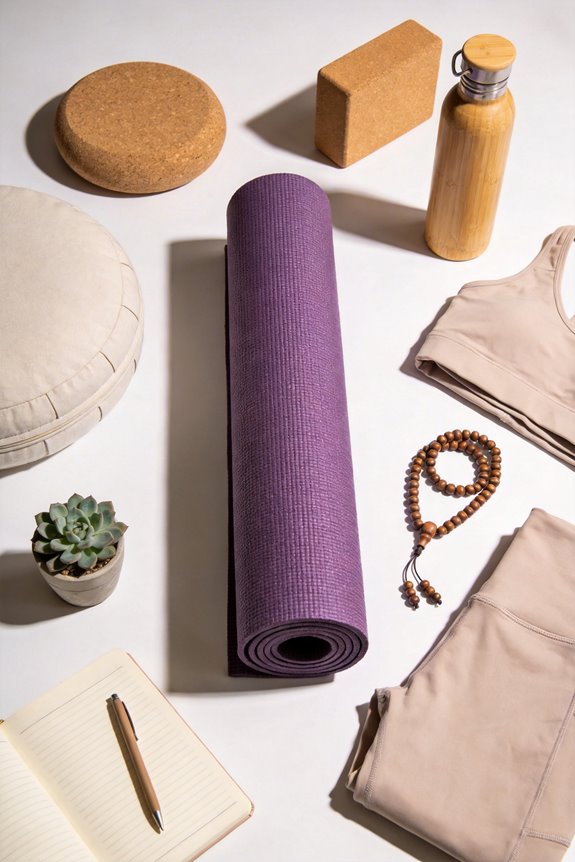
Morning yoga kickstarts our day, boosting energy and mental clarity through gentle stretches and focused breathing; it helps with flexibility and reduces muscle stiffness. In contrast, evening yoga promotes relaxation and enhances sleep quality, focusing on restorative poses that ease tension. The choice between morning and evening sessions affects our energy levels and stress management; morning practices energize us, while evening classes provide a calming wind-down. We’ll explore how to create a routine that best suits our needs.
Key Takeaways
- Morning yoga enhances mental clarity and energy levels, making it ideal for kickstarting the day.
- Evening yoga focuses on relaxation and stress relief, helping to unwind after a long day.
- Morning sessions typically last 10-30 minutes, fitting into busy schedules, while evening practices can extend to 30-45 minutes.
- Gentle flow styles are best suited for mornings, while restorative or yin yoga promotes a peaceful mindset in the evening.
- The choice between morning and evening yoga depends on individual needs for focus or de-stressing throughout the day.
The Unique Benefits of Morning Yoga
Are you tired of waking up feeling sluggish and unmotivated? Morning yoga could be just what you need. It’s a great way to kickstart your day, giving both your body and mind a boost. I mean, who doesn’t want a little more mental clarity first thing in the morning? By practicing yoga when you rise, you’re more likely to stick with it since the mornings tend to be quieter.
Those gentle stretches and focused breathing really work wonders for those stiff muscles. You’ll feel a difference in how comfortable you are throughout the day. Incorporating sun salutations and some balancing poses can also help increase your flexibility while boosting your metabolism.
The best part? You might even find yourself cutting back on caffeine. Morning yoga can naturally elevate your alertness and energy levels, making you feel more awake without those extra cups of coffee.
Think about it. Starting your day with yoga not only helps reduce stress but also lays down a solid foundation for staying focused later on. So, why not give it a try? You just might find it makes a significant impact on your daily routine.
Additionally, consistent practice can enhance blood circulation, which supports overall muscle health and endurance.
How Evening Yoga Promotes Relaxation and Recovery

Ever had one of those long days where it feels like stress is just piling up? Evening yoga can really help you wind down and recharge after a hectic day. This practice can create a sense of calm and help you let go of the stress that’s built up. When you dive into restorative poses, you might notice a real boost in your sleep quality. Those gentle stretches can lower cortisol levels, which is a big deal when it comes to relaxing your nervous system.
With your muscles warm from the day’s activities, you’ll discover that you can stretch a little deeper and get more flexible. Think about it—gentle twists and relaxation poses not only help ease muscle tension but also boost circulation. This means better recovery for those muscles that worked hard throughout the day.
So, why does this matter? Honestly, evening yoga isn’t just about the poses; it’s also a time for mindfulness and emotional processing. It gives you a moment to shift from the chaos of daily life to a more peaceful mindset for the night.
The best part is, incorporating an evening yoga routine can truly impact your overall well-being. By making this a habit, you’re not just investing in your physical health but your mental clarity, too. Wearing breathable workout jackets during your practice can help maintain comfort throughout your session, enhancing the overall experience.
Next time you’re feeling overwhelmed, consider rolling out your yoga mat. What could be better than a little time for yourself to stretch, breathe, and reflect before bedtime?
Morning vs. Evening Yoga: Energy Levels Compared?

Have you ever wondered whether practicing yoga in the morning or evening is better for your energy levels? It’s a common question, and honestly, both morning and evening yoga have their unique perks that can cater to different needs.
Starting your day with some yoga can really set a vibrant tone for what’s ahead. Morning yoga tends to rev up both your body and mind. It helps keep those cortisol levels in check, which means you’ll feel more alert and ready to tackle your day. Plus, it can boost your flexibility and ease any muscular tightness you might feel after a night of rest.
Now, if you’re thinking about winding down after a long day, evening yoga can be just what you need. It’s all about tuning into your body when it’s naturally warmer, which can enhance your flexibility even more. The practice helps your nervous system relax, acting like a comforting balm after whatever the day threw at you. Regularly getting on your mat in the evening can lower your heart rate and bring those cortisol levels down, which may even help you sleep better later on.
So, why does this matter? If you’re looking to sharpen your focus and boost your energy, morning yoga might be your best bet. But, if your goal is to de-stress and disconnect from daily chaos, evening sessions can work wonders for your overall well-being.
Additionally, wearing clothing with moisture-wicking technology during yoga can significantly enhance comfort by keeping you dry through your practice.
In the end, whether you prefer morning or evening yoga, both have something valuable to offer. Think about what fits your lifestyle best and give it a try! Which time of day do you think would serve you better right now?
Best Yoga Types for Morning and Evening Practices
Finding the right type of yoga for your morning or evening practice can feel a bit tricky, right? It’s all about tuning into what your body craves at different times of the day.
For your morning sessions, consider going for gentle flow styles and energizing poses. These movements are great for waking up both your body and mind, helping you kickstart your day on a positive note. Plus, a quick flow can be just the thing to shake off any morning grogginess.
On the flip side, when evening rolls around, you definitely want to shift gears. Try incorporating restorative yoga or yin yoga, as these styles focus on relaxation. Poses that promote mindful breathing and gentle twists can really help you unwind after a busy day.
Here’s a quick breakdown of what might work best:
- Morning practices often last 10 to 30 minutes, so you can fit them in even on a tight schedule.
- Evening sessions can be a bit longer, lasting from 30 to 45 minutes, giving you that extra time to settle down before bed.
So, why does this matter? Aligning your yoga style with your energy levels throughout the day can make all the difference in how you feel overall. Honestly, it’s about finding that balance that works for you.
To wrap it up, listen to your body and adjust your yoga practice according to the time of day. Incorporating breathable fabrics into your yoga attire can also enhance comfort and performance during your sessions. What’s your go-to style for morning or evening yoga?
Personal Preferences in Yoga: Choosing Your Ideal Practice Time
Choosing the ideal time for yoga practice can make a big difference in how you feel and what you get out of it. We all have busy lives and different body rhythms that shape when we like to practice. Does morning yoga energize you for the day ahead? For many, it’s a wonderful way to kickstart the day with a calm mindset.
On the flip side, if you find evenings hectic and draining, you might lean toward yoga as a way to relax and shake off the stress. It can be an effective way to carve out some quiet time and reflect on your day.
Here’s the trick: Try experimenting with different times to see what suits you best. You might find that practicing at a certain time really helps lift your mood or brings you clarity. Remember, what works for one person might not be the best for you, and that’s perfectly okay. It’s all about finding that sweet spot that fits into your emotional state and daily routine.
Truth is, establishing a consistent yoga practice can be a huge boost for your overall well-being. Whether you love those early morning sun salutations or winding down with some deep stretches in the evening, finding your rhythm is key. In addition, staying comfortable during practice with layers featuring moisture-wicking properties can enhance your experience regardless of the time you choose.
Tips for Creating a Consistent Yoga Routine
Creating a consistent yoga routine can feel like a challenge, right? You want to fit it into your busy life, but where do you start? Figuring out a schedule that works with your commitments and energy levels is key.
To kick things off, try practicing at different times of the day. Mornings might give you that energizing boost, while evenings could help you wind down. Don’t forget that shorter sessions can be just as effective—set aside 10-15 minutes each day. It’s often easier to stick with a mini-practice than to carve out a big chunk of time here and there.
Here’s the trick: think about the types of yoga you want to focus on. You could start your day with some upbeat sun salutations to get your blood flowing and switch to calming restorative poses at night to help relax. It’s amazing how different styles can set the mood for your day or night, don’t you think?
Also, pay attention to how your practice affects your mood and overall well-being. If something doesn’t feel quite right or isn’t fitting into your lifestyle, don’t hesitate to make adjustments. Staying flexible—pun intended—will help you fully enjoy the benefits of yoga.
Using the right yoga accessories like a comfortable yoga blanket can enhance your practice and provide extra support during restorative poses.
How to Combine Morning and Evening Yoga Sessions Effectively
Integrating morning and evening yoga sessions can really boost how you feel throughout the day. Ever wake up sluggish, wishing for a little extra energy? Morning yoga can help with that! A gentle flow or a series of sun salutations for just 10 to 30 minutes can really make a difference, waking you up and sharpening your mind.
Then there’s the evening practice. After a long day, what could be better than taking time to unwind? Evening sessions focus on relaxation and stress relief, and a restorative or yin practice for 30 to 45 minutes is perfect for easing tension and getting you ready for sleep.
So, why does this matter? Combining these two practices may actually support your body’s natural rhythms. It allows you to rev up in the morning and settle down at night, which can lead to better flexibility and relaxation. The key is to fit these practices into your routine based on your personal goals—schedule your morning yoga when you feel most awake and use the evenings to help you chill out.
Here’s the trick: try experimenting with different yoga styles and timings to see what feels best for you. You might find that a vigorous session in the morning is just what you need to kickstart your day, while a softer practice at night helps you unwind. The best part is, everyone’s routine will look a bit different, so find what aligns with your lifestyle.
In short, totally consider blending morning and evening yoga into your routine. Choosing comfortable clothing made with moisture-wicking materials can also enhance your comfort during both sessions. What will you try first?
Expert Tips for Timing Your Yoga Sessions
Have you ever found yourself wondering when the perfect time is to squeeze in some yoga? If you’re thinking about morning yoga, you’ll notice a boost in energy and clarity, especially after a restful night. That’s because your cortisol levels are lower when you wake up, making it a great time to get going. On the flip side, evening yoga is all about relaxation. It helps you release the stress of the day and allows for deeper stretches that calm both your body and mind.
To figure out what works best for you, take a moment to reflect on your personal schedule and how your body feels throughout the day. Some people thrive with morning sessions, enjoying the energy they bring, while others find that evening practices are the perfect way to wind down. Here’s the trick: try mixing both into your week and see how it goes. You might discover that one time really resonates with your energy levels or complements your lifestyle.
So, why does it matter? When you listen to your body and tune into your natural rhythms, you’re setting yourself up for a consistent yoga routine that fits seamlessly into your life. Honestly, establishing this kind of routine can make a significant difference in how you feel day-to-day. Additionally, wearing appropriate clothing that offers moisture-wicking technologies can help maintain comfort during your practice regardless of the time of day.
Assessing Your Optimal Yoga Practice Time
Finding the right time for your yoga practice can make a big difference in how you feel and what you get out of it. Ever notice how mornings still have that calm vibe before the world kicks in? Morning yoga can bring you daily consistency and an energy boost since there are usually fewer distractions. But then again, evening yoga offers a chance to shake off the day’s stress and unwind. So, which do you think would work better for you?
When considering when to practice, look at your personal schedule and how your body feels at different times of the day. Think about trying both options.
- Short morning sessions of 10-30 minutes can help sharpen your focus and boost mental clarity.
- Longer evening practice, maybe around 30-45 minutes, can help you let go of tension and prep for a good night’s sleep.
So, why not give both a shot? You might find that mixing it up keeps things fresh and aligned with your needs.
The best part is getting to know your preferences can seriously help maximize the benefits for your well-being. Finding your ideal time to practice yoga is part of the journey. What’s your experience with different times of day for yoga?
Keep in mind that practicing yoga in breathable fabrics can enhance comfort and performance during your session.
Frequently Asked Questions
Is It Better to Do Yoga in the Morning or Evening?
It’s all about personal preference. We find morning yoga boosts our energy and mental clarity, while evening sessions offer calm and stress relief. Consistency in our practice aligns with our body rhythms and daily routines.
Does It Matter What Time You Do Yoga?
Yes, it matters what time we do yoga. Our energy levels, personal schedule, and time preference influence the yoga benefits we experience, enhancing mental clarity, relaxation techniques, and physical endurance while improving stress management in our daily routine.
Which Evening Time Is Best for Yoga?
As the sun sets, we find the ideal timing for yoga, ideally 1-3 hours before sleep. Evening benefits like relaxation techniques, mindfulness practice, and group dynamics enhance our energy levels and sleep quality, embracing personal preference in class availability.
Is It Better to Do Yoga Before Bed or After Waking Up?
We believe it’s a personal preference. Morning yoga boosts energy while evening sessions enhance relaxation, offering stress relief and flexibility improvement. Incorporating both in our routine can promote better sleep quality and strengthen family bonding through shared practice.