
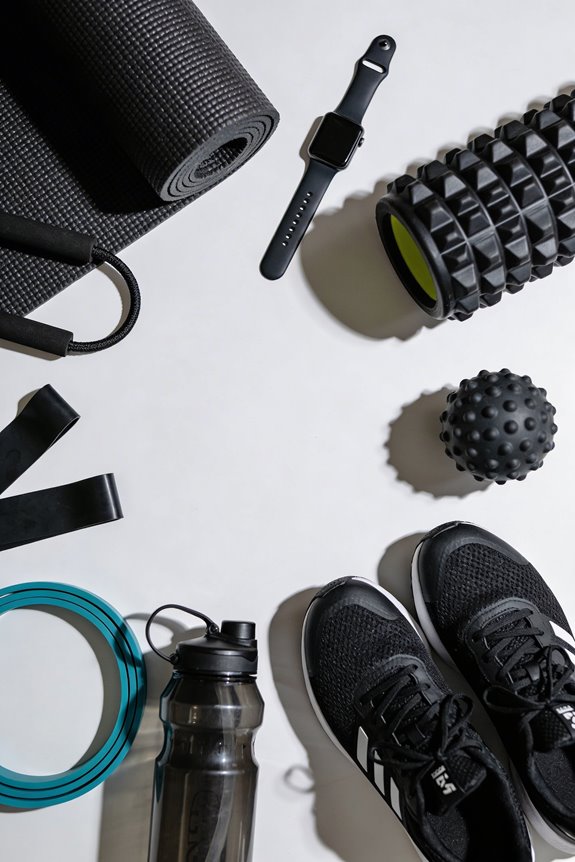

Effective stress management plays a key role in enhancing athletic performance. Stress can lead to muscle tension, fatigue, and decreased focus, making it harder to perform at our best. By utilizing techniques like mindfulness, breathing exercises, and positive self-talk, we can reduce these stress impacts. Creating a supportive environment with strong social networks and managing sleep quality also aids recovery. Incorporating these strategies into daily routines promotes physical and mental resilience; learn how to apply these approaches effectively.
Key Takeaways
- Effective stress management enhances athletic performance by reducing anxiety and improving focus during competitions.
- Techniques like mindfulness, breathing exercises, and positive self-talk help reduce stress and boost confidence.
- A strong support network, including coaches and teammates, contributes to effective stress management and fosters a supportive environment.
- Adequate sleep is crucial for recovery and mental resilience, directly impacting performance levels in athletics.
- Regular exercise not only alleviates stress but also enhances physical and mental health, promoting overall athletic success.
Understanding the Impact of Stress on Athletic Performance
Stress can really throw a wrench in your athletic performance. Ever felt that tightness in your muscles before a big game? That’s stress at work. Chronic stress leads to muscle tension, poor coordination, and even messes with your decision-making abilities. All of this can seriously pull down your performance. When cortisol levels rise due to prolonged stress, your immune system can take a hit, making it harder for you to recover from injuries, not to mention the toll it takes on your mental health.
Now, while a little bit of acute stress might actually help you push through a tough situation—thanks to that fight-or-flight response—it can spiral into fatigue and burnout if it lingers too long. So, here’s the trick: effective stress management is key. What can you do?
- Mindfulness practices: These can help you stay in the moment and reduce the weight of stress.
- Regular exercise: It’s not just about training for your sport; moving your body helps release built-up tension.
Choosing quality materials and flexible designs, like those with stretch fabrics, can also improve comfort and reduce physical stress during activity.
By keeping your focus on these simple strategies, you enhance your performance while also lowering stress. It’s about creating a healthier mindset that benefits both your body and mind.
Honestly, think about it—what’s the point of pushing through when stress is holding you back? Prioritizing your mental well-being can lead to better results on the field. Remember, you’ve got the tools to manage stress and keep moving forward. What’s one thing you can start doing today to help with your stress levels?
How Stress Affects Focus During Competition

Have you ever found yourself at a competition, feeling the pressure mount and your focus drifting away? You’re not alone. Stress can be a real killer when it comes to keeping your head in the game. It can mess with your concentration, ramp up performance anxiety, and just take a toll on your mental health.
When stress levels rise, so do mistakes. You might notice your reaction times slowing down or that nagging feeling of self-doubt creeping in right when it matters most. That’s when those intrusive thoughts pop up, pulling you away from the moment. So, what can you do about it?
Try adopting some coping techniques that might help you tackle this stress. Mindfulness practices can be surprisingly effective. Here are a few simple ideas:
- Breathing exercises: Just a few deep breaths can calm your nerves.
- Visualization: Picture yourself succeeding; it can ground you and boost your confidence.
- Set small goals: Focus on one thing at a time, rather than the whole competition.
These strategies aren’t just fluffy ideas; they actually enhance focus and lessen the cognitive load stress puts on you. The best part is that they can fit seamlessly into your routine, making it easier to stay clear-headed when the stakes are high.
Using aids like moisture-wicking headbands can also reduce physical distractions, helping maintain focus during intense physical activity.
So, how do you keep your cool under pressure? In short, integrating mindfulness and relaxation techniques into your practice can lead to better performance on the big day. Honestly, if you can manage your stress, you’ll find it’s much easier to stay present in the moment.
What are some strategies you plan to try next time you’re feeling the heat?
How Chronic Stress Affects Recovery From Injuries

Have you ever noticed how stress seems to stick around like an unwanted guest, even after the competition is over? It’s not just in your head; competition stress can sneak into your recovery process, affecting your healing in some surprising ways. When you’re under chronic stress, your body cranks up its cortisol production, which can really put a damper on your immune system. This means that not only might your injuries feel worse, but they could also take longer to heal.
So, what’s going on here? Higher stress levels can amplify pain, which is definitely not what you want while trying to recover. On top of that, mental stressors like anxiety and depression can mess with your motivation, making it tough to stick to your rehab plan.
The good news? There are ways to fight back. Try incorporating these stress management techniques into your routine:
- Mindfulness: Spend a few minutes each day focusing on your breath and being present.
- Progressive muscle relaxation: This involves tensing and relaxing different muscle groups in your body to ease tension.
The best part is that when you manage stress effectively, you might just find that it helps with your healing process as well.
It’s all connected—your mental well-being can directly impact your physical recovery. Truth is, by taking steps to reduce stress, you can enhance your overall performance as an athlete. Remember, it’s often a marathon, not a sprint, when it comes to healing from injuries. Wearing moisture-wicking fabrics can help keep athletes comfortable during recovery by managing sweat and body temperature.
Recognizing Signs of Stress in Athletes
How can we spot signs of stress in athletes before they escalate? It’s not always easy, but watching for certain signals can make a big difference. If you see fatigue, muscle tension, or sleep problems, take note. These kinds of symptoms can really mess with performance.
Think about the stressors affecting athletes today, like the constant gaze of social media or financial worries. These aren’t just background noise; they can ramp up anxiety and put a lot of pressure on performance. The risk of burnout increases when focus and motivation slip away.
Emotional signals matter, too. If someone seems more irritable or distant, it could indicate a deeper issue like sadness or a lack of self-confidence. Recognizing these signs early can turn things around.
So, what can you do? Be proactive when it comes to mental health. Talk to your athletes, and ask them how they’re feeling, both physically and mentally. Try this: create personalized management plans that address their unique struggles. Incorporating tools that promote better circulation and overall physical well-being, such as compression socks, can also help athletes manage physical stress.
In the end, keeping an eye on stress indicators sets the groundwork for better performance. Are you ready to support the athletes in your life? Making that effort could lead to some amazing outcomes.
How Exercise Relieves Stress and Boosts Athletic Performance
Have you ever felt overwhelmed by stress before a big game or workout? You’re not alone. Managing stress is key not just for your overall well-being but also for how you perform physically.
When you work out regularly, your body starts releasing endorphins, those feel-good chemicals that can help lift your mood and ease your stress. The benefit? You’re able to concentrate better during training and competition. Imagine being able to push aside all that nervous energy and focus on executing your game plan. Plus, exercise can actually lower your heart rate and blood pressure, which helps to calm the body’s stress response.
Take running or swimming, for instance. They often lead to that euphoric “runner’s high,” and many people report feeling much less anxious afterward. It’s like a natural reset for your brain. So, why does this matter? Well, consistent physical activity also improves your sleep quality, which is crucial for recovery and muscle health. Feeling rested can make all the difference.
Try incorporating strength training into your routine at least twice a week. Not only does it build physical strength, but it also supports your emotional health. It’s all part of a balanced approach to tackle stress and enhance your athletic performance. The best part is, you don’t have to be a pro athlete to see these benefits; anyone can reap them. Wearing windproof athletic pants during outdoor workouts can further enhance your comfort, allowing you to focus more on stress relief and performance.
Simple Techniques to Manage Performance Anxiety
When you’re gearing up for a big moment in your athletic journey, performance anxiety is really something you want to handle. It can seriously affect how you perform. So, how do you tackle it head-on? One solid method is to dive into some breathing exercises. Think about deep breathing or box breathing. They can help calm your nerves and lower that pesky cortisol level.
Mindfulness techniques, like meditation, are also worth adding to your routine. These practices keep you focused on the present moment, which can significantly reduce worries about how things might turn out. Positive self-talk is just as important. Ever notice how a little confidence boost can make a huge difference? Reminding yourself of your strengths can shift your mindset from doubt to belief.
Try this: visualize your success. Picture yourself performing flawlessly. Mental rehearsals not only sharpen your skills but also build your confidence. It’s all about training your brain to experience that success before it happens. And let’s not overlook progressive muscle relaxation. This technique can help ease physical tension, making it easier to control your movements and reducing any stiffness that can creep in under pressure.
Take some time to incorporate these strategies into your routine. Together, they create a solid toolkit for managing stress and anxiety. Additionally, choosing appropriate clothing with moisture-wicking properties can help maintain physical comfort and focus during performance.
So, what’s your go-to method for calming those nerves before a big performance?
Building Resilience With Mental Conditioning Techniques
Building resilience is super important for athletes, especially when the pressure’s on. You might wonder how you can stay calm and focused when it really counts. Well, mental conditioning techniques can make a big difference. One key practice is visualization. This means picturing yourself succeeding in your sport. It’s a way of mentally preparing before the actual moment, and it can really boost your confidence.
Now, let’s talk about positive self-talk. It’s all about silencing those nagging negative thoughts that can creep in during tense moments. When you find yourself doubting your abilities, challenge those thoughts with encouraging words. For instance, remind yourself of past successes or affirm, “I’ve got this!”
Mindfulness practices are also crucial. They help you regulate your emotions and lower anxiety when everything feels a bit overwhelming. By focusing on the present moment, you can manage stress more effectively. Techniques such as deep breathing can also go a long way. Try this: When you feel anxious, pause and take a few deep breaths. It’s a simple yet powerful way to regain your composure.
Have you ever noticed how thoughts can spiral out of control? Cognitive Behavioral Therapy (CBT) techniques can help you learn to shift those negative thought patterns into a more resilient mindset. By identifying and challenging unhelpful thoughts, you can create a more positive narrative about your performance.
It’s also helpful to establish routines that include relaxation strategies, like stretching or listening to music. These little habits create a sense of normalcy and control, even in chaotic situations. The best part is that they reinforce a sense of readiness whenever competition arises. Additionally, maintaining your gear in quality bags designed for durability and organization can reduce stress by ensuring everything is in place before practice or games.
How to Create a Supportive Environment for Athletes
Creating a supportive environment for athletes isn’t just a nice-to-have; it’s essential for them to perform at their best while also feeling good mentally. Have you ever thought about how important it is for athletes to have strong connections? Building those social support networks can make a world of difference. Get them in touch with coaches, teammates, and even mental health professionals.
Stress can be overwhelming, and athletes often feel it like a ton of bricks. So, what can you do? Incorporate stress management resources into their routine. Techniques like mindfulness training or cognitive behavioral therapy can really help athletes manage that pressure. Regular chats about mental health also play a huge role. They create a culture of acceptance and help reduce stigma, which is super important.
Wellness programs should be part of the training mix, too. Focus on nutrition, relaxation techniques, and good recovery strategies. These aren’t just extra add-ons; they actually help improve resilience and boost athletic performance. Additionally, just as choosing the right apparel like moisture-wicking sweatpants can aid comfort and movement, integrating practical elements into athletes’ routines promotes better overall well-being.
Improving Sleep Quality for Peak Performance
Have you ever noticed how a rough night’s sleep can totally mess up your day? For athletes, poor sleep isn’t just an inconvenience; it can really take a toll on mental and physical performance. If you’re looking to boost your sleep quality and enhance your game, it’s time to pay attention to stress management and some basic sleep hygiene tips.
What’s the ideal sleep duration for adults? Generally, you want to aim for about 7-9 hours each night. Hitting this sweet spot can speed up recovery and sharpen cognitive function, both crucial for peak performance. On the flip side, not getting enough shut-eye can ramp up cortisol levels, weaken your immune system, and make you more prone to injuries. Let’s be real, nobody wants that!
Here’s the trick: consider creating a consistent sleep schedule. Going to bed and waking up at the same time every day helps regulate your body’s internal clock. Also, turning your bedroom into a rest haven goes a long way. Think about it—soft lighting, a cool room temperature, and minimizing noise can all promote better sleep.
Don’t underestimate the power of relaxation techniques, either. Mindfulness meditation is a fantastic method for winding down. Just a few minutes of focused breathing can help you fall asleep faster and improve the quality of your sleep. Truth is, nourishment for your mind can make a world of difference for how you perform when it counts.
Additionally, wearing moisture-wicking materials during the day can help maintain overall comfort and reduce irritation that might disrupt restful sleep, particularly after intense workouts. This is due to the moisture-wicking technology that helps keep the skin dry and comfortable.
To sum it up, prioritizing sleep through simple strategies is key to achieving your best performance. So, why not give these tips a shot? What’s your go-to routine for a good night’s sleep?
The Long-Term Advantages of Effective Stress Management
How can effective stress management really be beneficial for you over time? Stress is something we all deal with, whether it’s from training hard or life’s daily challenges. The good news is that handling it effectively can really boost your mental toughness, which can have major perks in your athletic life.
Try this: incorporate stress management techniques into your daily routine. Simple practices like mindfulness and deep breathing can alleviate muscle tension. By doing this, you can enhance your flexibility and lower your chances of getting hurt. Honestly, it helps you focus better, too. Imagine being able to make quick, smart decisions during competitions or while training.
So, why does this matter? Research shows that athletes who stick to these methods often feel more self-confident and experience less anxiety. This isn’t just a theory—those mental boosts can lead to a noticeable improvement in your performance. And if you’re reducing those pesky cortisol levels, you’re also speeding up recovery times and promoting better immune health.
Additionally, wearing workout gear made from moisture-wicking fabrics can complement stress management by keeping you comfortable and focused during intense sessions.
The best part is that investing time in effective stress management today can lay the groundwork for long-term success in your athletic goals. Why not give it a try? You’ll likely find that the benefits extend far beyond just your training sessions.
To wrap it up, managing stress effectively isn’t just a nice-to-have; it’s essential for anyone serious about their sport. So, what stress management techniques will you explore to help elevate your game?
Frequently Asked Questions
What Are Common Misconceptions About Stress in Athletes?
We often encounter stress myths, like thinking anxiety only hinders performance. In reality, understanding psychological impacts and employing effective coping strategies and recovery techniques can transform performance anxiety into motivation, enhancing our overall athletic experience.
How Does Nutrition Influence Stress Levels in Athletes?
Nutrition’s essential for managing stress; we can’t overlook hydration’s importance and meal timing. By using nutritional strategies and understanding micronutrient impact, we can foster healthy food relationships, ultimately helping us stay calm and focused.
Can Stress Management Techniques Improve Teamwork Among Athletes?
Absolutely, stress management techniques enhance teamwork. By fostering team cohesion, improving communication strategies, and building trust through collective mindfulness and coping mechanisms, we can create a stronger, more united athletic environment that thrives under pressure.
What Role Does Social Media Play in Athletes’ Stress Levels?
We’ve noticed how scrolling through social media can feel like running a marathon—exhausting. Social comparison anxiety, online criticism, and influencer endorsements can dramatically increase performance pressure. A digital detox often offers welcome relief and perspective.
How Can Coaches Assist in Athletes’ Stress Management?
Coaches can assist athletes’ stress management by fostering open communication, teaching mindfulness practices, encouraging coping strategies, and developing pre-competition routines. Together, we’ll prioritize mental health, ensuring athletes thrive under pressure.


