


Setting fitness goals is essential for our long-term success. It helps us stay focused and motivated. We should distinguish between short-term and long-term goals: short-term ones are achievable within 2-8 weeks, while long-term goals require patience and can span over a year. Using SMART criteria (Specific, Measurable, Attainable, Relevant, Time-bound) guarantees our goals are clear and realistic. Avoid common mistakes, like being vague or overly ambitious. Let’s uncover more effective strategies for achieving our fitness goals.
Key Takeaways
- Setting SMART goals (Specific, Measurable, Attainable, Relevant, Time-bound) enhances clarity and accountability in fitness planning.
- Combining short-term and long-term goals creates a comprehensive roadmap for achieving fitness success.
- Regular progress check-ins every 4-6 weeks help maintain focus and motivation during the fitness journey.
- Celebrating small victories boosts motivation and reinforces commitment to larger fitness objectives.
- Professional guidance from certified trainers provides personalized plans and accountability, increasing goal adherence and safety.
Why Setting Fitness Goals Is Crucial for Your Success
Have you ever found yourself starting a new health journey with excitement, only to lose that spark halfway through? Setting fitness goals is a smart way to keep your motivation alive and make progress that feels rewarding. Goals give your fitness journey a sense of direction, turning those good intentions into clear actions you can take.
So, what does setting these goals really mean? It’s about being specific. Instead of just saying you want to get fit, you might decide to run a 5K in three months. That shift from a vague idea to a measurable target helps you know exactly what steps to take. And here’s the trick: breaking that bigger goal down into smaller, achievable steps can make things feel less daunting. Maybe you start with short runs a couple of times a week and gradually increase your distance.
Tracking your progress is key too. Keep a record of your runs and improvements. This way, you can see how far you’ve come, and if something isn’t working, you can adjust as needed. It all reinforces your commitment and keeps you on track.
Also, it’s worth noting that achievable fitness goals align with personal growth. They connect your workout routines to what truly motivates you. When those goals resonate with your passions, it sets you up for long-term success and encourages you to stick to healthy habits.
Equipping yourself with the right gear, like cushioned running shoes, can also make a significant difference in your comfort and ability to meet these fitness goals.
So, if you’re feeling overwhelmed or unsure about your fitness journey, take a step back and think about your goals. Here’s a simple way to get started: Define what you want, break it down into action steps, and then just start moving forward.
Understanding the Different Types of Fitness Goals: Short-Term vs. Long-Term
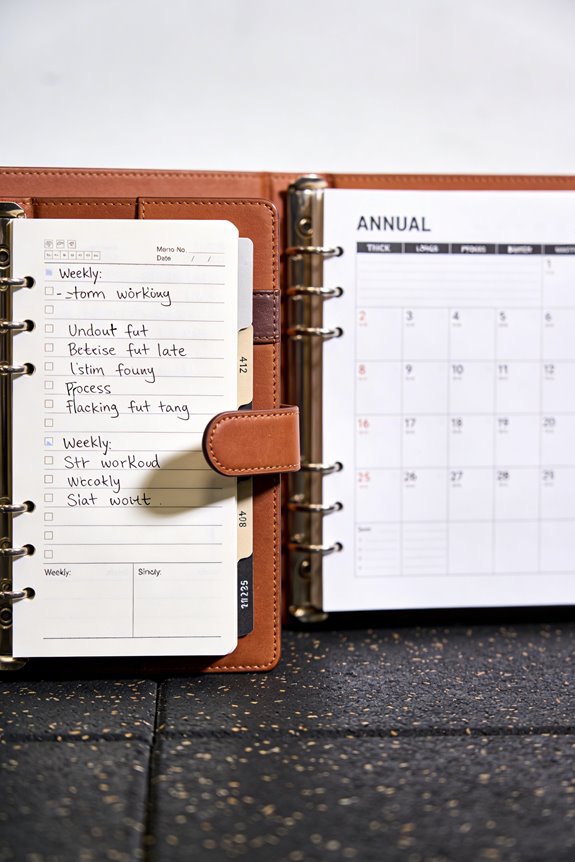
Jumping into a fitness journey can feel incredibly exciting, but is it as straightforward as it seems? Before you dive headfirst, it’s crucial to get a handle on the difference between short-term and long-term goals. Short-term goals are the stepping stones, usually wrapped up in two to eight weeks. These are the bite-sized achievements you can celebrate, like running for 20 minutes without your knees protesting.
Long-term goals, on the other hand, are a bit bigger and require a bit more patience. We’re talking about a year-long commitment to something significant, like training for a 10K race. So, how do you find the sweet spot? Balance is key—you want to mix both short and long-term goals to create a roadmap for yourself.
Here’s the trick: Check in on your progress every 4 to 6 weeks. This little routine helps you stay on track and make adjustments as needed. If something isn’t working, you can tweak it before too much time goes by. Consistency doesn’t just keep you moving; it also fuels your motivation.
In addition, incorporating relaxation techniques such as acupressure can enhance your recovery and overall fitness journey by promoting better circulation and pain relief through targeted pressure points.
So, why does this matter? It’s simple. Life can throw curveballs, and having both types of goals gives you the flexibility to adapt without losing sight of what you want to achieve. Remember, it’s all about managing your fitness journey while making sure you’re enjoying the process.
In short, find your balance between short-term wins and long-term aspirations. Now, what’s one personal fitness goal you can set right now?
Creating SMART Goals for Effective Planning
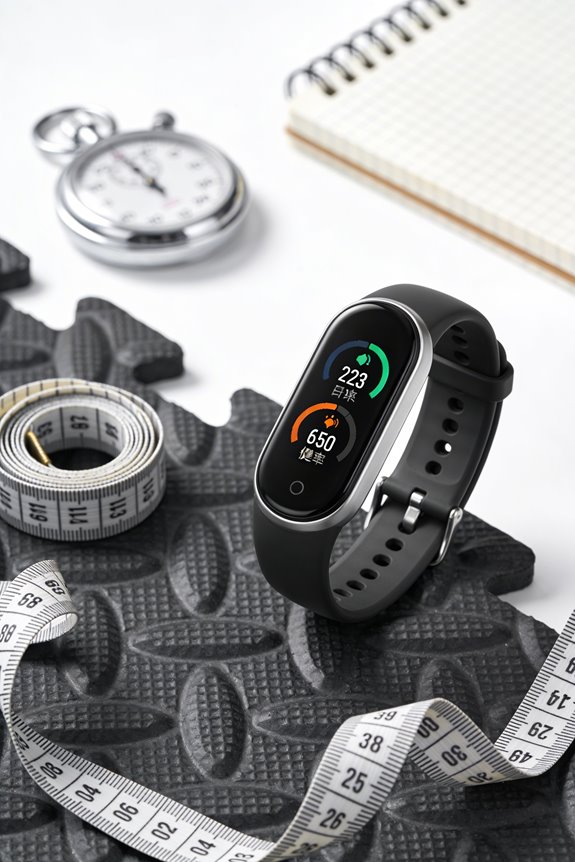
Are you struggling to find direction in your fitness journey? You’re definitely not alone. It’s easy to say “I want to get fit,” but without a solid plan, motivation can quickly fade. That’s where the SMART goal method comes in handy.
Setting goals doesn’t have to be overwhelming. The SMART framework—Specific, Measurable, Attainable, Relevant, and Time-bound—can really help. Instead of saying, “I want to run more,” think about something like, “I want to run 5 kilometers without stopping.” This kind of clarity keeps your focus sharp and your planning on point.
Now, let’s break this down a little more. Measurable goals are key to tracking your progress. For example, keep a record of your run times each week and watch how you improve. You want your goals to be realistic, too—make sure they’re achievable given where you’re starting from.
And let’s talk about deadlines. Setting a time frame—like completing a 10K race in six months—creates a sense of urgency. It’s amazing how much more motivated you’ll feel when there’s a countdown. So, why does this matter? Well, having clear deadlines keeps you accountable and helps you stick to your plan.
Incorporating performance technology in your fitness routine can boost comfort and motivation, making your journey more efficient and enjoyable.
Common Goal-Setting Mistakes to Avoid
Ever feel like your fitness goals just end up as distant dreams? You’re not alone. Many people trip over some common traps when they set these goals, and it can really get in the way of progress. One big mistake? Setting vague objectives like “getting in shape.” Instead, you need to create clear goals with specific outcomes so you can actually track your progress.
Another issue is going for unrealistic goals that only set you up for disappointment. Honestly, it’s crucial to set goals that are specific and time-bound. This adds a sense of urgency and keeps you accountable. Ever wondered why so many people lose steam after just a few weeks? It often comes down to not documenting progress. Keeping a record of your journey can help you stay motivated and focused.
Sometimes, life throws curveballs, right? If your circumstances change, don’t hesitate to adapt your plan and adjust those goals. If you can recognize these hurdles ahead of time, you can create a goal-setting approach that not only works but also supports your long-term success on this fitness journey. Incorporating the right workout gear, such as a high-quality unitard made from moisture-wicking fabrics, can also enhance your consistency and comfort during exercise.
Strategies for Staying Motivated and Tracking Progress
Staying motivated in your fitness journey can feel like a never-ending battle, right? It’s tough, but it’s key if you’re aiming for long-term success. One trick that really works is setting achievable goals and regularly tracking your progress. Keeping a fitness journal or using an app is a simple way to monitor your daily activities and hold yourself accountable.
Celebrate those small wins along the way. If you can acknowledge your progress, it really helps to boost your motivation for those bigger objectives. So, what’s your latest milestone? Even little achievements deserve a pat on the back!
Don’t forget the power of a support system. Having a workout buddy or being part of a fitness group can really make a difference. They help keep you on track and bring that extra energy when you’re just not feeling it.
If you ever find yourself stuck in a routine, consider working with a personal trainer. They can help you fine-tune your workouts and make sure your goals are still within reach. Honestly, it’s nice to have someone in your corner looking out for your best interest.
To sum it up, setting practical goals, tracking your progress, and finding support can make all the difference on your fitness journey. What strategies have worked for you?
Additionally, understanding how to optimize your material composition in workout gear can significantly enhance comfort and performance during exercise.
How to Adjust Your Goals Effectively
Setting ambitious fitness goals can feel exciting, but here’s the kicker: sticking to them isn’t always easy. Life changes, our abilities shift, and sometimes, we just need to adjust. That’s why it’s crucial to take a step back and reassess your goals every 4–6 weeks. This keeps them relevant and lets you adapt to any challenges that pop up along the way.
Think about breaking those big fitness goals into bite-sized milestones. Celebrating small victories keeps your motivation alive and kicking. Ask yourself, “How did I feel during my workouts this week?” Mixing numbers like weight or distance with your energy levels and enjoyment can make a world of difference in how you see your progress.
Here’s the trick: keep a fitness journal or use an app to track these changes. Reflecting on what’s working and what needs a little tweak can guide you towards longer-term success. Honestly, knowing your journey helps keep your eyes on the prize. It’s also important to consider factors like breathability and comfort to maintain your performance and motivation over time.
Why Is Professional Guidance Key to Reaching Your Goals?
How much more could you accomplish if you had the right professional guidance in your fitness journey? Working with certified trainers or experts means you’re not just following a generic workout plan—you get something tailor-made for you. This personalized touch not only ramps up your effectiveness but also keeps you safe while you work towards your goals.
Accountability is another big boost that comes with professional help. Ever notice how you’re more likely to stick to your goals when someone is rooting for you? When you have someone checking in on your progress, it’s way easier to stay motivated. Plus, getting regular evaluations helps you see where you shine and what areas could use a little TLC. From there, you can create targeted strategies to really hone in on those weaknesses.
So, what about knowledge? Having access to expert advice about exercise techniques and nutrition is invaluable. It can empower you to build lasting, healthy habits rather than just jumping on the latest trend. The best part is, regular check-ins give you opportunities to reassess goals and ensure you’re still aligned with your long-term aspirations.
Additionally, incorporating the right athletic gear that supports moisture-wicking technology can boost your workout comfort and performance, helping you stay focused on your fitness journey.
In short, professional guidance can make all the difference in optimizing your fitness results and keeping you on the right track. What’s your biggest hurdle in achieving your fitness goals?
How Celebrating Milestones Boosts Your Motivation
Have you ever felt like giving up on your fitness journey? We all hit those rough patches, but one thing that’s helped many people stay on track is celebrating their milestones. When you take a moment to recognize your achievements—like completing a tough workout or hitting a specific goal—it feels great. This sense of accomplishment isn’t just a nice feeling; it can actually motivate you to keep pushing forward.
Here’s the trick: acknowledging your progress plays a big role in your motivation. When you celebrate those small wins, your brain releases dopamine, which is essentially your body’s reward chemical. This boost in mood can make the idea of hitting the gym or sticking to your meal plan a lot more appealing.
So, how can you celebrate? Consider these simple ideas:
- Keep a journal of your achievements and reflect on how far you’ve come.
- Treat yourself to something you enjoy, whether it’s a favorite snack or a new workout outfit.
- Share your wins with friends or in fitness communities. Not only does this build accountability, but it also invites encouragement and support.
Honestly, the sense of community can be powerful. Surrounding yourself with others who understand your journey can provide the motivation you need to stay consistent. Plus, when you share your progress, you create a feedback loop that inspires both you and those around you to keep going.
Truth is, celebrating milestones is key to long-term success. Remember, it’s not just about the end goal—it’s about enjoying the journey and the progress you make along the way. So, why not make celebrating a regular part of your routine? You deserve it! Adding a fresh workout outfit made from moisture-wicking materials can be a great way to reward yourself and enhance your exercise experience.
Frequently Asked Questions
How Often Should I Reassess My Fitness Goals?
We should reassess our fitness goals monthly, keeping progress tracking intervals in mind. Regular evaluations at seasonal checkpoints help us adapt, maintain motivation, and reflect on personal growth, ensuring we update our long-term strategy effectively.
Can I Set Fitness Goals Without a Structured Plan?
Absolutely, we can set fitness goals without a structured plan. By utilizing goal visualization, tracking progress, and finding intrinsic motivation, we’ll cultivate flexible objectives and sustainable habits, making personal discipline and reward systems essential to our journey.
What Role Does Mindset Play in Goal Achievement?
Did you know 80% of people fail to achieve their goals due to mindset barriers? By embracing growth mindsets, practicing positive affirmations, and visualizing success, we build emotional resilience and overcome limiting beliefs together with self-compassion.
How Can I Share My Goals With Friends or Family?
We can share our goals by using goal sharing strategies like involving family in discussions, joining fitness challenges, creating motivational circles, and utilizing social media for progress updates and encouragement techniques. Open communication strengthens accountability partners!
What Are Some Signs My Goals Need Adjustment?
If our goals aren’t setting the world on fire, we might need to adjust! Signs include unrealistic expectations, lack of progress, decreased motivation, changing circumstances, or emotional well-being concerns. Let’s embrace accountability checks for clarity!


