
Yin Yoga focuses on holding poses for three to ten minutes, targeting deep connective tissues for improved flexibility and recovery. For active individuals, it balances intense workouts by promoting joint mobility and enhancing circulation. This gentle practice encourages mindfulness, reduces stress, and helps in emotional awareness, making it beneficial for mental well-being. By using props like bolsters and blocks, we guarantee comfort and proper alignment. If you’re curious about getting started, there’s more to take into account next.
Key Takeaways
- Yin Yoga promotes recovery by targeting deeper connective tissues, enhancing flexibility, and relieving muscle tension after intense physical activity.
- It supports joint mobility, which is crucial for active individuals, reducing the risk of injuries during their preferred sports or exercises.
- The long-held passive poses in Yin Yoga activate the parasympathetic nervous system, aiding in stress relief and mental clarity for better performance.
- Practicing Yin Yoga encourages mindfulness and emotional awareness, helping active individuals connect with their bodies and manage physical and emotional challenges.
- Utilizing props in Yin Yoga improves comfort and alignment, allowing athletes to engage in restorative practices without strain.
What Is Yin Yoga? An In-Depth Overview
Have you ever felt completely worn out, both in body and mind? If so, Yin Yoga might just be what you need. This style of yoga isn’t about flowing through poses at high speed. Instead, it takes a slower approach, where you hold poses for anywhere from 3 to 10 minutes. This isn’t just about the stretches; it reaches the deeper connective tissues like fascia, ligaments, and tendons.
Here’s the trick: by staying still in these poses, you’re not only stretching your body, but you’re also taking a moment to breathe and reflect. This can lead to a better understanding of your emotions and a reduction in stress. Plus, you might find that slowing down allows for a clearer mind and improved mental well-being.
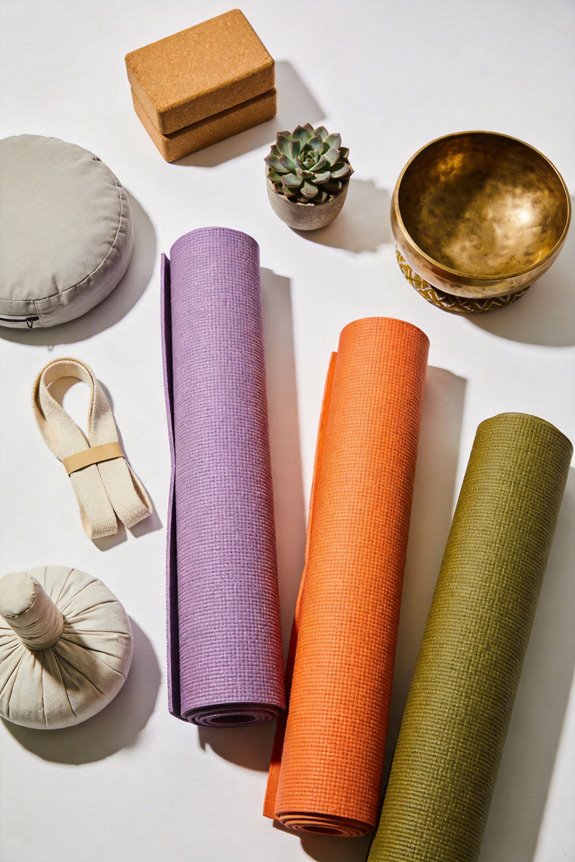
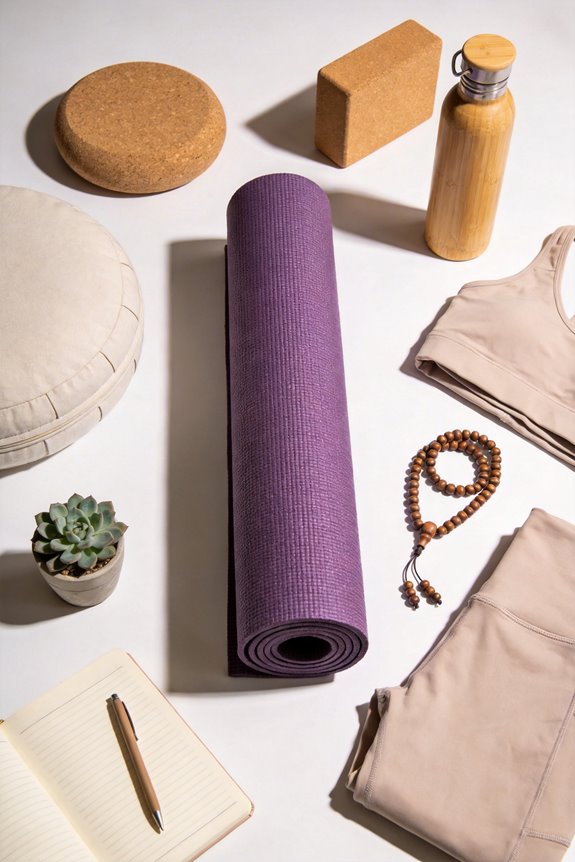
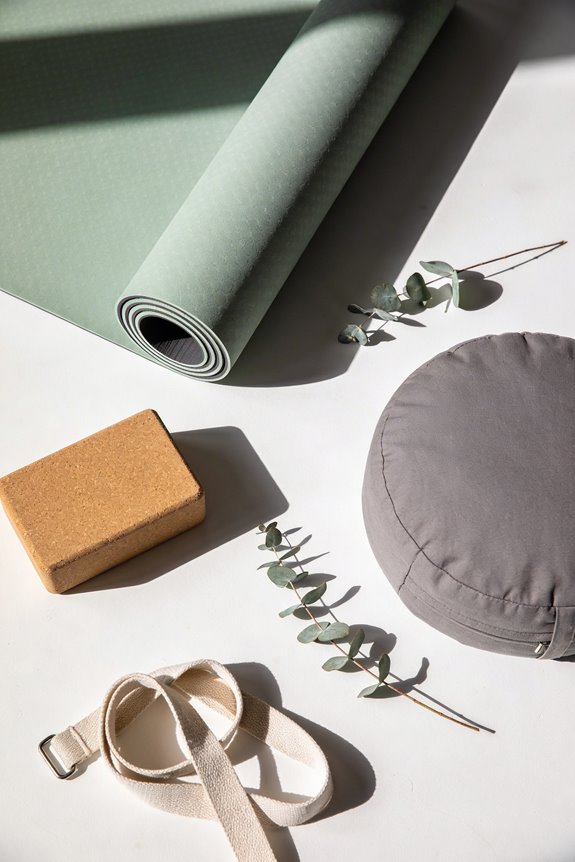
You might want to bring a few props into the mix, like bolsters and blocks. They’re really helpful in making sure you’re comfortable and aligned during those long holds. Trust me, supporting your body can make a world of difference, and it helps your body ease into each pose.
So, what can you expect from a Yin Yoga session? Some benefits include increased flexibility, better joint mobility, and overall body awareness. Think of it as a way to balance the faster-paced yoga styles you might already enjoy, giving you a deeper connection to yourself.
Honestly, if you’re feeling overwhelmed or out of sync, checking out Yin Yoga could be a great way to reconnect. Why not give it a shot? Let me know how it works for you! Additionally, practicing Yin Yoga in appropriate lightweight clothing can enhance comfort during longer sessions.
Key Differences Between Yin Yoga and Other Styles

Ever feel like you’re rushing through your yoga practice? You’re not alone. Many people bounce between quick, energetic styles like Vinyasa Flow but might miss out on the slower, deeper benefits of Yin Yoga. So, what exactly sets Yin apart from other styles?
In Yin Yoga, you hold poses for much longer—think anywhere from 3 to 10 minutes. This might sound daunting if you’re used to the fast-paced flow of traditional Yang styles. Instead of actively pushing your body through dynamic sequences, you sink into passive poses that help target deep connective tissues. That means you’re really digging into those harder-to-reach areas like ligaments and joints, allowing for a more profound stretch.
Here’s the trick: while you’re flowing from one pose to another in Vinyasa, Yin encourages you to pause and reflect. It’s less about muscle strength and external alignment, and more about feeling your boundaries comfortably. This can feel meditative and almost therapeutic; you’ll find yourself sitting with your thoughts, which can lead to surprising emotional releases.
Now, you might be thinking, “Isn’t that what Restorative Yoga does?” Truth is, while Restorative Yoga is all about relaxation and gentle stretches, Yin offers a balance of deep stretching and emotional work. You’ll likely walk away feeling more flexible—not just physically but mentally too.
If you’re looking for that sweet spot where relaxation meets deep stretching, give Yin Yoga a try. It’s like hitting pause in a busy world. So, which style resonates with you: the upbeat vibes of Yang or the calming embrace of Yin?
Incorporating breathable fabrics into your yoga wear can further enhance your comfort and mindfulness during these extended poses.
How Yin Yoga Supports Mental Health

Ever feel like life’s stresses get a bit overwhelming? You’re not alone. Practicing Yin Yoga can really help you find a way to better mental health, and it’s more about what you feel than just physical poses.
Yin Yoga is great at reducing stress because it encourages the parasympathetic nervous system to kick in, which helps you relax. While holding poses for longer periods, you get to focus on your breath, and that’s where the magic happens. It’s all about bringing in mindfulness. This practice lets you dig into your emotions, which can improve how you handle them over time.
Plus, there’s some solid science to back this up—regular practice can actually boost serotonin levels. In plain terms, that means improving your mood and easing symptoms of depression. Each session helps you find clarity and calm, and these are big wins for mental well-being.
So, why does this matter? Well, by sticking with Yin Yoga, you’re not just gaining flexibility or strength; you’re also equipping yourself with tools to deal with whatever life throws your way.
Incorporating practices that improve posture and spinal alignment can further enhance the calming effects of Yin Yoga.
Think of it this way: As you embrace these benefits, you create a healthier space for your mind to thrive amid chaos. Honestly, it’s worth giving it a try. How about stepping onto the mat and seeing how it feels for you?
How Yin Yoga Benefits Your Physical Health
Feeling tight and stiff after a long day of sitting? You’re not alone. Many of us struggle with that, and that’s where Yin Yoga can step in to help you feel more balanced and flexible.
One of the biggest perks of practicing Yin Yoga is how it boosts your joint mobility and flexibility. By focusing on those deep connective tissues—like fascia and ligaments—this practice really digs in where you need it. Holding poses for about 3 to 5 minutes allows your muscles to relax and promotes mindfulness, which can help lower your stress levels.
Here’s the trick: when you participate regularly, you’ll notice an improvement in circulation. This means better nutrient distribution throughout your body and a reduction in tension, especially for those of us living a sedentary lifestyle. Honestly, incorporating Yin Yoga into your routine can really address that discomfort you might feel from being inactive too long.
But that’s not all. This practice helps you increase your range of motion, which is a nice bonus if you’re also involved in higher-intensity workouts. And if you’ve ever dealt with an injury, Yin Yoga can play a role in both recovery and prevention. The gentle stretching encourages you to be aware of your body’s limits, which is so important for avoiding future injuries.
By choosing the right workout gear, including breathable and comfortable apparel, you can enhance your Yin Yoga experience and overall physical health.
So, why does this matter? Because investing time in your physical health through practices like Yin Yoga can enhance your overall well-being. If you’re looking to feel more energized and aligned, this might just be what you need to add to your life.
In short, making Yin Yoga a part of your routine can significantly benefit your physical health. Why not give it a try and see how you feel?
What to Expect in Your First Yin Yoga Class: A Complete Guide
Yin Yoga can be a unique experience, especially if you’re stepping into your first class. You might be wondering what to expect, right? Well, get ready to dive into passive (yin) poses that you’ll hold for anywhere from 3 to 10 minutes. This is all about encouraging deep stretches in your connective tissues, which can feel both challenging and rewarding.
Classes usually run for about 60 to 90 minutes, and often kick off with setting an intention. It’s a nice way to get your mind focused on what you’re about to do. Instructors often set up a cozy environment with props like bolsters and blocks to help you find comfort in each pose. No need to worry if some poses seem tough; those props make a world of difference!
You’ll likely encounter some classic beginner poses like Child’s Pose, Pigeon Pose, and Sphinx Pose. These focus on areas such as your hips and lower back, helping to ease tension. So, why does this matter? Well, embracing the restorative nature of Yin Yoga can really change your outlook on relaxation.
As you roll out your mat, remember to listen to your body. Everyone’s journey in yoga is unique, so take it at your own pace. Truth is, whether you’re just looking to stretch, relax, or restore your energy, you might find that Yin Yoga offers some surprising benefits. Maintaining comfort during poses can be enhanced by using moisture-wicking fabrics, which help regulate temperature and keep sweat away.
Key Yin Yoga Poses for Beginners
Are you feeling a bit stiff and overwhelmed as a beginner in Yin Yoga? You’re definitely not alone. Understanding a few key poses can really make a difference in your practice.
Let’s dive into some fundamental positions you should consider:
- Child’s Pose: This one’s a classic. It gently stretches your back and hips, making it a perfect way to unwind.
- Butterfly Pose: If you’re looking to open up those tight hips, this pose is right up your alley. It encourages relaxation in the groin area—who doesn’t need that?
- Sphinx Pose: Think of this as a gentle spine stretch. It’s accessible for newbies, and you’ll feel great afterward.
- Pigeon Pose: This one really targets the hips and glutes. It promotes flexibility and can help relieve tension. Feel free to modify this one for comfort—you do you!
- Caterpillar Pose: Get ready for a deep forward fold that works wonders on your spine and hamstrings.
Typically, you’ll want to hold each of these poses for about 3 to 5 minutes. Yes, that sounds like a long time, but here’s the trick: deep breathing during these holds encourages a wonderful sense of relaxation for both your body and mind.
Incorporating acupressure mats into your post-yoga routine can further enhance relaxation and aid muscle recovery.
So, why does this matter? Because your journey in Yin Yoga is all about finding what feels good for you and building a practice that supports your needs.
As you get started, remember to listen to your body and take it one pose at a time. You’ve got this, and I can’t wait to hear how your practice evolves! What’s the first pose you’re excited to try?
Maximize Your Yin Yoga Practice: Essential Tips
What’s the secret to really getting the most out of your Yin Yoga practice? It can often feel like a struggle to find that sweet spot where comfort meets effectiveness. Here are some simple tips to elevate your experience.
First off, when you find yourself in a pose, hold it for anywhere between 3 to 10 minutes. This may sound long, but trust me, it allows for some deep stretching that really helps to improve flexibility in those connective tissues. If you’ve ever wondered why some poses feel better than others, it’s all about listening to your body. Don’t compare yourself to friends or other yogis; what matters is how your own body feels in each moment.
Using props can really change your game. Bolsters, blocks, and blankets provide support and enhance your comfort. Think of them as your best buddies during this practice. Ever find yourself feeling a little stiff or unable to fully relax? That’s where these props come in handy!
Breathing consciously makes a notable difference, too. Focus on your breath; it encourages relaxation and can help keep your mind present, which is super important for emotional balance. And let’s be real, who doesn’t want to feel calm and centered?
When trying out new poses, consider reaching out to a qualified instructor for guidance. It makes your practice safer and more fulfilling. After all, it’s always nice to know you’re doing something right, isn’t it?
In short, remember to hold your poses, embrace props, breathe mindfully, and seek guidance when needed. Supporting your practice with comfortable, durable gear can also enhance your overall experience. What’s one tip here will you try in your next Yin Yoga session?
Avoid These Common Yin Yoga Mistakes to Enhance Your Practice
Ever found yourself feeling frustrated in your Yin Yoga practice? You’re not alone. Many of us make some common mistakes that end up slowing our progress. Let’s dive into what to look out for.
One big mistake is rushing through those poses. It’s tempting to get it over with, but the magic happens when you hold each pose for 3 to 5 minutes. This isn’t just about stretching; it’s about settling in and really feeling the sensations in your body. Comfort matters more than spot-on alignment, so let your body guide you.
When you’re new to Yin Yoga, you might find yourself fidgeting. It’s natural to feel some discomfort, but here’s the trick: give yourself permission to be still. This stillness is where the relaxation kicks in, and you’ll start to notice the benefits.
Props like bolsters or blocks can really elevate your practice. Neglecting them can limit how deeply you can go into a stretch. Support your body and enhance your comfort—it makes a world of difference.
And let’s talk about comparing yourself to others. Honestly, why do we do this? Each of us has our own range of motion and set of feelings during poses. Focus on your own experience rather than what those around you are doing.
To recap, holding poses longer, embracing stillness, using props, and staying focused on your own journey can really enhance your Yin Yoga practice. Also, maintaining comfort with customizable fit in clothing can help you stay relaxed during your sessions.
What’s one change you’re willing to make in your next class?
Is Yin Yoga Right for You? Understanding Suitability for Individuals?
Are you curious if Yin Yoga could be a good fit for you? If you’ve been looking for a way to increase your flexibility and mobility, Yin Yoga might be worth trying. It’s accessible for everyone, including beginners, and focuses on passive stretches that really get into the deep tissues.
Athletes might find it particularly helpful for recovery, as it targets those hard-to-reach areas and helps improve overall flexibility. But it’s not just for the sporty type. If you’re dealing with chronic pain or high stress levels, this practice can provide a soothing escape and boost your emotional health. So, why does this matter? Well, it’s a great way to practice mindfulness by encouraging slower movements and longer holds in each pose.
Wearing moisture-wicking leggings during your practice can enhance comfort by keeping you cool and dry throughout your session.
Before diving in, keep your health in mind. If you have specific concerns, like osteoporosis or you’re in advanced pregnancy, it’s best to have a chat with your healthcare provider first.
What’s nice about Yin Yoga is its ability to fit into any active person’s routine. It’s a gentle approach to movement, making it a sweet addition to your self-care plan. So, give it a thought—could this be the calming practice you’ve been searching for?
Precautions: Who Should Avoid Yin Yoga?
When thinking about stepping into Yin Yoga, it’s vital to know that this isn’t for everyone. If you’ve got osteoporosis, it’s best to stay clear of poses that stress the spine. These positions could increase your chances of fractures, and that’s not something anyone wants to deal with.
Pregnant women, especially in their third trimester, need to approach Yin Yoga with caution. Hormonal changes can boost joint flexibility, and that might lead to overstretching. You really don’t want to risk injuring yourself, especially when you’re expecting.
Now, if you’re someone who’s hypermobile, those deep stretches can feel tempting, but they might make your joints unstable. Think about it: you want to find balance, not push limits. Chronic pain? Always chat with a healthcare provider first. They can help figure out if this practice really suits your needs.
And let’s not forget about emotional health. If you’ve experienced severe trauma, Yin Yoga might bring up some tough feelings. So, why does this matter? Because you want your yoga practice to feel safe and supportive, not overwhelming.
To wrap it up, always listen to your body and consult with professionals if you fall into any of these categories. Trust your instincts: your yoga journey should be uplifting, not stressful. Have you thought about how your physical or emotional state influences your choice of yoga styles? Maintaining proper comfort and protection during your practice, much like the importance of selecting the right base layer insulation in winter, supports overall wellbeing.
Frequently Asked Questions
How Often Should I Practice Yin Yoga for Best Results?
We recommend practicing Yin Yoga 2-3 times weekly for ideal results, considering personal goals and lifestyle factors. Listening to your body, consulting an instructor, and maintaining consistency with session types can enhance our recovery and self-awareness.
Can I Combine Yin Yoga With Other Workout Routines?
Absolutely, we can integrate yin yoga with strength training and cardio workouts. This holistic approach enhances flexibility, aids recovery, and supports injury prevention, creating a balance that promotes mindfulness and fitness synergy in our routines.
What Should I Wear to a Yin Yoga Class?
We should wear comfortable clothing, like stretchy leggings and loose-fitting tops. Moisture-wicking fabric is great too. Let’s consider layered outfits, warm socks, and a supportive sports bra. Don’t forget our nonslip mat and yoga accessories based on personal preferences!
Is Meditation Part of a Typical Yin Yoga Practice?
Absolutely, meditation’s a key part of our yin yoga practice. It enhances mental clarity, fosters breath awareness, and promotes deep relaxation, fostering emotional release and spiritual growth while nurturing our body connection and inner stillness.
How Do I Choose the Right Props for Yin Yoga?
Choosing the right props involves considering our practice level. For beginners, essential props like blocks and cushions are great. We can explore advanced props and alternatives, evaluating their sizes, materials, placements, and benefits for our comfort.