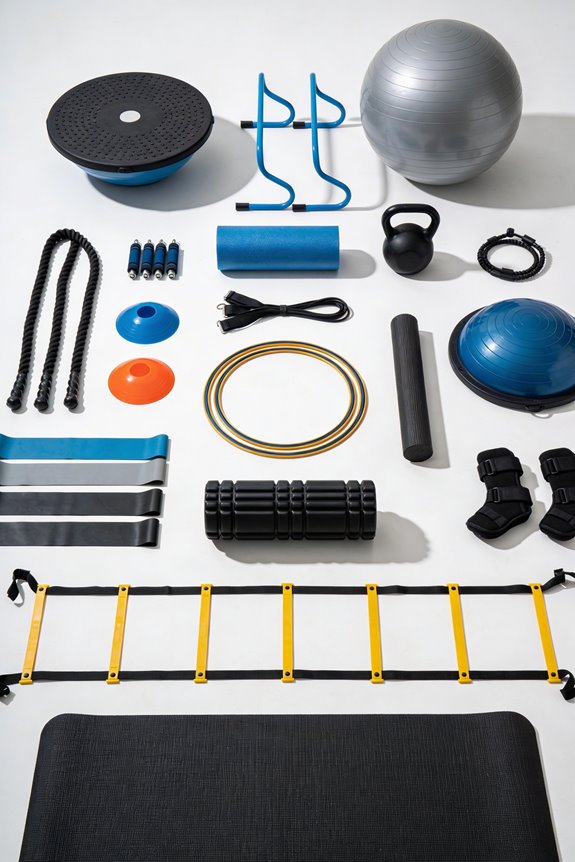

Mitochondria are essential for our endurance performance—they convert carbohydrates and fats into ATP, the main fuel for muscle contractions. With higher mitochondrial density, we can produce more ATP, improve our fat-burning capabilities, and utilize oxygen efficiently. This reduces fatigue, as well as lactic acid buildup. Endurance training increases mitochondrial biogenesis, while high-intensity interval training (HIIT) enhances mitochondrial function. Our nutritional choices, like protein and vitamins, also support this energy production process. There’s much more detail to explore on this topic.
Key Takeaways
- Mitochondria are essential for converting carbohydrates and fats into ATP, the primary energy source for muscle contractions during endurance exercises.
- Higher mitochondrial density enhances ATP production and improves fat burning, contributing to better endurance performance and reduced fatigue.
- Endurance training stimulates mitochondrial biogenesis, boosting energy capacity and promoting overall endurance improvements.
- Nutritional support, including BCAAs and key vitamins, is crucial for optimal mitochondrial function and energy output during endurance activities.
- HIIT workouts enhance mitochondrial efficiency and function, which are vital for sustained performance during prolonged aerobic activities.
What Do Mitochondria Actually Do for Energy Production?
What Do Mitochondria Actually Do for Energy Production?
Have you ever wondered how your body generates energy during exercise? Mitochondria are at the heart of this process. These tiny powerhouses convert carbohydrates and fats into adenosine triphosphate (ATP) using a method called aerobic respiration. Essentially, they break down glucose into pyruvate and NADH, producing ATP during the Krebs Cycle inside them. This is crucial when you’re pushing through a long run or a tough workout, as it provides the energy needed for muscle contractions.
So, why does this matter? Good mitochondrial function can really help you fend off fatigue. It boosts fat burning, which means your body can tap into fat stores for energy while keeping your glycogen levels intact. This is especially important during endurance activities. Feeling tired too soon can really put a damper on your workout, and efficient mitochondria are your best friends in combating that.
Try this: Focus on activities that can improve your mitochondrial health. Regular endurance training, a balanced diet rich in healthy fats, and getting enough sleep can make a big difference. The best part is, by caring for your mitochondria, you can enhance your performance and meet your body’s energy needs during those longer sessions. It’s all about creating a sustainable approach to your fitness. Incorporating agility ladder training can complement your endurance workouts by enhancing balance, speed, and coordination.
How Mitochondrial Density Affects Endurance Performance

When it comes to tackling endurance performance, have you ever wondered why some athletes seem to go on forever while others hit a wall? Mitochondrial density is a key player in this mix. Basically, more mitochondria in your muscles means you can produce energy more efficiently through ATP during aerobic activities. This isn’t just some science jargon; it translates directly into your ability to maintain energy during long workouts.
Think about it: With greater mitochondrial density, your body gets better at burning fat for fuel instead of relying solely on glycogen. This is crucial when you’re pushing through those long, grueling sessions. Research backs this up, showing that a higher mitochondrial volume ties directly to improved oxygen use and even boosts your VO2 max—an important factor for anyone serious about endurance.
So, why does this matter? Well, those with denser mitochondria also deal with less fatigue, thanks to lower levels of lactic acid in the muscles. If you want to amp up your mitochondrial density, consider incorporating high-intensity interval training or steady-state endurance exercises into your routine. These types of workouts can enhance your aerobic capacity and whip your overall performance into shape.
Want to make it work for you? Here’s the trick: Mix in some intervals during your next run or bike ride. It doesn’t have to be anything too crazy; just challenge yourself a bit. Truth is, even small increases in intensity can make a difference over time. Additionally, using lightweight materials in your athletic gear can help maintain comfort and ease of movement during prolonged activities.
How ATP Fuels Muscle Contraction and Fights Fatigue

Have you ever pushed yourself through a tough workout only to feel that dreaded fatigue creeping in? It’s a common struggle, and it often comes down to one thing: ATP, or adenosine triphosphate. This little molecule is your muscles’ main energy source, and it’s what makes them contract during movement. When you’re working out, ATP allows your muscle fibers to pull together, powering every step and lift.
So, where does all that ATP come from? Well, it’s produced by mitochondria in your cells through aerobic respiration. They take glucose and turn it into pyruvate in a process called the Krebs Cycle. The more ATP you can produce, the better your endurance and performance. But when you’re exercising for a long time and those ATP levels start to dip, fatigue can hit hard—sometimes called “bonking.”
Higher mitochondrial density plays a key role here. Why does that matter? It means your body can convert both glucose and fat into ATP more efficiently, plus it helps keep lactic acid build-up at bay. This enhanced efficiency allows you to maintain higher intensity during your workouts for longer periods. You’ll want to make sure you’re supplying your body with enough oxygen too, as it’s crucial for maximizing ATP production when you’re putting in the effort.
In addition to cellular factors, incorporating strength training tools like resistance bands into your routine can help improve muscular endurance and overall workout performance.
Feeling overwhelmed by all the info? Here’s the trick: focus on improving your aerobic capacity through consistent training. You’ll not only boost those mitochondria, but you’ll also help your muscles stick with it when the going gets tough.
In short, boosting your ATP production can really make a difference in your workout experience. So, what’s your next move to keep fatigue at bay?
Stimulating Mitochondrial Biogenesis Through Endurance Training
Ever wonder why some people seem to have endless energy while doing endurance sports? It’s all about boosting mitochondrial density in your muscles, which plays a huge role in how well you perform. When you hit the pavement for a long run or hop on a bike for a lengthy ride, your body kicks into gear and activates key pathways like AMPK and PGC-1α. These pathways are essential for spurring mitochondrial biogenesis.
Now, here’s the trick: training at your VO2 max can take your workouts to the next level. Aim for 75-93% of your 400m swim pace or 120% of your lactate threshold when cycling. These specific targets are where you’ll see exceptional improvements. But don’t forget about High-Intensity Interval Training (HIIT). Studies show just seven weeks of HIIT can lead to a noticeable increase in succinate dehydrogenase activity, which is fantastic for your muscles.
Recovery is equally important, and this is where many overlook a crucial piece. After those HIIT workouts, make sure you take at least one rest day. This not only aids mitochondrial adaptations but also helps fend off oxidative stress. You want to make the most of your training, right?
In short, focus on hitting those specific training zones, spice it up with HIIT, and don’t skimp on recovery. For the best experience during your workouts, wearing a high-impact sports bra can provide essential support and comfort. What’s one endurance activity you’re excited to try incorporating these tips into?
Enhancing Mitochondrial Function With High-Intensity Interval Training (HIIT)
High-Intensity Interval Training (HIIT) is a fantastic way to boost mitochondrial function, which is crucial for anyone looking to improve their endurance. It’s amazing how just a few intense bursts of activity can kickstart mitochondrial biogenesis, ramping up the activity of oxidative enzymes right in our muscle cells.
So, what do you need to do? Aim to hit your VO2 max levels during those intervals, typically between 75% to 93% of your peak effort. This intensity is where the magic happens. However, after pushing yourself hard, don’t forget to take a breather. You’ll want to include at least one rest day in your schedule to let your body recover and adapt.
When you’re training, remember that good form is key. If you start to lose your technique because you’re tired, it’s better to pause and reset than risk injury. You’ve got to listen to your body. Honestly, incorporating HIIT into your workouts can help you shake off fatigue and boost your aerobic energy for better endurance.
The best part is, it doesn’t have to take long! A few focused sessions each week can lead to big improvements. Additionally, wearing compression tank tops during exercise can improve muscle support and reduce fatigue, helping you maintain your performance during intense training sessions.
Have you tried mixing things up with HIIT yet? It might just be what you need to take your fitness to the next level.
Key Nutritional Choices to Support Mitochondrial Health
When it comes to keeping your mitochondria happy and healthy, the right foods can really make a difference in how you feel and perform. Have you ever noticed how some days you just seem to have endless energy, while other days feel like you’re dragging? It might be time to pay attention to what you’re eating.
Try incorporating branched-chain amino acids (BCAAs) into your diet. Foods like chicken, fish, and beans are prime sources that can pump up your ATP production and keep those energy levels up. And don’t forget about fruits and veggies—they’re not just for salads! These antioxidant-rich options help fight off oxidative stress that can wear you down.
Here’s the trick: make sure you’re getting enough key vitamins and minerals too. Micronutrients like iron and B-vitamins support the enzymes that keep your mitochondria running smoothly. And those electrolytes? They’re essential. Calcium, potassium, and magnesium are crucial for keeping your energy output at its peak, especially when you’re pushing yourself during workouts.
For optimal energy and recovery, wearing breathable athletic pants can help regulate body temperature and improve comfort during exercise.
So, why does this matter? Because your body needs these nutrients to thrive and recover, allowing you to feel your best whether you’re on a run or just going about your day.
In short, balancing your diet with the right nutrients can greatly support your mitochondrial health. What choices are you making today that could help fuel your body better?
What Is the Role of Oxygen Supply in Mitochondrial Performance?
Have you ever noticed how your energy levels drop during a workout? It might not just be fatigue; it often boils down to one thing: oxygen. This little molecule plays a huge role in how well our mitochondria perform because it’s vital for aerobic respiration. When you’re pushing yourself to the limit, your muscles crave ATP—the energy your body generates inside those tiny powerhouses called mitochondria.
When you have a solid supply of oxygen, your body becomes a well-oiled machine. ATP production kicks into high gear, helping you turn carbs and fats into usable energy more effectively. During those tough moments in your workout, as your heart rate increases, your body gets better at delivering oxygen to your muscles, which in turn helps to convert glucose into ATP more efficiently. So, why does this matter? Because when oxygen levels are low, that’s when trouble starts. You might feel that lactic acid buildup creeping in, leading to muscle fatigue and cutting your endurance short.
Here’s the trick: consider focusing on your oxygen supply during training. Engaging in targeted exercises like zone 2 training can boost mitochondrial biogenesis. This means you’re building more mitochondria over time, which ultimately enhances your endurance capacity and overall performance. Additionally, using moisture-wicking fabrics during workouts helps maintain comfort and temperature regulation, supporting sustained physical activity and optimal mitochondrial function.
What Is Electrolyte Balance for Mitochondrial Health?
Have you ever felt wiped out during a workout, like your body just couldn’t keep going? It could be a sign that your electrolytes are off balance. Keeping those levels in check is super important for your mitochondrial health, especially when you’re pushing through endurance activities.
Calcium, potassium, and magnesium are the main players here. These electrolytes support your muscles when they contract and relax, which is crucial for endurance performance. If these levels dip too low, you might find yourself cramping up or feeling fatigued, and that can seriously affect your ATP production—the energy currency of your cells.
Here’s the trick: stay hydrated. Proper hydration not only helps keep oxidative stress at bay but also boosts your cellular function. When you’re well-hydrated, your mitochondria can perform their best, making sure you have the energy you need to power through any challenges. Plus, maintaining your electrolyte balance can improve glucose metabolism, which is key for generating energy during workouts.
Don’t forget to track your electrolyte intake. It’ll help you keep up your performance and look out for your mitochondrial health too. So, what’s holding you back from paying attention to your electrolytes? Taking small steps to monitor them might just help you feel a whole lot better during those tough workouts. Wearing moisture-wicking base layers can also aid in maintaining hydration and overall endurance during exercise.
Strategies to Boost Mitochondrial Efficiency and Recovery
Ever notice how you can feel drained after a tough workout? You’re not alone! Boosting your mitochondrial efficiency and recovery is a smart strategy, especially since we all know how crucial electrolyte balance is for endurance performance. Endurance exercise is fantastic for promoting mitochondrial biogenesis, which in turn ramps up ATP production and enhances stamina.
Want to seriously up your game? Try incorporating high-intensity interval training (HIIT). It’s been shown that just seven weeks of HIIT can lead to a whopping 65% increase in succinate dehydrogenase levels. That’s a significant boost to your mitochondrial efficiency! But don’t stop there; paying attention to your protein intake is also key. Aim for 0.8 to 1 gram per pound of lean body weight. This helps stimulate mitochondrial biogenesis and supports muscle recovery, which is crucial after those intense sessions.
And let’s not forget the basics—adequate hydration and a balanced diet rich in antioxidants play a vital role too. Both are essential for peak energy production during your workouts and effective recovery. Wearing appropriate cold weather gear with moisture-wicking properties can also help maintain comfort and performance in challenging conditions. So, why does this matter? Because supporting your body’s energy systems helps you perform better and recover faster.
The best part is, you don’t have to overcomplicate things. Just focus on these key areas, and you’ll start to notice improvements in not just your workout performance but your overall energy levels. Are you ready to take your fitness to the next level?
Frequently Asked Questions
How Do Genetics Influence an Individual’s Mitochondrial Function?
Genetic variations greatly influence mitochondrial function, affecting mitochondrial biogenesis and oxidative capacity. Hereditary factors shape our endurance genes, energy metabolism, and muscle fibers, ultimately determining our athletic potential and exercise adaptation, essential for performance genetics.
Can Age Affect Mitochondrial Performance in Athletes?
Aging athletes can experience mitochondrial decline, impacting performance longevity. Yet, with training adaptations, nutritional interventions, and proper recovery practices, we can counteract hormonal changes and promote cellular repair, enhancing our potential despite genetic predisposition.
What Role Do Antioxidants Play in Mitochondrial Health?
Antioxidants play an essential role in maintaining mitochondrial health by reducing oxidative stress, enhancing mitochondrial biogenesis, and supporting cellular respiration. We should consider antioxidant sources and nutrient supplementation for inflammation reduction and performance enhancement during exercise recovery.
How Does Hydration Impact Mitochondrial Efficiency During Exercise?
Isn’t it funny how we think we can perform at our best without proper hydration? Maintaining our hydration levels and electrolyte balance guarantees cellular respiration thrives, enhancing recovery and performance during endurance training while avoiding dehydration consequences.
What Are Common Mitochondrial Diseases Affecting Endurance Athletes?
Common mitochondrial diseases affecting endurance athletes include mitochondrial myopathy, Leber’s optic neuropathy, and Kearns-Sayre syndrome. These conditions cause exercise intolerance, muscle weakness, and fatigue syndrome due to genetic mutations impacting energy metabolism and mitochondrial DNA.