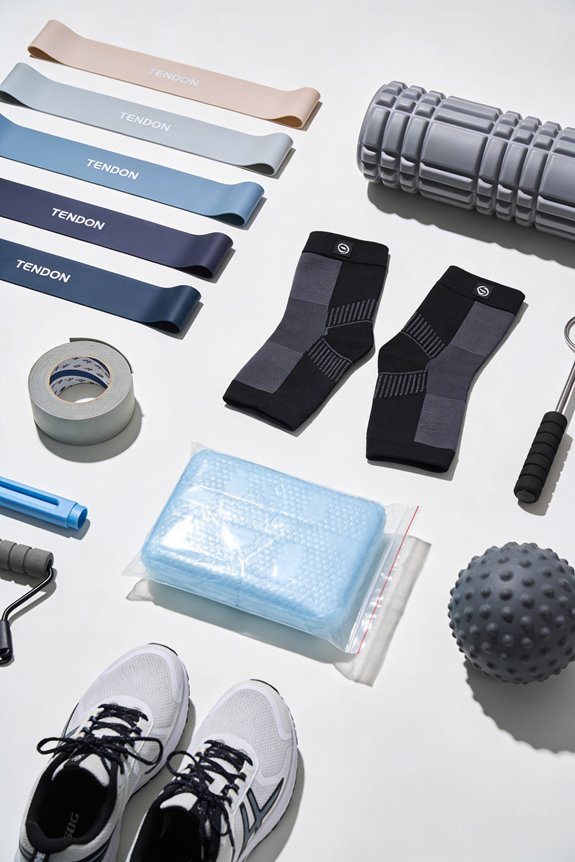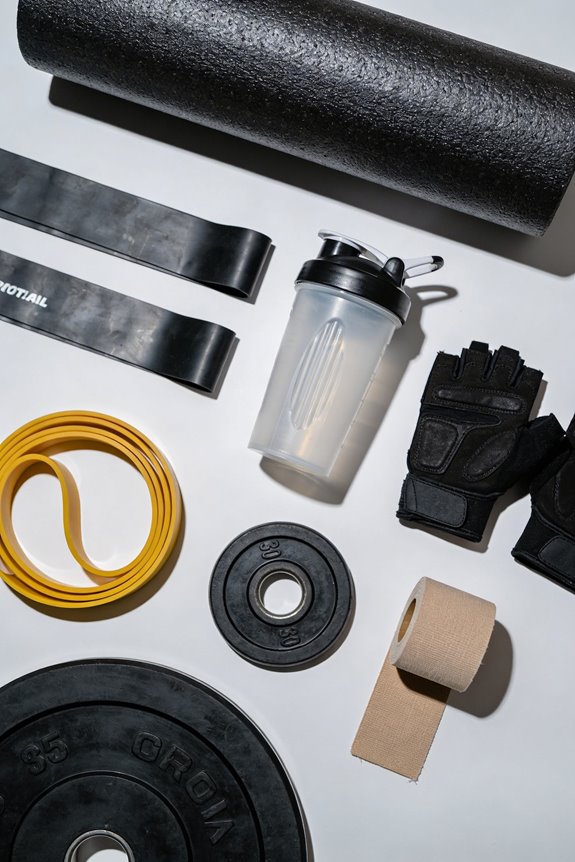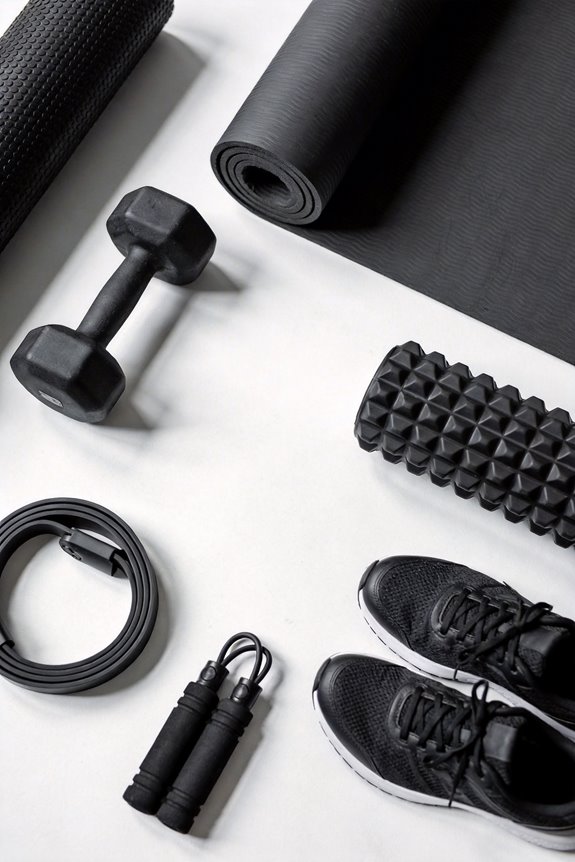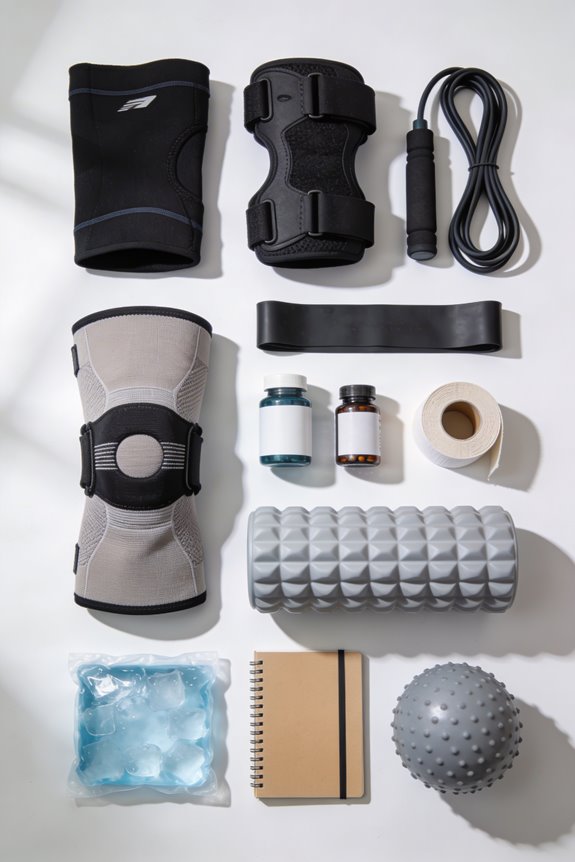

Understanding joint health is essential for athletes seeking long-term performance. Prioritizing joint care helps prevent injuries and maintain mobility. Regular exercises, like low-impact aerobics and strength training, build muscles around joints. A nutritious diet rich in omega-3s, calcium, and vitamin D supports strong joints. Staying hydrated keeps joints lubricated, while proper sleep aids recovery. Recognizing signs of joint issues early is important. We’ll go on to explore fundamental strategies to guarantee your joints stay healthy and resilient.
Key Takeaways
- Prioritizing joint health prevents musculoskeletal injuries, which account for 80% of sports-related injuries, allowing athletes to maintain consistent training.
- Regular low-impact exercise, such as swimming or cycling, enhances synovial fluid production, ensuring optimal joint lubrication and functionality.
- An anti-inflammatory diet rich in omega-3s, calcium, and vitamin D supports joint function and reduces pain, contributing to long-term athletic performance.
- Staying hydrated is crucial for joint lubrication and nutrient transport, alleviating stiffness and supporting recovery after training or injury.
- Listening to the body and seeking medical advice for persistent pain or swelling are essential for preventing serious joint conditions like osteoarthritis.
Why Prioritizing Joint Health Is Key for Athletes
Have you ever thought about how much your joints impact your athletic performance? It’s easy to overlook them, but joint health is crucial for preventing injuries, especially since musculoskeletal injuries account for a staggering 80% of sports-related injuries. You don’t want to be sidelined because of something that can often be managed with the right care.
So, how can you keep your joints in top shape? Regular exercise is key, and don’t shy away from low-impact activities like swimming or cycling. These types of workouts boost the production of synovial fluid, which is essential for lubricating your joints. That means better movement and less wear and tear over time.
Nutrition also plays a big role. You might want to focus on getting enough omega-3 fatty acids, vitamin D, and calcium into your diet. These nutrients support joint health and help in reducing inflammation, which can speed up recovery after a tough workout.
Weight management is another piece of the puzzle. Maintaining a healthy weight can significantly lessen the stress on your weight-bearing joints. For instance, if you lose one pound, you can reduce four pounds of pressure on your knees. That’s a big difference!
Honestly, if you start caring for your joints now, you could prevent long-term issues down the road. It’s about being proactive; early intervention is key to staying in the game longer and performing at your best. Additionally, wearing compression shorts can support muscle stability and reduce joint stress during physical activity.
Common Joint Issues and Their Impact on Performance
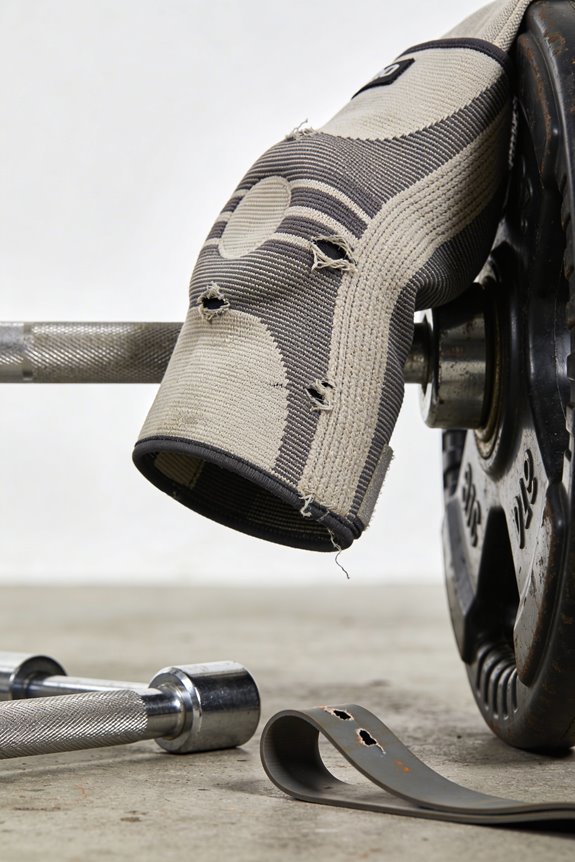
Have you ever felt that nagging pain in your joints after a long workout? You’re not alone. Joint issues can crop up from doing the same activities over and over or even from pushing yourself too hard. They’re a real buzzkill for athletes. Common problems like tendinitis and osteoarthritis don’t just cause discomfort; they can mess with your training schedule and overall performance.
The scary part? If you’ve had a serious joint injury, you’re six times more likely to end up with osteoarthritis down the line. This isn’t just a temporary set back—it could really limit your mobility as you get older. Musculoskeletal injuries make up a hefty 80% of athletic injuries, which is why taking care of your joints is so crucial.
So, how can you keep your joints in good shape? Here are a few things to consider:
- Listen to your body. If something feels off, don’t ignore it.
- Incorporate rest days into your routine. Your body needs time to recover.
- Focus on warming up and cooling down properly to ease into and out of your workouts.
Truth is, repetitive stress can really take a toll on our joints, but there’s a lot we can do about it. Paying attention to your joint health not only helps you stay active now, but it can safeguard your future in sports. Plus, investing just a little time and effort into caring for your joints today can make a world of difference down the road. Choosing the right gear, like a base layer with effective moisture-wicking capabilities, can also support your comfort and performance during activities.
Daily Exercises to Strengthen Your Joints

Taking care of your joints isn’t just about resting when they feel sore; it’s also about actively working to keep them strong and healthy every day. Have you thought about how daily exercise can make a difference? Low-impact aerobics, like swimming or cycling, are great options. They not only boost your heart health but also keep stress off your joints, making it easier to stay active without discomfort.
Strength training might seem intimidating, but the reality is that it can significantly help build the muscles that support your joints. You can use weights or resistance bands at home—it’s not as complicated as it sounds. Plus, those extra muscles can play a big role in preventing injuries down the road. Don’t overlook flexibility, either! Daily stretching and yoga can really improve your joint range of motion, which is crucial for staying agile.
Here’s the trick: engage in targeted exercises for specific joints like your knees and shoulders. These moves can help enhance mobility and keep you moving freely. Remember, caring for your joints is a daily commitment, but the benefits are worth it.
It might feel like a lot to take in, but the best part is that incorporating these exercises into your routine doesn’t have to be overwhelming. Start small and gradually build up. You’ll be doing yourself a favor for your long-term health and performance. So, why not give it a try? Could there be a better time than now to prioritize your joint health?
Nutritional Strategies for Supporting Joint Health
Do you ever find yourself dealing with joint pain or discomfort? It can be frustrating, especially when you want to stay active and enjoy life. One of the best ways to support your joints is through nutrition. Focusing on an anti-inflammatory diet is a solid start, and it doesn’t have to be complicated.
Try incorporating a variety of colorful fruits and vegetables into your meals. They’re not only packed with vitamins but also antioxidants that can help reduce inflammation. Whole grains are another great addition to your diet. They provide fiber and nutrients that promote overall health, which can ultimately keep your joints feeling better.
Don’t forget about omega-3 fatty acids. You can find these in fatty fish like salmon or in plant-based options like flaxseeds. These healthy fats can really help ease joint pain and stiffness. So, make sure you’re getting enough of them in your diet.
Another key player in joint health is calcium and vitamin D. These nutrients play a significant role in keeping your bones strong, which is crucial for joint support. Dairy products, including yogurt and cheese, are great sources, but if you’re dairy-free, look for fortified plant milks.
Staying hydrated is also super important. Water helps keep synovial fluid around your joints, which is essential for proper lubrication during any physical activity. How often do you think about drinking enough water throughout the day?
And let’s be honest, keeping your weight in check can really lighten the load on those joints. By sticking to balanced nutrition, you can help manage your weight, which reduces stress on your joints and promotes better function over time.
In short, nourishing your body with the right foods can make a significant difference in how your joints feel. Additionally, just as selecting the right materials and support is essential for comfort in sportswear, paying attention to breathable fabrics in your workout gear can support joint health by reducing skin irritation. So, what are you waiting for? Start incorporating these tips into your diet and see how your joints respond!
Maximizing Rest and Recovery for Joint Health
Are your joints feeling stiff or sore? You’re not alone. Many people struggle with joint health, but there are simple ways to help them recover and feel better. It all starts with maximizing rest and recovery.
Quality sleep plays a huge role in how well our joints function. Aim for 7-9 hours each night. Getting enough rest isn’t just about catching Z’s; it’s when our bodies repair themselves. Coupled with that, let’s talk nutrition. Eating right can make a difference. Focus on incorporating lean proteins, healthy fats, and foods known to fight inflammation into your meals. It’s about fueling your body for optimal recovery.
Hydration is another big piece of the puzzle. Drinking enough water helps keep your joints lubricated and makes sure nutrients can move around. Don’t forget about electrolytes! They’re key for maintaining fluid balance in your body and can help reduce stiffness and inflammation.
So, what else can you do? Simple stretching and low-impact exercises can improve flexibility and lessen tension in your muscles. If things are really tough, seeking out physical therapy can give you that extra boost in your recovery journey.
Using the right ergonomic designs such as supportive and padded straps can also promote natural movement and reduce strain during physical activities, supporting overall joint health.
The best part is, with these strategies, you can create a supportive environment for your joints. Remember, taking care of your joints doesn’t have to be overwhelming. What’s one thing you can start doing today for better joint health?
Lifestyle Changes to Safeguard Your Joints
Are your joints feeling a bit creaky lately? You’re not alone; many of us deal with joint pain as we get older. But here’s the good news: making a few lifestyle changes can really help protect those joints, and it doesn’t have to feel overwhelming.
First off, if you’ve got some extra pounds, shedding them can make a huge difference. Even losing just a few pounds can significantly ease the pressure on your knees. You might want to try some enjoyable activities that won’t wreck your joints, like swimming or cycling, to keep you moving without pain. Not only do these help burn some calories, but they also boost circulation, which is essential for keeping joints healthy.
Now, let’s talk about flexibility. Try incorporating yoga or tai chi into your routine. Both are fantastic for improving your range of motion and keeping your joints limber. Bonus: they can also help with stress relief. Honestly, taking time each day for stretching or gentle movement can mean a world of difference down the line.
Sleep is often underrated when it comes to joint health. Make it a goal to catch 7-9 hours of quality sleep each night. It’s during this time that your body does a lot of healing and repair work. And if you’re engaging in physical activities, pay attention to your form. Using proper techniques and mixing up your movements can prevent overuse injuries and ensure all your joints get some love.
Don’t forget that what you eat matters too. A diet rich in whole foods helps maintain mobility. Think about including plenty of fruits, vegetables, whole grains, and healthy fats. They can all contribute positively to joint health.
Incorporating a versatile style choice like a braided headband during light exercise or stretching can keep hair out of your face and help you focus on preserving joint health.
At the end of the day, protecting your joints doesn’t have to be complicated. It’s all about making small, manageable changes that fit into your daily life. So, what are you going to try first?
When to Seek Professional Help for Joint Pain?
How do you know it’s time to seek professional help for joint pain? Honestly, if your joint pain sticks around for more than a few days, it’s worth reaching out to a healthcare provider. It could indicate an underlying issue that needs attention.
If you start noticing swelling, redness, warmth, or stiffness alongside your pain, don’t hesitate to consult someone. These signs often point to inflammation or a possible more serious injury. And if this pain is keeping you from your daily activities or even sports you love, getting evaluated is critical. Nobody wants to risk further damage.
Athletes, in particular, need to be extra careful. A sudden wave of joint pain after an injury? That’s a signal to get professional attention ASAP to rule out fractures or serious ligament issues. The sooner you address it, the better your outcome could be. Plus, early help might even prevent future problems like osteoarthritis.
Also, maintaining proper exercise gear such as highly breathable workout clothing can reduce additional strain and discomfort on your joints during physical activities.
Long-Term Benefits of Prioritizing Joint Health in Your Athletic Journey
Are you feeling the strain in your joints while trying to perform at your best? It’s a common concern for many athletes. Prioritizing joint health is essential if you want to stay in the game and minimize the risk of injuries over time. When you take care of your joints, you’re less likely to deal with painful conditions like arthritis or tendinitis.
One effective way to preserve joint health is through regular strength training. By building up the muscles around your joints, you’re not just improving your performance; you’re helping your body stay mobile and resilient. And let’s not forget about nutrition. Eating foods rich in omega-3 fatty acids, calcium, and vitamin D is key for keeping your joints functioning well and preventing wear, especially in weight-bearing areas. Keeping your weight in check is also crucial since extra pounds can put unnecessary stress on your joints.
Here’s a practical tip: make it a habit to assess your joint health regularly, stretch, and give your body enough recovery time between workouts. These simple actions can go a long way in maintaining joint integrity. Wearing UPF 50+ rated clothing can also protect your skin and keep you comfortable during outdoor activities that support your joint health.
So, why does this matter? Because treating your body right from the start can significantly impact your long-term performance and overall well-being.
Honestly, it takes commitment, but the rewards are worth it. By embracing these practices, you can work towards achieving your athletic goals sustainably. What steps are you ready to take to invest in your joint health?
Frequently Asked Questions
How Do Genetics Influence Joint Health in Athletes?
Genetics greatly impact joint health in athletes. Our genetic predisposition influences collagen production, joint flexibility, cartilage integrity, and inflammatory response, affecting muscle tone, bone density, joint stability, injury resistance, and recovery processes essential for performance.
Can Specific Sports Increase Joint Injury Risk?
Certain sports can indeed increase joint injury risk. For instance, soccer injuries, basketball impact, and rugby tackles stress joints, while gymnastics flexibility, tennis overuse, and weightlifting stress can lead to chronic issues. Let’s stay informed!
What Role Does Hydration Play in Joint Health?
Think of our joints as delicate machinery; hydration’s the oil that keeps them running smoothly. With proper fluid balance and cartilage hydration, we enhance performance and optimize recovery, while preventing injuries through smart hydration strategies and careful timing.
Is Joint Pain a Normal Part of Aging in Athletes?
Yes, joint pain can be a normal part of aging in athletes, but with preventative care methods, strength training benefits, and mobility enhancement exercises, we can manage chronic pain and improve joint flexibility training throughout the aging process.
How Can Mental Health Impact Joint Health and Recovery?
Isn’t it fascinating how our minds shape our bodies? Mental resilience bolsters recovery strategies, while stress management and emotional regulation can enhance motivation levels, pain perception, and ultimately, joint health. Mindfulness and social support are crucial lifestyle choices too!