Delayed Onset Muscle Soreness, or DOMS, is a common experience after exercise, typically emerging 12 to 48 hours post-workout. It results from tiny tears in muscle fibers, especially during intense or unfamiliar activities. We’ll feel symptoms like stiffness, tenderness, and restricted motion, indicating muscle adaptation. To manage DOMS effectively, we can employ strategies like active recovery, hydration, and gentle stretching. Understanding these aspects can enhance our workout experience; there’s more to learn about preventing and coping with DOMS.
Key Takeaways
- DOMS usually manifests 12 to 24 hours after exercise, peaking around 48 hours due to muscle fiber microtears during workouts.
- Symptoms of DOMS include tenderness, stiffness, swelling, pain, and limited motion, varying in intensity from mild to severe.
- Inflammation from eccentric contractions, like deep squats, typically causes DOMS, affecting both new exercisers and athletes increasing workout intensity.
- Recovery strategies include active recovery, hydration, balanced nutrition, gentle stretching, and cold therapy to alleviate soreness and promote muscle repair.
- Prevent DOMS by gradually increasing workout intensity, using proper form, and incorporating dynamic stretches during warm-ups and cooldowns post-exercise.
What Is Delayed Onset Muscle Soreness (DOMS)?
Have you ever felt like you got hit by a truck after a workout? That’s what Delayed Onset Muscle Soreness (DOMS) feels like. It usually kicks in about 12 to 24 hours after you push yourself physically, peaking around that 48-hour mark. This isn’t just a random ache; it comes from tiny tears in your muscle fibers, especially from those long or intense workouts when your muscles are doing eccentric contractions.
So, what are the telltale signs of DOMS? You might notice tenderness, stiffness, and even some swelling. Your range of motion might feel a bit restricted too. It doesn’t discriminate—it can hit anyone, regardless of your fitness level, especially when you try something new or crank up the intensity.
Try this: to manage the soreness, consider gentle stretching or active recovery. A little ice can do wonders too—just don’t overdo it! Rest is crucial; giving your muscles time to repair is key to getting back to your routine. The best part is, these recovery techniques can really speed things up. Additionally, using products with soothing ingredients like aloe vera can help alleviate discomfort during recovery.
Truth is, nobody likes feeling sore, but now you know what to expect and how to deal with it. Have you tried any of these methods for managing DOMS?
Understanding the Causes and Development of DOMS

Ever hit the gym or tried a new workout only to find your muscles sore the next day? That’s Delayed Onset Muscle Soreness, or DOMS for short. It usually kicks in about 12 to 24 hours after a tough workout and can hit its peak around 48 hours later. This aching sensation is a result of inflammation due to those tiny tears in your muscle fibers.
You might be wondering, what causes this soreness? The main culprit is something called eccentric contractions. These happen when your muscles are lengthening under tension, like when you’re doing deep squats or going down stairs. Even if you’re an athlete used to training, try something new or ramp up the intensity, and DOMS can hit hard. It might feel annoying, but it’s actually part of how your body adapts and grows stronger.
So, what can you do to manage it? Here are a few tips:
- Stay hydrated. Drink plenty of water before, during, and after your workouts.
- Get some light movement in. Gentle activities like walking or stretching can help ease stiffness.
- Consider over-the-counter pain relief if it gets unbearable.
Additionally, using cooling towels with breathable materials during recovery can help provide soothing relief and manage inflammation.
Truth is, a bit of soreness is expected when you push your limits. It’s your body healing and building back stronger, so embrace the process. Remember, recovery is just as vital as the workout itself. What’s your go-to method for handling muscle soreness?
Recognizing Signs and Symptoms of DOMS
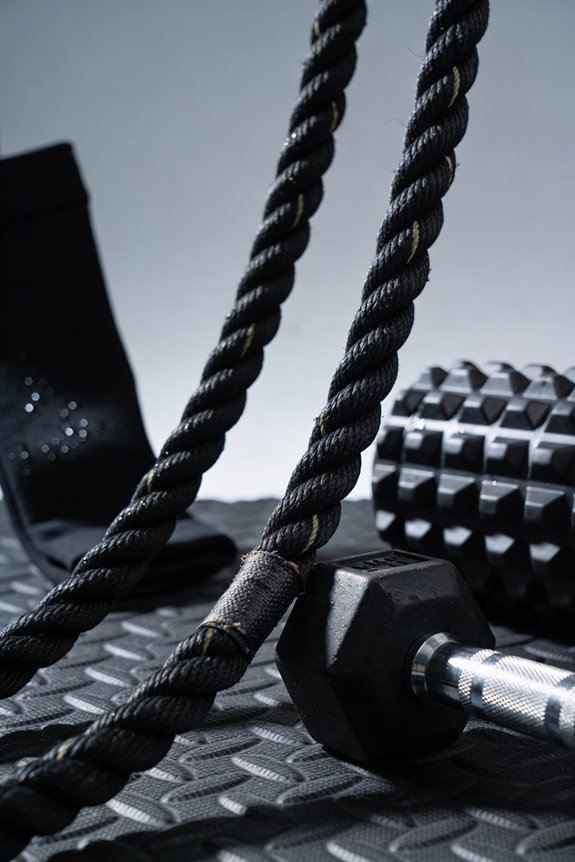
Ever hit the gym hard and then woke up feeling like you’ve been hit by a truck? Yup, that muscle soreness you feel isn’t just annoying—it’s a classic sign of Delayed Onset Muscle Soreness (DOMS). After pushing yourself in a workout, it’s pretty common to experience stiffness, tenderness, and even some pain in the areas you worked.
So, when does this all kick in? DOMS usually shows up 12 to 24 hours later, peaking around the 48-hour mark. During this time, you might notice some swelling, and your range of motion could feel a bit restricted. The level of soreness can vary a lot—some days, it might just be a mild ache, while other times it can get pretty intense, making everyday tasks feel like a chore.
Try this: when you start feeling those muscle cramps or the twitching, remember that it’s just your muscles reacting to a good workout. Understanding these symptoms is crucial. They’re a normal part of pushing your body, and once you grasp that, it can help you handle the discomfort better.
Truth is, DOMS is part of the journey toward getting fitter and stronger. So the next time you feel that soreness creeping in, don’t worry—you’re on the right track. Maybe take a moment to appreciate how hard your body is working for you. How do you usually deal with muscle soreness after a tough workout? Using compression sleeves during and after exercise can help improve circulation and reduce muscle fatigue to aid recovery.
Effective Recovery Strategies for Managing DOMS
Ever feel like your muscles are screaming at you a day or two after a tough workout? That’s Delayed Onset Muscle Soreness (DOMS) for you, and trust me, it’s all too common. The good news? There are plenty of ways to ease that discomfort and help your body recover faster.
Active recovery is a lifesaver. Try engaging in light activities such as walking or cycling. This doesn’t just help distract from the soreness; it gets the blood flowing to those achy muscles. Now, let’s talk hydration. Keeping yourself well-hydrated plays a huge role in muscle repair and can really reduce that post-workout soreness you’re feeling.
Don’t forget about nutrition. A balanced diet with plenty of protein and carbs is crucial. These nutrients aid in recovery and help your muscles bounce back faster after exercise. If you’re wondering what to include, think lean meats, whole grains, and lots of fruits and veggies.
When it comes to easing muscle tightness, gentle stretching or a good massage can make a big difference. And foam rollers? They’re fantastic for increasing circulation and releasing tight knots in your muscles.
Got some inflammation or swelling? Cold therapy can work wonders. Whether it’s ice packs or a nice cold bath, that chill can really help reduce pain and speed up recovery.
Wearing the right gym apparel, such as moisture-wicking high-waisted leggings that support muscle movement, can also aid comfort during recovery.
The best part is, by mixing and matching these strategies, you can manage DOMS like a pro. So, what strategies have you tried so far?
Tips for Preventing DOMS During Workouts
What’s worse than a great workout? Waking up the next day feeling like you’ve been hit by a truck. Delayed Onset Muscle Soreness (DOMS) can really put a damper on your fitness goals, but with a few simple strategies, you can keep it at bay.
To avoid that dreaded soreness, gradually ramp up your workout intensity and duration. Aim for no more than a 10% increase each week. This way, your muscles have time to adapt and won’t feel overwhelmed. Also, try this: incorporate dynamic stretching into your warm-up routine! It boosts blood flow and gets your muscles primed for action.
Cooling down after workouts is just as crucial. Taking a few minutes to stretch and let your heart rate return to normal can work wonders for recovery. And don’t underestimate the power of proper form and technique during strength training. When you focus on executing movements correctly, you minimize the risk of microtears in your muscles.
Hydration is another major player in preventing DOMS. Make sure you’re drinking enough water before, during, and after your workouts. Water is essential for muscle function and recovery, so keep that bottle close!
Wearing moisture-wicking fabrics during exercise can help keep your skin dry and reduce discomfort, contributing to overall recovery and prevention of soreness.
So, why does this matter? Preventing soreness not only keeps you comfortable but also helps you stay consistent with your workout routine. Consulting with a healthcare professional can offer tailored advice specific to your needs.
Can You Exercise When You Have DOMS?
Can you still stay active while dealing with Delayed Onset Muscle Soreness (DOMS)? Absolutely! But, here’s the catch: it’s essential to tune into how your body feels.
Engaging in light, low-impact activities like walking or cycling can actually help promote blood flow, which may ease that muscle soreness. Even though your muscles might feel tender, cross-training is a way to keep moving without pushing too hard on the sore spots. For example, if your legs are feeling the burn, consider switching to upper body workouts instead.
But let’s be real—if you’re feeling intense pain or muscle spasms that make it hard to move, it’s a smart move to take a break or scale back your activities. So, why does this matter? DOMS is often just your body responding to new challenges and adapting to them. It’s a sign of progress, even if it doesn’t feel that way right now.
Try this: instead of throwing in the towel completely, listen to your body and opt for gentler activities. Remember, staying active can be a form of self-care too. How do you plan to keep moving while nursing those sore muscles? Wearing high-waisted leggings with proper support can help maintain comfort during light exercise when dealing with DOMS.
Frequently Asked Questions
How Long Does DOMS Typically Last After a Workout?
DOMS typically lasts 24 to 72 hours after a workout. Recovery time depends on exercise intensity and workout frequency, with varying soreness levels. We can manage pain effectively while our muscles repair and strengthen.
Is DOMS More Severe in Beginners or Experienced Athletes?
DOMS tends to be more severe in beginners due to lower soreness tolerance and training intensity. As we adapt through exercise variability, our muscle recovery improves, leading to less discomfort despite increased fitness levels.
Can Nutrition Influence the Severity of DOMS?
Absolutely, nutrition can influence DOMS severity. Don’t we all want to recover faster? Protein timing, carbohydrate intake, and antioxidants help reduce inflammation, while omega-3s and micronutrients improve recovery by optimizing meal composition.
Are There Specific Exercises That Cause Worse DOMS?
Yes, specific exercises like eccentric movements, high-intensity workouts, and unaccustomed strength training can lead to worse soreness. Plyometric drills and increased resistance training frequency also contribute to a heightened experience of muscle discomfort.
Does Hydration Affect the Likelihood of Experiencing DOMS?
Absolutely, hydration’s essential! Research shows that staying well-hydrated can reduce muscle soreness by up to 20%. By using proper hydration strategies before and after intense workouts, we support muscle recovery and electrolyte balance, dispelling hydration myths.