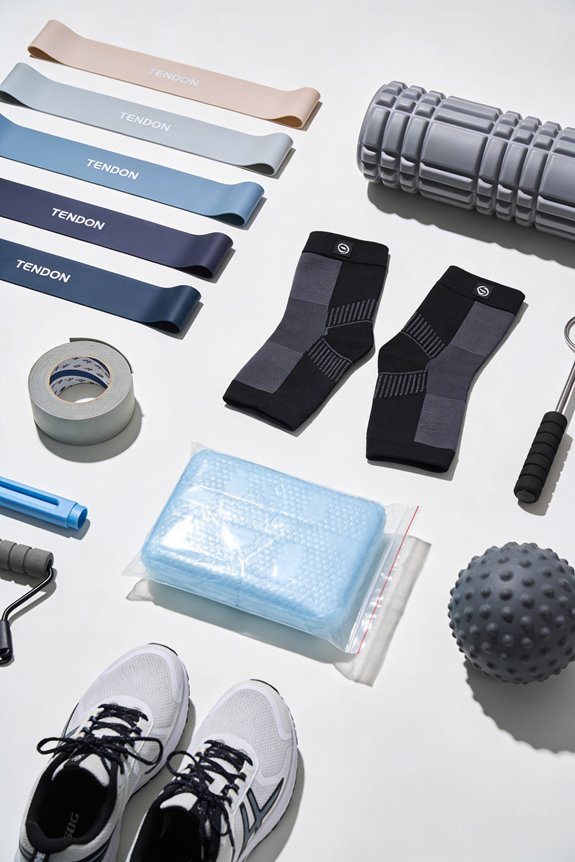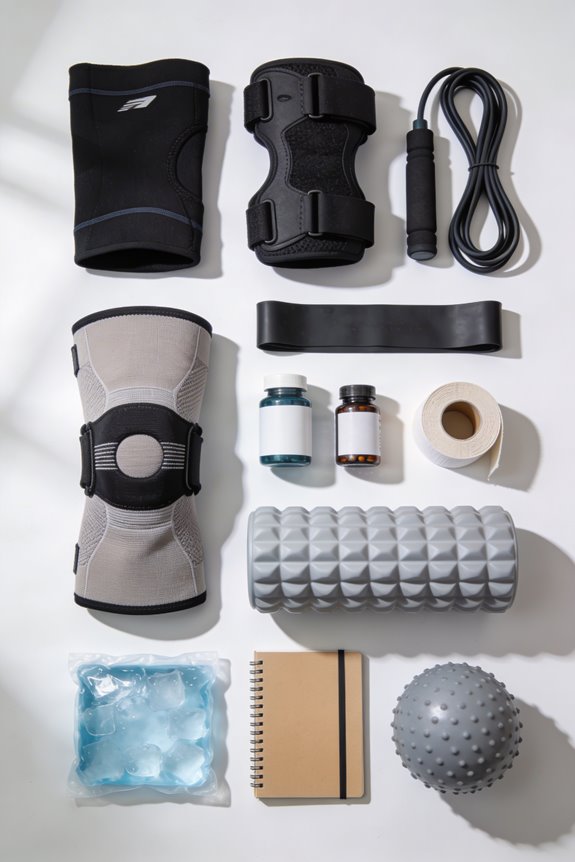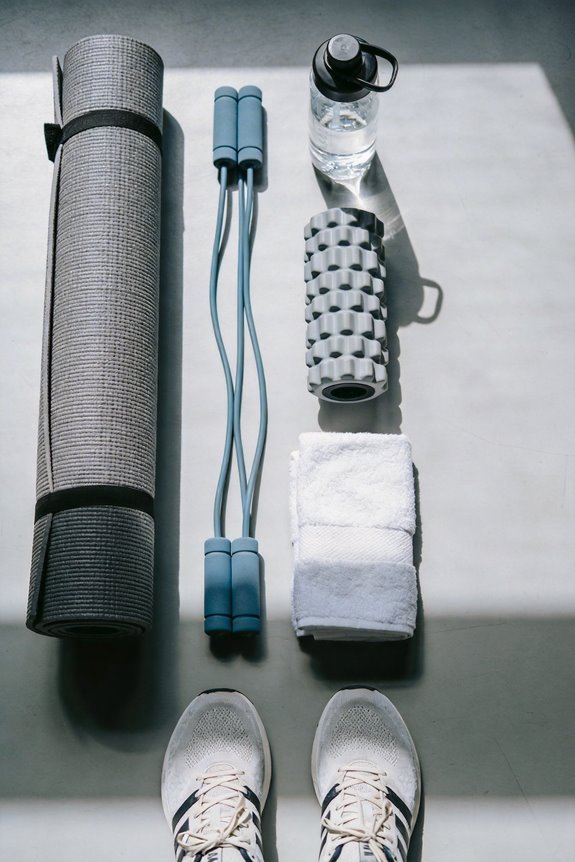

Rest days are essential for our recovery, allowing muscles to rebuild and preventing burnout. We should take 1-2 rest days weekly, especially for weight training, while novice runners may need more breaks. Watch for signs of overtraining, like constant fatigue or persistent soreness, as they indicate we need a break. Active recovery, such as walking or light yoga, can help maintain blood flow and flexibility. Let’s explore how to effectively tailor our rest days to maximize our fitness goals.
Key Takeaways
- Rest days are essential for muscle recovery, preventing burnout, and reducing the risk of injury.
- Signs of overtraining include persistent soreness, fatigue, and decreased motivation, indicating the need for additional rest.
- Active recovery, like walking or yoga, promotes blood flow and aids in quicker muscle recovery.
- Tailor your rest days based on fitness goals; 1-2 rest days are ideal for weight training, while runners might require different schedules.
- Debunk the myth that skipping rest days enhances performance; proper recovery is crucial for long-term gains and injury prevention.
Understanding the Importance of Rest Days for Recovery
When you’re on a mission to reach your fitness goals, it can be tempting to skip your rest days. But let me tell you, these days are just as important as hitting the gym. Taking at least one full rest day each week can prevent burnout and lower your chances of getting hurt.
This downtime isn’t just about kicking back; it’s your body’s chance to repair itself. It’s during this rest that your muscles can rebuild, which means stronger gains for you in the long run. If you’re feeling more tired than usual or your mood starts dipping, this could be your body telling you to take a step back.
What about active recovery days? These are super valuable, too! Think about incorporating light activities, such as walking or yoga. Not only do they keep you moving, but they also boost blood flow, helping your muscles bounce back quicker.
Honestly, if you’re serious about your fitness journey, remember that rest is part of the process. With adequate recovery, you’re setting yourself up to hit those workout goals while keeping your body in top shape. So, are you ready to embrace those rest days? Make sure your gear, like 9-inch athletic shorts with moisture-wicking materials, supports your recovery and workout comfort.
How to Tell If You’re Overtraining and Need a Break?

How can you tell if you’re pushing yourself too hard and need to take a break? One big sign is if you’re feeling that deep muscle soreness that sticks around longer than what you’re used to. It’s your body’s way of saying, “Hey, I need more time to recover.”
Another clue is if you’re constantly drained before your workouts or feel your mood swinging down, leaving you unmotivated. It happens to the best of us, right? Overtraining can really take a toll, even dropping your immune defenses, making you more likely to catch whatever’s going around. And if you find yourself hitting a plateau where progress just stalls, it might be time to consider if you need some extra rest.
So, what can you do? Here’s a simple approach: incorporate rest days into your routine to aid recovery. Just listen to your body; it often knows better than we do about what it needs. Wearing moisture-wicking leggings during workouts can help keep you comfortable, potentially reducing additional physical stress.
To sum it up, paying attention to how you feel is crucial. When in doubt, give yourself permission to rest and recharge. Have you ever caught yourself ignoring these signs? It might just be the nudge you need to tune into your body’s signals.
Active Recovery for Muscle Healing
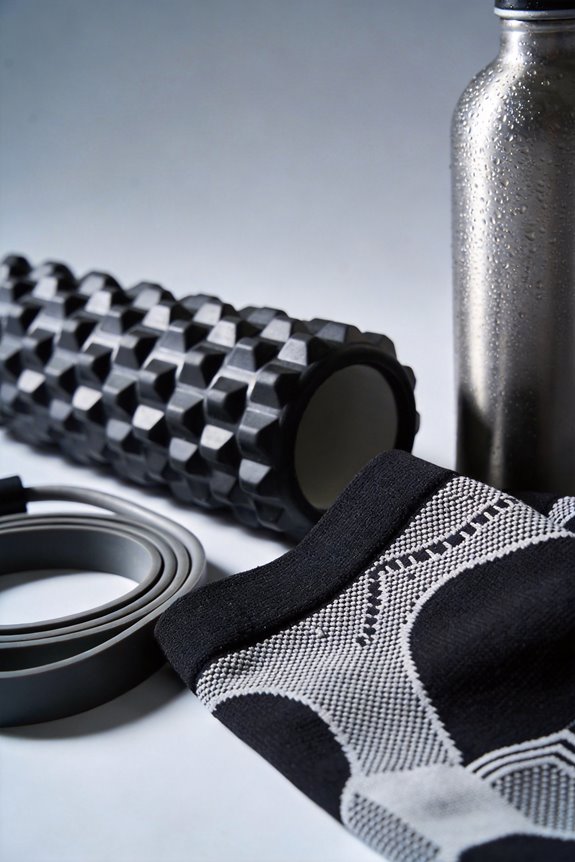
Active recovery is something that often gets overlooked, especially after those tough workouts. Ever found yourself feeling sore the day after a high-intensity session? That’s where active recovery comes in. Simply put, light activities like a leisurely walk or gentle yoga can work wonders for muscle healing. It’s not just about taking a break; moving around helps improve blood circulation, which is key for getting those muscles back to normal.
Think of it this way: when we keep things moving, we’re flushing out lactic acid. This can seriously cut down on soreness and boost recovery time. So, why not give your body a chance to heal while still staying active? Regularly scheduling in these active recovery days can help you recuperate without feeling completely stationary. Plus, these light activities can really improve flexibility and range of motion, which are super important for muscle function.
Here’s the trick: consider adding in some easy stretching or low-energy workouts. You’ll also notice a boost in your mental well-being from just moving around a bit. It’s easier to jump back into more intense workouts when you feel good. So, what’s not to love? Prioritizing active recovery really sets you up for success in your fitness game.
To wrap things up, staying active even when you’re recovering is a solid strategy for better performance in the long run. Additionally, incorporating moisture-wicking fabrics in your workout wear can enhance comfort during these light activities, helping maintain optimal body temperature. Have you thought about how incorporating some lighter days might change your routine?
Tailoring Rest Days to Meet Your Fitness Goals
Tailoring your rest days to fit your fitness goals can truly make a difference in your progress and overall health. Are you weight training five days a week? If so, integrating 1-2 rest days is crucial for maximum recovery and helps keep overtraining at bay. But if your main goal is to shed some pounds, your approach can be a bit more flexible; just adjust your rest days based on how intense your workouts are.
For novice runners, it’s key to have at least two non-running days. This helps you avoid unwanted muscle tightness. Experienced runners might find they only need one day off. Here’s the trick: if you’ve had injuries in the past, you’ll want to make recovery a top priority. You might need more non-running days to properly handle fatigue and ensure your body has enough time to bounce back between sessions.
Honestly, listening to your body is half the battle. Are you feeling overly tired or a bit sore? Sometimes that’s a signal to take an extra day to rest. The best part is, taking the right amount of rest can actually push you further in your overall fitness journey. Incorporating moisture-wicking fabrics in your workout apparel can also aid recovery by keeping you cool and comfortable throughout exercise and rest periods.
Wrap it all up, your rest days should work for you, not against you. How can you adjust your routine to make sure you’re getting the downtime you need?
Debunking Myths About Rest Days and Recovery
Why do so many people think that skipping rest days will help them reach their fitness goals faster? The truth is, that couldn’t be more wrong. Taking a break is crucial for muscle recovery; it allows our bodies to heal and get stronger. If you push yourself too hard without letting your body rest, you might end up feeling chronically fatigued or hitting a performance plateau. So, what’s the deal with rest days?
Some folks worry that taking time off might lead to weight gain, but that’s not how it works. Proper rest actually helps protect you from injuries and improves your long-term performance. If you’re still feeling restless on those days, consider active recovery options like walking or yoga. These activities boost blood flow without putting extra strain on your body, keeping you active while you recover.
No matter whether you’re pumping iron or following a busy exercise schedule, taking 1-2 rest days each week can really pay off. It helps you stay fit and injury-free in the long run. Additionally, choosing the right gear, such as moisture-wicking fabrics, can enhance comfort during workouts and recovery.
Frequently Asked Questions
What Is the 5-3-1 Rule?
The 5-3-1 program focuses on major lifts with progressive overload, emphasizing strength training through efficient techniques. We can explore various exercises and variations to enhance our workout scheduling and maximize the program’s benefits in powerlifting.
Are Rest Days Necessary for Recovery?
Aren’t we all enthusiastic to maximize our workout performance? Rest days are essential for muscle repair and injury prevention, enhancing mental health and body adaptation. Combining them with active recovery strengthens our recovery strategies and training frequency.
What Is the 2 2 2 Rule in Gym?
The 2 2 2 rule suggests two rest days for every two intense workout days. It offers benefits like better recovery and muscle growth, but we must consider its pros, cons, and variations for our unique needs.
How Much Rest Does Your Body Need to Recover?
Our bodies need at least one to two rest days weekly to respond to body signals, enhance sleep quality, support muscle repair, and prevent overtraining. Prioritizing recovery boosts performance while nourishing the mind-body connection.