
Our bodies adapt to different types of exercise through specific changes: aerobic exercise boosts heart function and stamina; strength training increases muscle mass and metabolism; flexibility work improves joint mobility to prevent injuries. High-Intensity Interval Training elevates calorie burn, while mobility training enhances coordination and stability. Combining these methods yields a well-rounded fitness approach. Staying informed on these adaptations helps maximize your workouts. If you’re looking to enhance your routine and overcome obstacles, more insights are ahead.
Key Takeaways
- Aerobic exercise improves cardiovascular health, increases oxygen delivery to muscles, and enhances stamina through a stronger heart and lower resting heart rate.
- Strength training promotes muscle growth and maintenance, elevates resting metabolic rate, and supports overall body strength through increased protein synthesis.
- Flexibility and mobility training enhance joint range of motion, reduce injury risk, and improve muscle elasticity for better overall alignment and recovery.
- High-Intensity Interval Training (HIIT) boosts aerobic and anaerobic performance, creates a post-exercise calorie burn effect, and protects muscle mass during fat loss.
- Combining cardio and strength training maximizes energy expenditure, improves insulin sensitivity, and contributes to sustainable fitness outcomes through diverse workout modalities.
Key Adaptations From Different Types Of Exercise
Ever feel like your workouts just aren’t cutting it anymore? You’re not alone! When you mix up your exercise routine, your body starts making some impressive changes that can really boost your fitness.
Let’s break it down a bit. Regular aerobic exercise can do wonders for your heart. It increases how much blood your heart pumps with each beat and even lowers your resting heart rate. This means better oxygen delivery to your muscles when you need it most.
Strength training is another key player in the fitness game. It’s all about building muscle. When you lift weights, you’re actually promoting muscle growth through increased protein synthesis. Over time, you’ll notice just how much stronger and more toned your muscles become.
Don’t forget about flexibility training! Incorporating some stretching can improve your joints’ range of motion and make your muscles more elastic. Why does this matter? It helps you avoid injuries and keeps you moving better.
High-Intensity Interval Training (HIIT) is seriously effective, too. It ramps up the density of your mitochondria—those little energy powerhouses in your cells. This boost enhances both your aerobic and anaerobic performance, allowing you to push yourself harder.
And if you want to keep your bones healthy, weight-bearing exercises are essential. They help stimulate bone density through mechanical loading, which is just a fancy way of saying that your bones get stronger when you put them to work.
The best part is that all of these adaptations work together. Tailoring your training and giving your body the recovery it needs ensures you’ll thrive. So, what changes can you make to your routine this week? Maybe it’s time to try something new!
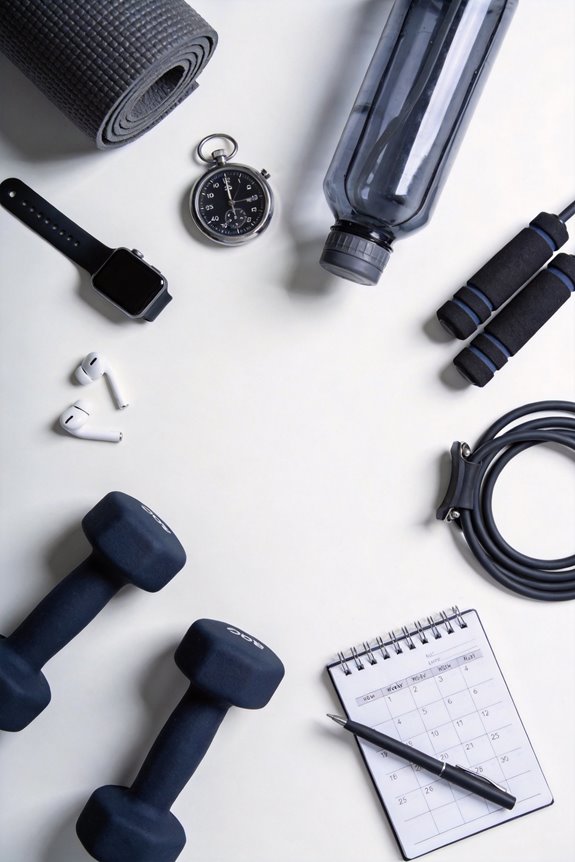
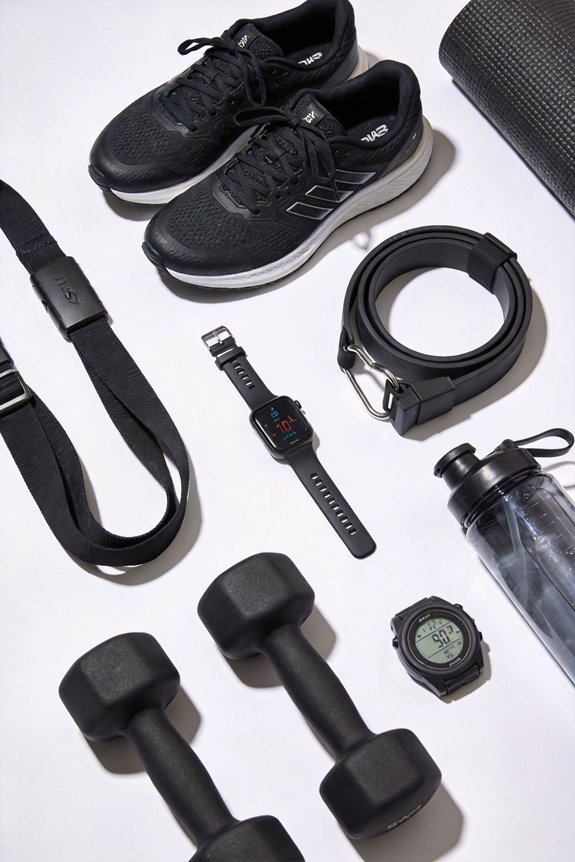
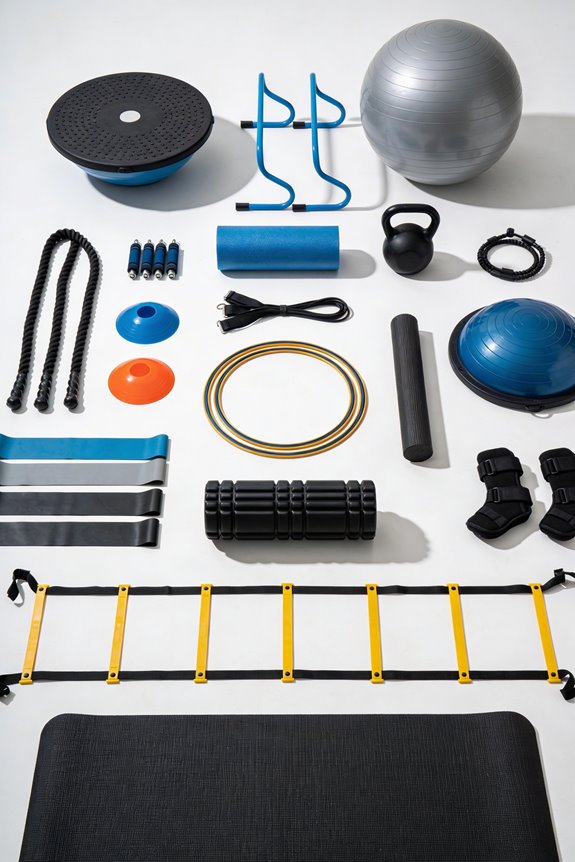
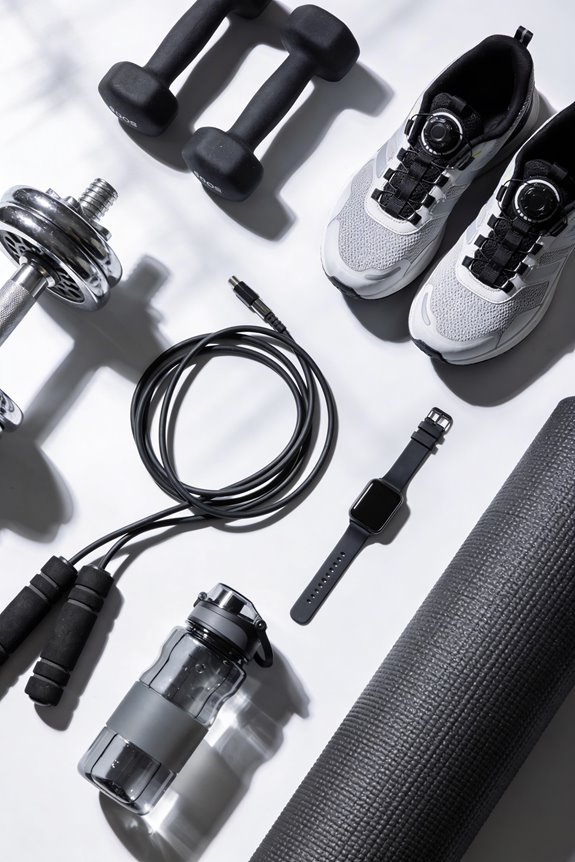
Using the right gear and equipment during your workouts can also help maximize performance and comfort.
How Cardio And Strength Training Interact With Your Metabolism
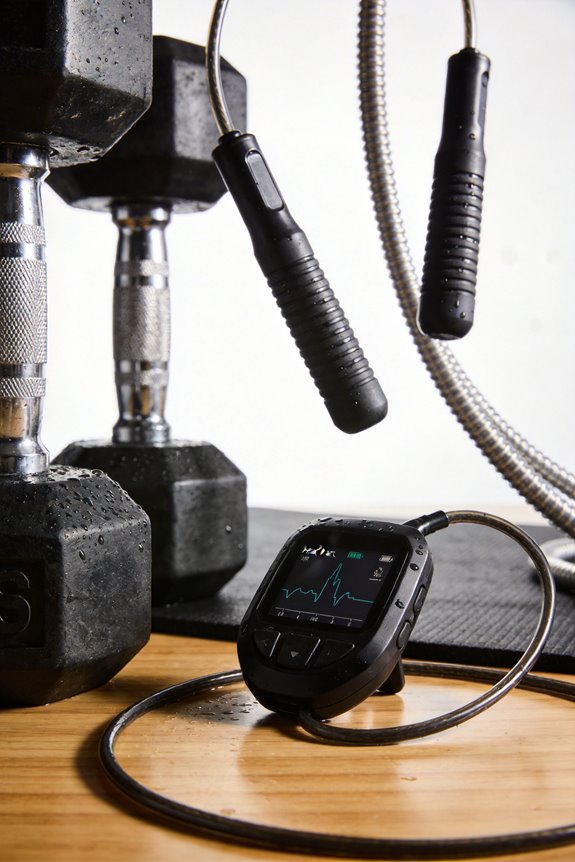
Have you ever felt like no matter how hard you work out, your progress is just stuck? It’s frustrating, right? Well, the truth is, cardio and strength training actually complement each other in a way that can supercharge your metabolism.
Let’s break it down. Cardio exercises are great not just for burning calories, but they also improve your heart and lungs, which means better oxygen delivery and stamina when tackling those tough workouts. On the flip side, strength training is crucial too because it builds muscle. More muscle means a higher resting metabolic rate since muscle burns more calories than fat. So, when you combine both, you get a serious boost in your energy expenditure.
Wondering why you should care? Improved insulin sensitivity is a big deal when it comes to managing your blood sugar. Plus, engaging in High-Intensity Interval Training (HIIT) mixes cardio and strength training, ramping up your resting metabolic rate for hours after you’ve finished exercising. That’s right—magic happens even after you leave the gym!
Here’s the trick: make sure to blend both types of exercise in your routine. You can run, jog, or bike one day, and then hit the weights or try bodyweight exercises the next. Not only does this help keep things interesting, but it also ensures you’re hitting all the bases for a well-rounded fitness approach.
The best part is, a balanced mix creates a more sustainable path toward your fitness goals. Wearing comfortable, breathable clothing made from moisture-wicking fabrics can enhance your exercise experience by allowing better movement and sweat management. So, what’s holding you back from trying this combo?
The Role Of Flexibility And Mobility In Exercise Adaptations
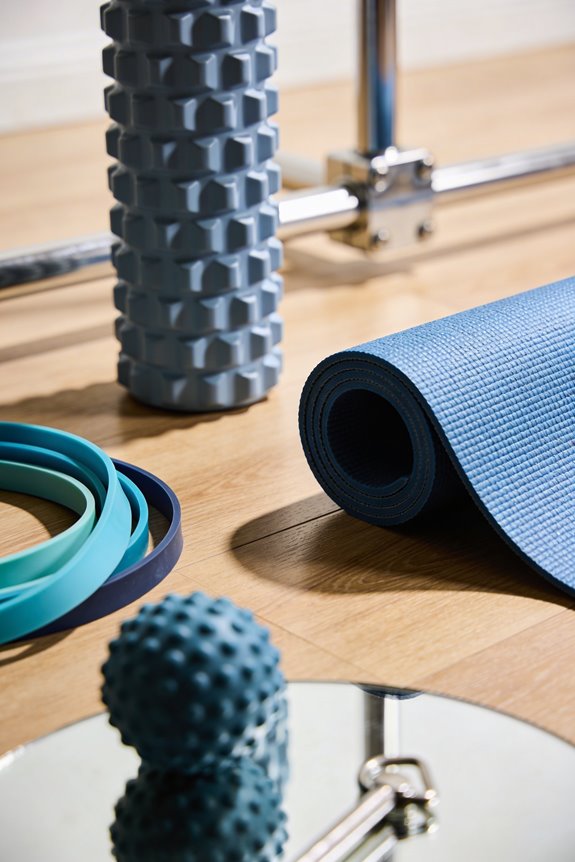
Have you ever wondered why some people seem to run circles around others? Flexibility and mobility might just be the secret sauce that helps folks adapt to their workouts and achieve top performance.
When your joints have a greater range of motion, you’re not just reducing the chance of getting hurt; you’re also setting yourself up for better strength training. Regular stretching can help your muscles lengthen, leading to better body alignment during your lifts. This translates to more efficient muscle use, which means you can activate more muscle fibers when it counts the most. Plus, don’t underestimate the power of stretching before and after workout sessions—it’s key for recovery, easing tension, and boosting blood flow to tackle that dreaded delayed-onset muscle soreness.
Mobility training deserves a shout-out, too. Dynamic stretches can really kickstart your body for exercise. They prepare your muscles for action and improve your stability and coordination—both are essential for athletic performance. So, think about incorporating mobility work into your routine to help target specific muscle groups and keep everything in sync. Using compression knee sleeves during training can also support joint stability and enhance workout performance.
The Benefits Of High-Intensity Interval Training (HIIT)
Are you tired of spending hours at the gym without seeing the results you want? High-Intensity Interval Training, or HIIT, might just be your answer. This training style allows you to maximize your workout in a fraction of the time by switching between short, intense bursts of exercise and lower-intensity recovery periods. It’s a great way to get your heart pumping and improve cardiovascular fitness without a huge time commitment.
The cool thing about HIIT is that while you’re ramping up your workout intensity, you’re also helping to protect your muscle mass as you lose fat. Research shows that HIIT can boost insulin sensitivity, which is crucial for managing blood sugar levels. So, why does this matter? Well, those benefits mean you’re not just burning calories during your workout; you’re also enhancing your body’s ability to handle glucose long-term.
When you engage in HIIT regularly, you’re putting just the right amount of stress on your body, which can enhance both your aerobic and anaerobic capacities. There’s also the afterburn effect, known as excess post-exercise oxygen consumption (EPOC), where you continue to torch calories even after you’ve wrapped up your training. That means more calorie burn during the day with less time actually spent working out.
Choosing appropriate gear, like high-waisted workout shorts, can further enhance your performance and comfort during HIIT sessions.
Here’s the trick: You can easily fit HIIT into your busy lifestyle. Even a quick 20-30 minute session can make a big difference. No fancy equipment needed—just grab a timer and get moving.
In the end, getting fit doesn’t have to feel like a chore; it can be quick, fun, and highly effective, thanks to HIIT. Ready to give it a try? What’s stopping you from taking that first step today?
What Causes Exercise Plateaus And How To Overcome Them?
Have you ever felt like no matter how hard you push, your progress has hit a wall? That’s what exercise plateaus can do. When we try new workouts—like HIIT—sometimes our bodies just adapt too quickly. This can make those workouts feel less effective over time.
To keep moving forward, it’s important to mix things up a bit. You need to vary your training. That means changing your weights, reps, and sets to incorporate progressive overload. Doing the same workout again and again? That’s a recipe for stagnation and won’t challenge your muscles enough to grow.
But there’s more to consider. Don’t overlook your nutrition. If you’re not getting enough calories or protein, it can mess with your muscle glycogen stores and really halt your progress. The bottom line here is that you have to keep an eye on both your workout and what you’re eating to keep that momentum going.
Here’s the trick: keep your body guessing by introducing new challenges every few weeks. Change up your routine, try new exercises, or even shift the order in which you do them. And remember, fueling your body with good nutrition is just as essential. It’s also crucial to wear the right moisture-wicking materials to stay comfortable and prevent distractions during exercise. So, why does this matter? When you understand these factors and tweak your approach, you’ll be setting yourself up for ongoing improvements in your fitness journey.
Tips To Break Through Your Exercise Plateaus
Feeling stuck in your fitness routine? You’re not alone. It’s frustrating when you hit that plateau and progress seems to stall. But tackling this head-on takes a bit of strategy.
First off, think about progressive overload. This means gradually increasing the weights, reps, or intensity of your workouts to keep your muscles challenged. You don’t have to ramp things up dramatically; even small increments can lead to big changes over time.
Another key is to shake things up a bit with your training program. Ever heard of periodization? It’s a fancy term for varying your training volumes and intensities. Switching things around keeps your body guessing and can lead to better performance. So, don’t be afraid to mix it up.
Now, take a moment to assess your training variables. Are your interval durations or recovery times set in stone? Changing those up can help trigger new adaptations. Sometimes, it’s the simple tweaks that make the biggest difference.
And let’s not forget about nutrition—it’s crucial for muscle recovery. Make sure you’re fueling your body properly with enough protein and carbohydrates. Without the right nutrients, all that hard work in the gym might not pay off as you’d like.
Here’s a key point: recovery matters too. Implementing deload weeks can be a good strategy for letting your body recuperate. This not only supports long-term progress but can help you avoid burnout.
Additionally, incorporating supportive gear like compression socks during and after workouts can enhance blood circulation and aid muscle recovery.
The Importance Of Recovery For Successful Adaptation
Have you ever hit the gym hard, only to wonder why you’re not seeing the results you expect? Recovery is a huge piece of the puzzle. It’s what allows your muscles to heal those tiny tears that happen during tough workouts. Ideally, your muscles need about 48 hours of downtime before you hit them again. Without giving your body time to recover, you could risk overtraining, which raises cortisol levels and makes it harder to build muscle.
So, how can you make sure you’re recovering effectively? Start by incorporating rest periods and don’t shy away from deload phases where you ease up on the intensity. Keeping an eye on your body’s signals can also help. For instance, tracking your resting heart rate can give you clues about your recovery status. Pay attention to how you feel during workouts—if you’re constantly exhausted, it might be time to take a break.
Nutrition plays a big role in recovery too. Make sure you’re consuming enough calories and protein. These nutrients are crucial for mending muscle and replenishing energy. Remember, you get stronger during rest, not just during the grind. Additionally, using tools like muscle rollers can enhance muscle recovery by improving circulation and reducing soreness.
Long-Term Strategies For Sustaining Fitness Improvements
Sustaining fitness improvements can feel like a tricky balancing act, right? It’s not just about hitting the gym; it’s about how you approach your entire lifestyle. First off, think about balancing your training and weight loss goals. You want to mix in both aerobic and strength training. This combo not only boosts your health but also enhances your muscle strength and heart health.
Now, let’s chat about periodization. This is just a fancy way of saying you should change up your workout routine regularly. Keep the intensity shifting and switch up the exercises to keep things fresh. Nobody wants to hit a workout plateau, and staying engaged with your regimen prevents that mid-workout boredom.
And let’s be real—nutrition plays a huge role in all of this. Are you giving your body the fuel it needs? A well-rounded diet packed with proper calories and protein is key. This supports muscle recovery and growth, which helps you adapt to your workouts better.
Don’t forget about rest and recovery. It might sound simple, but your body needs that downtime to fix itself up after you sweat it out. Rest is when the real magic happens as your blood vessels repair and muscles rebuild.
Additionally, wearing appropriate moisture-wicking athletic pants can help regulate body temperature and keep you comfortable during exercise.
Frequently Asked Questions
How Does Your Body Adapt to Exercise?
As we push our limits, our bodies commence a journey of muscle growth and strength progression. Through endurance training and recovery techniques, we experience metabolic adaptation and enhanced cardiovascular efficiency, transforming each workout into a powerful evolution.
What Is the 4 8 12 Rule?
The 4-8-12 Rule structures our workouts into exercise intervals—4 sets, 8 reps, and 12 exercises. It emphasizes recovery periods to boost muscle hypertrophy, enhances endurance training, and guarantees strength gains through workout variation.
What Is the 2 2 2 Rule in Gym?
When we immerse ourselves in the 2 2 2 rule, we’ve accessed incredible benefits! This strategy boosts strength training, improves endurance, and enhances recovery while skyrocketing our fitness progression with efficient workout frequency. Let’s conquer those gains together!
What Is the 5-3-1 Rule?
The 5-3-1 rule’s about strength progression through lifting frequency and varying volume intensity. We set goals, maintain workout consistency, and prioritize recovery periods, ensuring effective training cycles for ongoing improvement and muscle strength.