Hormones noticeably impact our athletic performance and recovery. Testosterone and estradiol, for instance, boost muscle growth and aid in recovery. The menstrual cycle in female athletes influences energy levels: the follicular phase enhances carbohydrate use while the luteal phase emphasizes fat burning. Stress hormones like cortisol can hinder recovery if they’re too high. Monitoring these hormones can help tailor training and nutrition to optimize performance, making it clear that understanding these aspects is essential for our success.
Key Takeaways
- Hormones like testosterone and estradiol are crucial for strength, muscle repair, and recovery in athletes.
- Energy levels in female athletes fluctuate with the menstrual cycle, affecting workout efficiency and motivation.
- Excess cortisol from overtraining can hinder recovery by slowing muscle repair.
- Nutrition significantly influences hormone levels, and imbalances can disrupt athletic performance.
- Regular monitoring of hormone levels, including testosterone and estradiol, can optimize training and recovery strategies.
How Do Hormones Influence Athletic Performance?
Have you ever felt like no matter how hard you train, your performance just isn’t where you want it to be? A big part of this could come down to hormones. They play a crucial role in how your body functions, especially when it comes to athletic performance. Understanding how they work can really help you tune your training for better results.
Let’s talk about two important hormones: testosterone and estradiol. Testosterone is your go-to for strength and power. It’s the hormone that helps build muscle and improves your recovery time. On the other hand, estradiol is vital for muscle repair and metabolism of fat. For female athletes, these hormones fluctuate throughout the menstrual cycle, and this can actually boost how your body uses carbs for energy during the follicular phase. So, if you’re looking to maximize your training, timing your workouts around your cycle can really make a difference.
Low hormone levels are no joke; they can increase your chances of getting injured and slow down your recovery. Monitoring your hormone levels is essential if you want to stay on top of your game. Honestly, if you’re noticing signs like constant fatigue or slower recovery times, it might be worth diving into your hormone health.
Here’s the trick: explore options like hormone replacement therapy if you’re running into issues with low hormones. It could improve your energy, help with recovery, and boost your overall performance. Using compression sleeves can also aid recovery by enhancing blood flow and reducing muscle fatigue after workouts.
Understanding How Hormonal Fluctuations Impact Your Training Adaptations
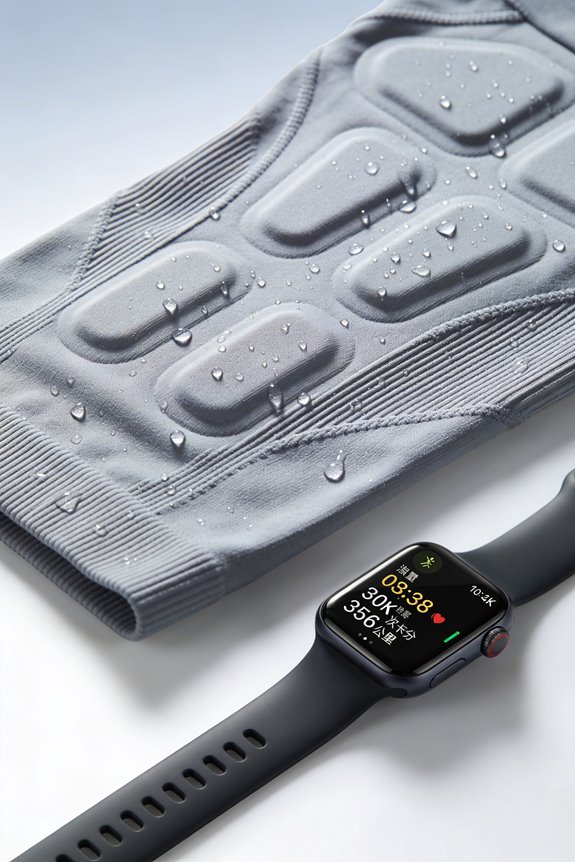
Have you ever wondered why some days you crush your workout, while on others, it feels like a struggle? Understanding how hormonal changes can impact your training could be the key to getting the most out of your efforts. For female athletes, the menstrual cycle plays a significant role in energy levels and motivation.
During the follicular phase, many find that their bodies are primed for workouts. This phase can enhance how your body uses carbs, which means your workouts might feel more efficient. On the flip side, the luteal phase can bring about changes in recovery. It’s during this time that estrogen and progesterone fluctuate, and you might notice that your body feels better equipped to bounce back after tough sessions.
And let’s not forget about testosterone. This hormone is crucial for everyone, helping with muscle growth and overall strength. If levels drop, you might feel your performance taking a hit. So, if you’re feeling off, it could be worth checking in with your hormone levels.
Monitoring your hormones through blood tests can help you tailor your training. Here’s the trick: by adapting your schedule based on your hormonal changes, you can avoid burnout, which can seriously derail your progress. Additionally, using compression sleeves can provide extra support and aid in recovery during intense training phases.
The Role of Hormones in Recovery After Exercise
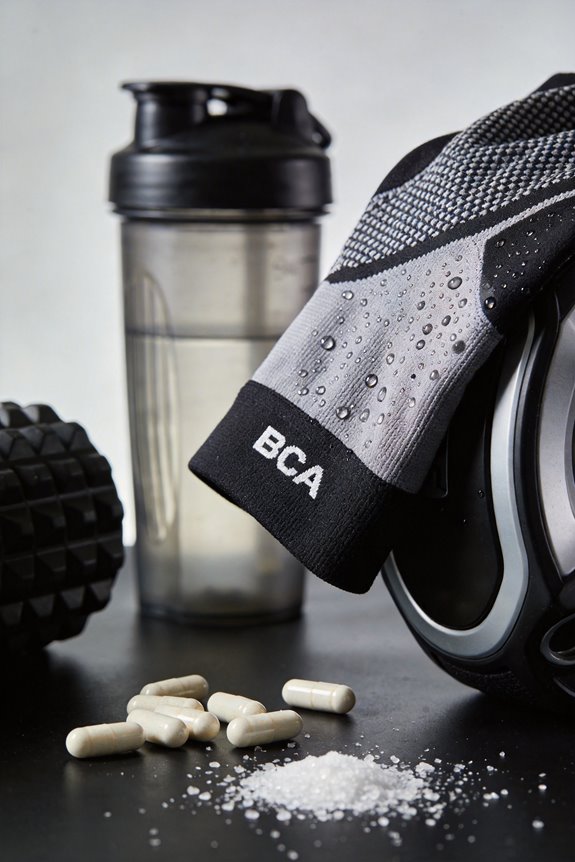
Have you ever wondered why some days you bounce back after a workout while other days you feel completely drained? Understanding hormones and how they impact recovery can make a big difference in your training and overall health.
Take testosterone and estradiol, for instance. These hormones play a key role in muscle repair and recovery. They help with protein synthesis, which means your muscles rebuild stronger, while also reducing inflammation. Growth hormone also kicks in during exercise and is crucial for helping your body repair tissue after a tough session.
On the flip side, there’s cortisol. While it’s necessary for dealing with stress, too much cortisol can really slow down your recovery. For female athletes, progesterone can actually help reduce muscle damage and inflammation during certain phases of the menstrual cycle. So, if you’re tracking your hormones post-workout, you’re getting valuable info about your recovery progress.
Try this: pay attention to how you’re feeling after workouts on different days of your cycle. You might find trends that can help you adjust your training loads. The best part is that by monitoring your hormones, you can fine-tune your recovery strategies and optimize how you train.
Additionally, choosing the right supportive sports bras can improve comfort during recovery, especially after intense workouts.
In short, being aware of your hormonal health can make a significant difference in how you recover. So, what changes can you make today to enhance your recovery process?
How Do Hormonal Changes Signal Overtraining?
Pushing your fitness limits can feel incredibly rewarding, but it’s important to keep an eye out for signs of overtraining. This is when your body can’t recover properly, and it might leave you feeling drained and less able to hit those goals. One key player in this process is our hormones, which can give us valuable insight into our current state.
When you’re experiencing overtraining syndrome, you might notice lower cortisol levels along with a dip in anabolic hormones. This often means your body’s stress response is a bit off balance, and that’s never a good sign. For some people, chronic overtraining can even lead to lower testosterone levels since consistently high cortisol suppresses testosterone production.
So, why does this matter? Monitoring your hormonal biomarkers, particularly cortisol and testosterone levels, can really help you keep tabs on how you’re feeling. Here’s the trick: if you track these markers regularly, it can allow you to fine-tune your recovery strategies and stay on top of your performance.
A few things to keep in mind:
- Keep an eye out for fatigue that doesn’t go away, even after resting.
- Notice if your motivation to train starts to dip.
- Look for any changes in your mood or sleep patterns.
Honestly, if you catch these signs early, you can take action before things get worse. By listening to what your body is telling you through these hormonal changes, you can make informed decisions about your training and recovery. Additionally, wearing compression shorts during workouts can enhance muscle support and aid recovery, complementing your hormonal health management.
Gender Differences: How Hormones Impact Female Athletes
Hormones can really shake things up when it comes to how female athletes perform, and paying attention to this can make a big difference in your training. If you’ve ever noticed that your energy and motivation seem to dip or soar throughout the month, you’re not imagining things. During the follicular phase of your cycle, your body becomes super efficient at using carbs for fuel. In contrast, when you hit the luteal phase, your body burns fat more effectively. It’s fascinating how our hormones can impact our workouts and overall energy!
Now, let’s talk about injury risks. Did you know that strength training might be more effective during that first part of your cycle? There’s research showing that you could have a lower risk of injuries like ACL tears during the follicular phase, while the luteal phase might increase those risks. So, if you want to time your workouts cleverly, consider adjusting your strength training schedule based on your cycle.
And let’s not overlook the Female Athlete Triad—it’s crucial for anyone who’s serious about sports. It involves a mix of low energy availability, menstrual issues, and low bone density. Honestly, neglecting these factors can have serious consequences on your health and performance.
Additionally, choosing running shoes with effective cushioning technology can significantly improve comfort and reduce injury risk during training and recovery.
Hormones and Nutrition: Boosting Performance
Have you ever wondered why some athletes seem to bounce back from workouts while others feel drained? The answer often lies in the food they consume. Nutrition isn’t just about counting calories; it’s about how your diet affects your hormones, too. Hormones like testosterone and estradiol are key players in muscle growth and recovery, which means what you put on your plate has a direct effect on your performance.
If you’re not fueling your body with enough calories to keep up with your training, it can throw your hormones out of whack. This is especially true for female athletes, as insufficient energy can even disrupt menstrual cycles. So, why does this matter? Because hormonal balance is crucial for not only your physical performance but also your overall health.
To keep your hormones in check, take a closer look at your vitamin intake. Have you checked your vitamin D levels lately? This vitamin is essential for maintaining hormone levels, and a deficiency could leave you feeling fatigued and slow.
Here’s the trick: aim to tailor your nutrition to enhance your energy availability and support hormone function. This might mean adjusting your intake of certain foods or adding supplements. Think about it—what you eat can really make a difference in how you feel and perform.
Wearing protective clothing with UV protection can also help reduce stress on your body by shielding your skin during outdoor training sessions.
Recap: By focusing on your nutritional choices, you can support your hormones and boost your performance. Are you ready to see how small changes to your diet can lead to big improvements?
Hormone Therapy’s Role in Enhancing Female Athletic Performance
Many female athletes might not know how much hormone therapy can impact their performance. Hormone replacement therapy (HRT), like estrogen and progesterone, can enhance your energy levels, improve recovery, and boost athletic performance. If you’re struggling with symptoms connected to low hormone levels, HRT might just be the support you need to tackle those tough training sessions and competitions.
Let’s talk about timing. Studies show that syncing HRT with your menstrual cycle could optimize your performance. For instance, you may notice greater strength gains during the follicular phase when estrogen is on the rise. It’s fascinating how our bodies work in tune with these hormonal changes, right?
Another thing to consider is the method of HRT. Using transdermal estradiol is recommended because it can aid in muscle recovery and metabolism. Remember, keeping an eye on your hormone levels is crucial. Even a small imbalance can affect your performance and may increase the risk of injuries. Additionally, incorporating supportive gear such as compression socks can further enhance recovery by promoting better circulation and reducing muscle fatigue.
Tools for Monitoring Hormonal Levels to Enhance Performance
Ever wonder why some days you feel like you can conquer the world, while other days, just getting through your workout feels like a monumental task? It’s likely tied to your hormonal balance. For female athletes, getting a handle on your hormones can be a crucial part of enhancing performance, and understanding hormone therapy can play a role too.
Monitoring your hormonal levels is really important. Regular blood tests, such as a Testosterone Blood Test or a Female Hormone Blood Test, can pinpoint any imbalances that might be impacting your performance and recovery. You can track changes in testosterone and estrogen, which can seriously affect your energy levels and muscle mass. Plus, there are non-invasive options like saliva tests or dried blood spot samples from ZRT Laboratory, making it easier than ever to keep tabs on your hormones without feeling like a pin cushion.
So, how do you get started? Establishing your baseline hormone levels before diving into intense training is key. This way, if something seems off, you can catch it early. It lets you make adjustments to your nutrition or recovery strategies. Here’s the trick: if you’re proactive about monitoring these levels, you’ll optimize your training and steer clear of burnout or overtraining syndrome.
To recap, knowing your hormonal balance can significantly influence your athletic journey. It’s all about staying ahead of any potential issues to maximize your performance. Additionally, staying hydrated with BPA-free water bottles during training can support overall health and recovery. Got any tips you’d like to share on how you keep your hormone levels in check?
Frequently Asked Questions
How Do Hormones Affect Athletic Ability?
Did you know that 70% of female athletes report performance variability due to hormonal changes? We see that testosterone impact boosts muscle strength, while fluctuating estrogen levels can influence recovery, alongside cortisol response affecting overall athletic ability.
What Hormones Help With Muscle Recovery?
Growth hormone benefits our muscle recovery by enhancing tissue healing. Testosterone’s role in muscle growth aids in recovery, while cortisol’s impact needs balance; high levels can hinder, so we must manage stress for ideal healing.
How Do Hormones Affect Exercise?
Think of our bodies as finely tuned instruments; hormone levels dictate how we respond to exercise intensity. They influence our metabolic response, shaping performance and recovery. Together, we can optimize our training to harmonize with these powerful signals.
How Does Recovery Affect Athletic Performance?
Recovery affects athletic performance by allowing us to implement recovery strategies that reduce muscle soreness and enhance training adaptations. When we prioritize recovery, we improve our strength and endurance, ultimately achieving our performance goals.