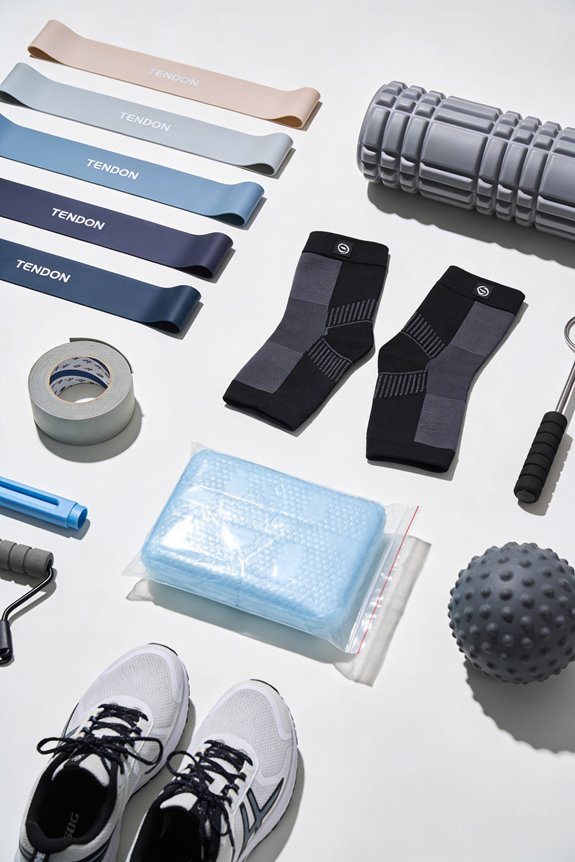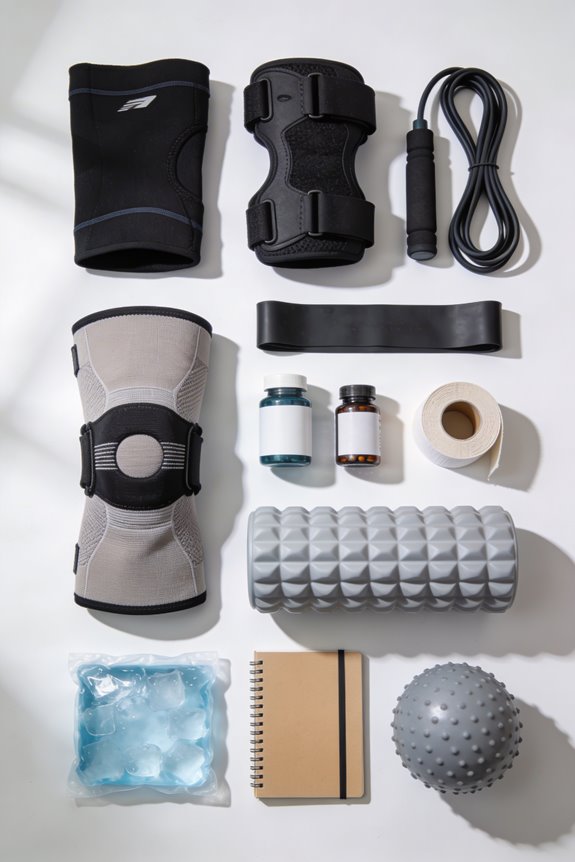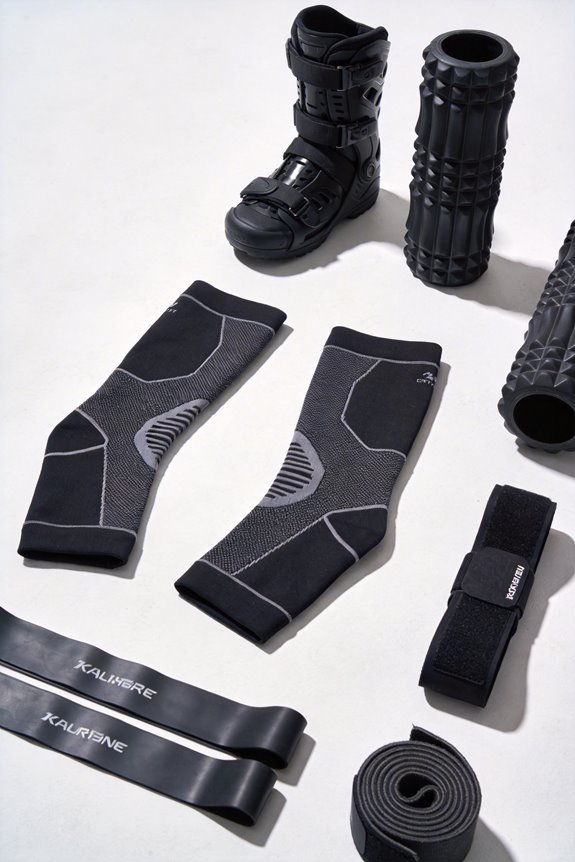

To use compression for post-workout recovery, we should wear compression boots immediately after exercising. Sessions should last 20 to 30 minutes. These boots use pneumatic compression to enhance blood flow, reducing muscle soreness. Start with moderate pressure, adjusting as necessary for comfort. It’s also essential to stay well-hydrated before and after use. We might consider combining compression therapy with proper nutrition and hydration for best recovery results. For additional insights, we can explore more advanced techniques and tips.
Key Takeaways
- Use compression boots within 30 minutes post-workout to enhance recovery and blood flow.
- Sessions should last 20 to 30 minutes for optimal effects on muscle soreness and inflammation.
- Start with moderate pressure, gradually increasing as your body adapts for maximum comfort.
- Stay hydrated before and after sessions to aid in flushing out metabolic waste.
- Combine compression therapy with proper nutrition and rest for comprehensive recovery support.
Key Benefits of Compression Boots for Post-Workout Recovery
Have you ever felt that post-workout soreness creeping in? Compression boots might just be the answer you’re looking for. These nifty devices use intermittent pneumatic compression to boost blood flow, effectively helping to flush out deoxygenated blood and metabolic waste from your muscles. The result? A significant reduction in muscle soreness.
Regular use of compression boots can really make a difference in how you feel after tough training sessions. They help decrease inflammation and swelling, which is crucial if you’re aiming to avoid injuries. Many people notice they recover faster, allowing them to hit the gym harder and with more effectiveness in their training sessions. Increased circulation not only speeds up recovery but can also enhance your overall mobility, which is a win-win.
Made from comfy materials like nylon and spandex, they fit snugly around your legs, providing that perfect level of compression. It’s amazing how something so simple can fit so seamlessly into your post-workout routine.
Softshell jackets are designed with materials such as polyester and spandex, known for their durability and flexibility, which can be paralleled in the design considerations for comfortable athletic recovery wear.
Honestly, if you want to enhance your recovery and keep your body feeling good, give compression boots a try. You might be surprised by how much they can help. After all, feeling better after a workout means you’re ready to tackle the next one even stronger. So, why not give them a shot and see how it feels for you?
What Is Compression Therapy?

Have you ever finished an intense workout and felt like your legs are made of lead? Recovery can be tough, but there’s a method that might just speed things up: compression therapy. This technique applies controlled pressure to specific areas of your body and can do wonders for your post-workout recovery.
Compression therapy often involves wearing garments like sleeves or socks, or using pneumatic devices designed to enhance circulation. Here’s the trick: by creating consistent pressure, these tools can help reduce swelling, alleviate muscle soreness, and even combat fatigue. Think about it—better circulation means oxygen-rich blood reaching your muscles faster and helping flush out metabolic waste.
Try this: incorporate compression therapy into your post-workout routine. It’s not just about feeling better—regular use may actually support your body’s recovery process. It could improve your overall exercise performance and even help prevent injuries down the line. So, why does this matter? Because who doesn’t want to bounce back quicker and keep going strong?
Choosing the right compression knee sleeve with the appropriate compression level can further optimize recovery benefits.
In short, if you’re looking to enhance your recovery game, compression therapy is worth considering. Why not give it a shot during your next workout recovery session? You might just be amazed at the difference it makes.
How Compression Boots Improve Blood Flow and Muscle Recovery
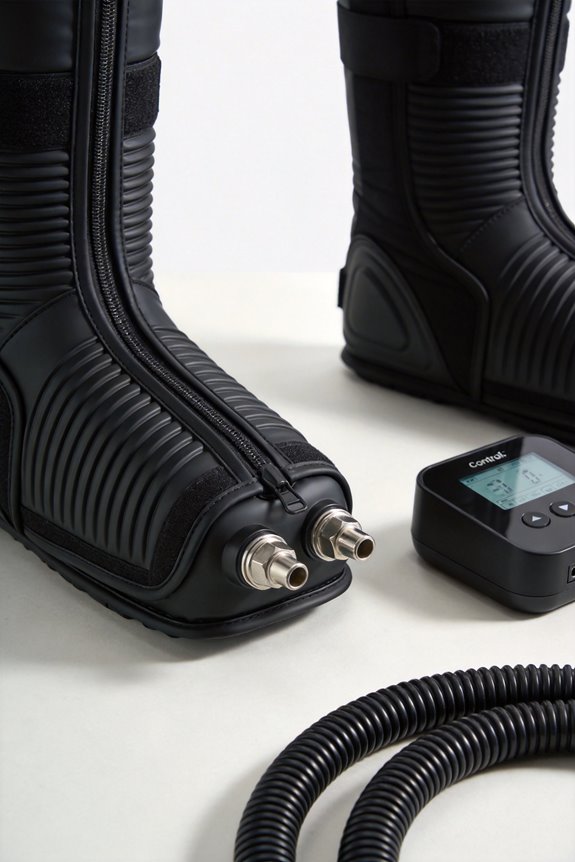
Compression boots can be a real lifesaver for anyone dealing with muscle soreness or recovery issues. If you’ve ever found yourself feeling achy and drained after a workout, you’re not alone. That’s where these nifty boots come in. They work by using something called intermittent pneumatic compression to boost blood flow. Picture squeezing a toothpaste tube — that’s basically how they help push the deoxygenated blood from your legs back up to your heart.
Why is this important? Well, it means improved oxygen delivery and nutrient exchange in your muscles. This not only speeds up your recovery but also helps reduce that uncomfortable soreness you might feel the next day. By mimicking the natural pumping action of your muscles, compression boots can also help eliminate metabolic waste and decrease swelling that often follows a tough workout.
Studies have shown these boots can ease delayed onset muscle soreness (DOMS), so if you’re looking for a way to bounce back faster, this could be something to consider. Regular use of compression therapy keeps your performance in check, allowing for consistent training with fewer setbacks in recovery.
Try this: If you’re serious about your fitness routine, give compression boots a shot after intense workouts. You’ll likely notice a difference in how quickly you recover and how much soreness you feel. It’s all about giving your body the support it needs.
In the end, compression boots might seem like an extra step, but they can really make your training feel more enjoyable. So, why not explore if they work for you? Your muscles will thank you! Additionally, combining the use of compression boots with graduated compression garments can further enhance circulation and recovery benefits.
When Is the Best Time to Use Compression Boots?
How can you enhance muscle recovery with the right timing for using compression boots? The best time to slide into those comfy boots is right after your workout. Trust me, this is when they really shine. You’ll notice less soreness and a quicker recovery. Sessions should last around 20 to 30 minutes. During this time, compression therapy boosts blood circulation. That means oxygen-rich blood is flowing to your hardworking muscles, helping clear out metabolic waste.
Try starting with moderate pressure settings, and don’t hesitate to adjust them for your comfort level. On rest days, don’t forget about your compression boots. They can help maintain blood flow even when you’re not hitting the gym, supporting your body’s repair process. And here’s a tip: pair these sessions with proper hydration and nutrition. It’s all about maximizing your recovery so you can bring your best self to every workout. Using compression in combination with moisture-wicking fabric clothing can further enhance comfort during recovery.
Choosing the Perfect Compression Boots for You
What should you really think about when picking out compression boots? First off, pressure levels matter—aim for boots that provide 20-30 mmHg. This range usually ensures you’re getting the right kind of compression for effective results. Adjustable settings are also a must, since you’ll want to dial in the compression intensity to what feels best during your sessions.
Now, let’s talk about air chambers. It’s super helpful to have boots with multiple chambers. Why? Because they can deliver targeted compression from your feet all the way to your thighs, which mimics the natural muscle pump action that helps with recovery. Aiming for a session length of around 20-30 minutes can also give you that peak performance you’re after.
Don’t forget about fit and material either. The boots should feel snug, but not so tight that you’re uncomfortable. You want to make sure blood flow is efficient without feeling restricted. Keeping all these points in mind can really guide you to a smart choice. Additionally, focusing on moisture-wicking technologies in materials can greatly enhance comfort during longer recovery sessions.
Effective Steps for Using Compression Boots
Have you ever felt sore and fatigued after a workout and wished for a quick recovery solution? Compression boots could be just what you need to help your muscles bounce back.
To really get the most out of them, try using them within 30 minutes after your workout or on days when you’re resting. Aim for sessions that last about 20 to 30 minutes—this is where you’ll feel the compression doing its work. When you first get in those boots, start with a moderate pressure. It’ll help boost your blood flow without being uncomfortable. As your body gets used to it, don’t hesitate to gradually crank up the intensity.
And don’t forget about hydration! Drinking water before and after using the boots is key to flushing out any metabolic waste that builds up during exercise. Honestly, staying hydrated can really make a difference in your recovery.
The best part is that combining compression therapy with stretching and good nutrition can really take your recovery routine to the next level. So, why does this matter? Because effective recovery is essential for improving your performance over time!
Additionally, wearing moisture-wicking underwear can enhance comfort and prevent irritation during recovery sessions by managing sweat effectively through moisture control technology.
To sum it up, using compression boots soon after your workouts, keeping hydrated, and practicing proper recovery strategies can go a long way. What’s one thing you want to prioritize in your recovery routine?
Common Mistakes to Avoid With Compression Boots
Have you ever jumped straight into using compression boots right after a tough workout? It might seem like a smart move, but wait just a bit—around 20 to 30 minutes, to be exact. Giving your body a little time to calm down can actually lead to better recovery results.
Hydration is another biggie. Are you drinking enough water before and after your compression boot sessions? Keeping hydrated is key because it helps with fluid movement and nutrient delivery in your body.
Now, don’t crank up the pressure settings to the max right away. Start low and gradually increase to what’s comfortable for you. It’s a lot easier on your body that way! And when it comes to session length, aim for about 20 to 30 minutes. Going over that can do more harm than good.
Also, think about other recovery methods like proper nutrition and stretching. These practices work hand-in-hand with compression boots to enhance your recovery experience. Truth is, incorporating a variety of strategies can really boost how effective these boots can be.
To further ensure safety and comfort during recovery, consider using adjustable compression gear that fits well and provides consistent pressure.
Combining Compression With Other Recovery Methods
Ever feel like your recovery game is missing something? Using compression boots can definitely help, but combining them with other methods can take your recovery to the next level.
First off, compression therapy works wonders for blood circulation, ensuring metabolic waste is flushed out quicker. To make the most of it, don’t forget to hydrate before and after using the boots. Staying hydrated optimizes fluid movement, making compression even more effective in cutting down on swelling.
Now, let’s talk about pairing compression with cryotherapy. If you’re feeling sore or inflamed, this duo can really help tackle those issues head-on. And if you want to speed up muscle repair, consider adding some nutritional support into your routine. Foods rich in protein and anti-inflammatory benefits can replenish what your body loses during workouts.
Feeling overwhelmed? Don’t worry. Just remember to weave in enough rest and sleep alongside your compression therapy. This combination promotes better overall recovery, allowing your muscles to heal up strong and ready for your next training session.
Additionally, incorporating compression elbow sleeves can provide targeted support and enhance circulation in specific muscle groups during recovery.
Evaluating the Cost-Effectiveness of Compression Boots
How do you know if compression boots are worth your hard-earned cash? With prices ranging from $200 to over $1,500, it’s smart to take a closer look at their cost-effectiveness. Regularly using compression boots can boost circulation, which might help you cut down on delayed onset muscle soreness by as much as 30% after workouts. Less soreness means you can get back to training sooner and reduce those frustrating lost training days.
Now, think about it: could investing in these boots save you money in the long haul? They might help prevent costly medical treatments down the line by aiding in your recovery. Plus, for professional athletes, the performance gain can lead to better training cycles, which could provide an edge over the competition.
Try this: picture yourself recovering faster from workouts and being able to hit your next training session with more energy. Honestly, that’s something to consider when weighing the options. Compression boots can be a valuable part of your recovery plan and athlete performance strategy. Incorporating wrist wraps for support during workouts can complement recovery by reducing injury risk and ensuring consistent training.
Are Compression Boots Worth the Investment for Recovery?
Are Compression Boots Worth the Investment for Recovery?
Ever finish a tough workout and feel like you’ve been hit by a truck? You’re not alone. After high-intensity sessions, many of us struggle with that pesky muscle soreness, especially the dreaded delayed onset muscle soreness (DOMS). This is where compression boots come into play.
These boots use pneumatic compression to boost blood flow, which can really help flush out waste in your muscles and speed up recovery time. Studies suggest that athletes who incorporate them experience less inflammation and bounce back faster after intense training sessions.
Thinking about the cost? It might seem steep at first, but consider the benefits. Here are a few reasons why they might be worth it:
- Improved circulation to promote faster recovery
- Reduced soreness after workouts
- Enhanced training consistency over time
Honestly, many users rave about how much less muscle tension they feel after using these boots. You might find that you recover quicker and feel more ready for your next workout.
It’s not just about looking good for your next gym session; it’s about setting yourself up for long-term gains. So, if you’re serious about your recovery strategy and want to boost your performance, integrating compression therapy could be a smart move. Pairing this with wearing breathable, moisture-wicking athletic shorts can further enhance comfort post-workout.
In short, compression boots can be a solid addition to your fitness routine. What do you think? Ready to give them a try?
Frequently Asked Questions
Is Compression Good After Working Out?
Yes, compression’s great after workouts! We’ve found it improves circulation, alleviates muscle soreness, and boosts athletic performance. Various garment types and pressure levels enhance recovery strategies, supported by science research confirming its benefits.
What Are the 3 R’s of Recovery?
The 3 R’s of recovery—repair, refuel, and rehydrate—focus on muscle repair through nutrition balance, hydration importance, and incorporating restoration techniques. We can enhance sleep quality, injury prevention, and mental recovery with effective stretching routines.
How to Use Compression for Recovery?
When we’re sweating it out, using compression therapy methods can feel like a warm hug for our muscles. We’ve found the best compression brands help enhance recovery when applied immediately, at proper levels, and with expert recommendations.
Do Compression Boots Help Neuropathy?
Yes, compression boots can help alleviate neuropathy symptoms. Users often report improved blood circulation, pain relief, and enhanced muscle recovery. The therapeutic effects and user testimonials highlight these benefits as valuable treatment options for neuropathy.