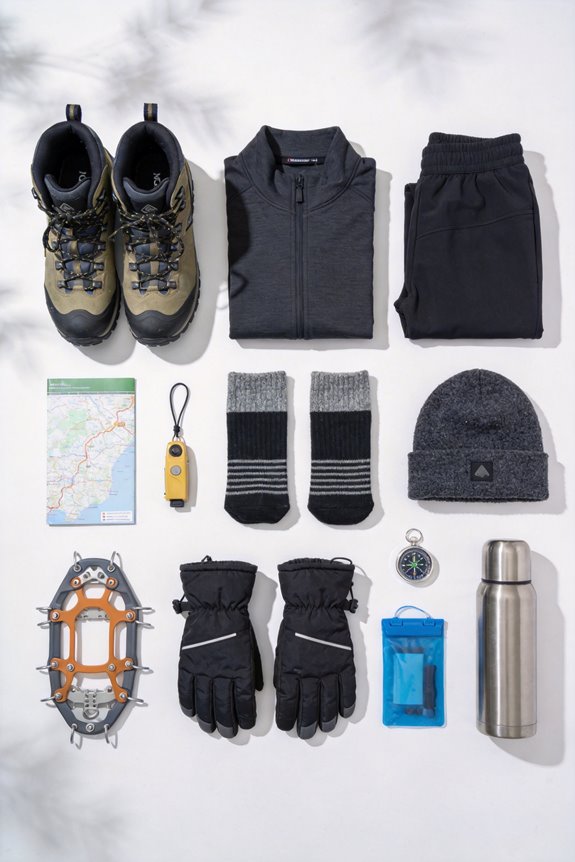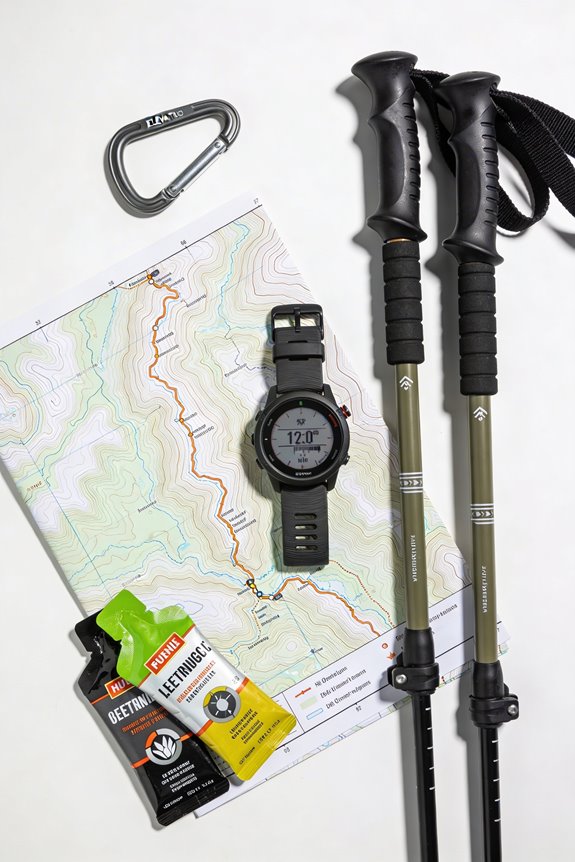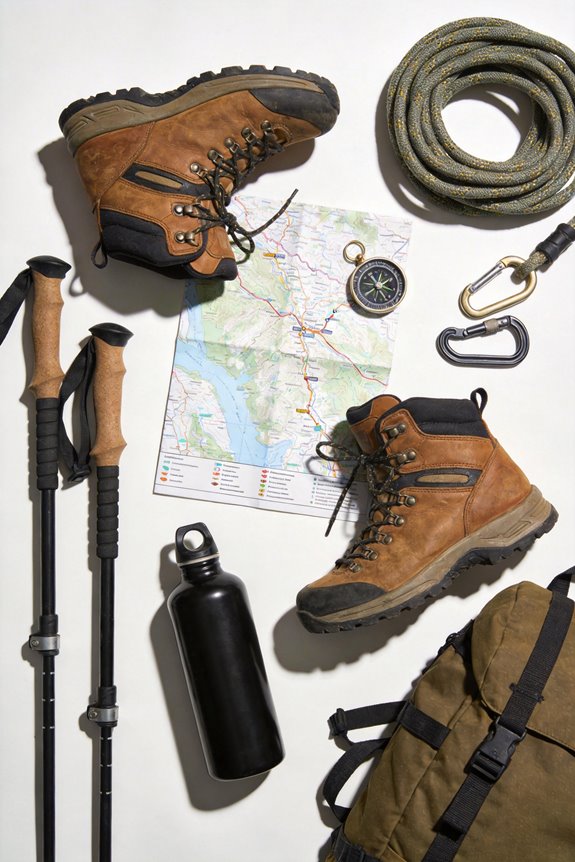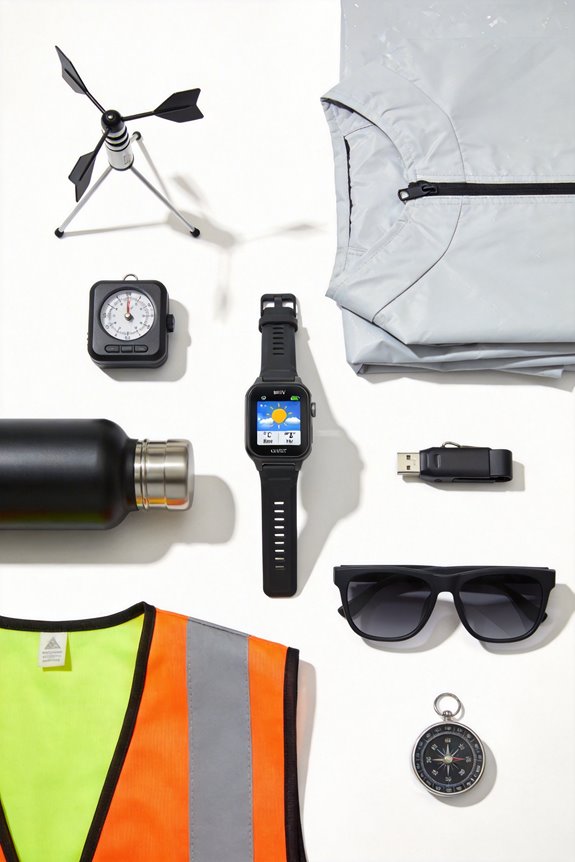

Understanding weather patterns is essential for our outdoor safety. We should monitor key factors like temperature, humidity, and barometric pressure. Knowing how to read weather maps helps us interpret symbols for rain or wind direction. Recognizing cold and warm fronts lets us prepare for sudden changes. It’s wise to dress in moisture-wicking fabrics like polyester or layered insulations such as fleece. If we stay informed of local weather alerts, we’ll better enjoy our activities regardless of conditions. More is yet to come.
Key Takeaways
- Recognize cold and warm fronts on weather maps to predict temperature shifts and precipitation types for better planning of outdoor activities.
- Monitor isobars to gauge wind strength, as closely spaced lines indicate stronger winds that can impact outdoor safety and comfort.
- Utilize satellite images to assess cloud formations, providing insight into potential storms and necessary precautions for your activities.
- Understand the wind chill effect to dress appropriately for outdoor conditions and maintain comfort during colder weather.
- Stay informed by using reliable weather apps and services, allowing for timely updates and safety alerts during your outdoor excursions.
Key Factors in Weather Forecasts to Monitor
Ever been caught in a surprise rainstorm without an umbrella? We’ve all been there. When planning outdoor activities, knowing what the weather has in store can make all the difference. So, keeping an eye on some key factors in weather forecasts is crucial.
Start by monitoring precipitation levels. If you see rain or snow in the forecast, it’s time to consider your gear. You’ll want a waterproof jacket or insulated coat if it looks like it’s going to get wet and cold. Nobody wants to be soaked or shivering halfway through a fun day outside.
Next, wind speed and direction can be a game changer. Strong winds can knock down branches or make hiking trails more challenging. It’s especially important to check this before heading to areas with tall trees or exposed terrain.
Another essential factor is cloud cover. Are those clouds thick or just light and fluffy? If clouds threaten to block the sun, it might mean a noticeable drop in temperature. You won’t want to be stuck wearing a t-shirt when it suddenly turns chilly.
Don’t forget about barometric pressure, either. Changes in pressure can signal upcoming weather patterns, helping you decide if it’s a good day for a picnic or time to hunker down indoors. Honestly, knowing this can really prepare you for whatever Mother Nature has in store.
Also, wearing waterproof rain pants with breathable membranes can keep you dry and comfortable when unexpected rain hits during outdoor activities.
Understanding Temperature, Humidity, and Pressure for Outdoor Safety

Understanding temperature, humidity, and pressure is so important for staying safe during outdoor adventures. Ever wonder why a hot day might feel way worse at the beach than in your backyard? Warmer air can hold more moisture, leading to that sticky feeling and potential heat exhaustion. Keeping an eye on relative humidity is crucial, too; high humidity can make even cooler temperatures feel uncomfortable and increase your risk of heat-related issues.
Barometric pressure can also be a lifesaver in planning your outings. Falling pressure often means a storm’s on the way, while rising pressure usually brings clearer skies. So, how can you keep track of these changes?
- Invest in a simple weather app or a personal weather station.
- Check local forecasts regularly.
- If you’re out and about, notice how your body feels in different conditions.
Additionally, using moisture-wicking fabrics during outdoor activities helps maintain comfort and prevents hypothermia in changing weather conditions.
The more informed you are about temperature, humidity, and pressure, the better decisions you’ll make for your outdoor plans. It can mean the difference between a fun day outside and an uncomfortable or even dangerous situation.
Reading Weather Maps: Interpreting Symbols and Predicting Changes
Ever stared at a weather map and felt completely lost? You’re not alone. It can be tough to decipher those symbols and figure out what the weather’s really up to. But once you get the hang of it, predicting the weather for your plans becomes a whole lot easier.
First up, let’s talk about the lines you see. Blue lines represent cold fronts, while red indicates warm fronts. Knowing these helps you anticipate if temperatures are going to drop or rise. Then you’ve got isobars, which are those blue or brown lines showing areas of equal pressure. When these lines are packed closely together, it’s a sure sign that the wind’s going to kick up a notch.
You’ll also notice symbols for different types of precipitation. Raindrops mean rain, snowflakes signal snow, and a mix might pop up too. Understanding these can make a difference when you’re deciding if you need an umbrella or winter gear.
Don’t forget about cloud cover! By checking satellite images, you can spot formations that might signal an impending storm or, conversely, steadily improving weather. So, why does this matter? Staying informed means you can plan your outdoor activities without getting caught in a surprise downpour or snowstorm.
In the end, it’s about being prepared. Weather maps are like a little window into Mother Nature’s plans. The ability to interpret these symbols can provide the same confidence and clarity as choosing seamless designs in athletic wear, helping you adapt smoothly to changing conditions. Next time you’re checking the weather, take a closer look at those symbols. What do you think you’ll discover?
Recognizing Weather Fronts: Effects on Outdoor Conditions
Have you ever planned a day outdoors, only to have the weather turn on you? Weather fronts can really shake things up, and knowing how they work can mean the difference between a fun outing and a wet, miserable experience. These fronts mark the boundaries where different air masses meet, and they can dramatically change what’s happening outside.
Cold fronts can move in fast, and often they bring intense storms. You might see heavy rain, thunderstorms, or even hail, all in just a matter of minutes. On the flip side, warm fronts tend to creep in slowly. They generally bring lighter rain and a gradual rise in temperature. So if you’re planning a picnic or hike, it pays to check the forecast and see which fronts are at play.
Occluded fronts? They’re a bit trickier. They combine the characteristics of both cold and warm fronts, leading to some complicated weather. Honestly, it can get confusing, but here’s the trick: keep an eye on where these fronts are and how they’re moving. This info can help you predict when conditions will change.
Plan ahead! Here are a few quick tips:
- Check weather apps or websites before heading out.
- Look for updates on where cold or warm fronts are located.
- Be prepared for sudden changes, carrying rain gear just in case.
To stay comfortable during outdoor activities regardless of weather changes, consider wearing breathable, waterproof gear that can handle moisture and keep you dry.
How to Prepare for Different Weather Conditions?
Preparation for different weather conditions is key when you want to spend time outdoors. Hot days can really sneak up on you, can’t they? Try this: wear light, loose fabrics—cotton or linen work wonders. And don’t forget to drink water; staying hydrated is crucial to avoid heat exhaustion.
When the temperature drops, layering is your best friend. Start with a moisture-wicking base layer, add an insulating layer for warmth, and top it off with a waterproof outer layer. This combo can really help keep you safe from hypothermia.
Thinking about venturing out in windy conditions? Choosing fitted windproof gear will keep you comfy and protected. And, hey, don’t forget to secure your gear. It’s easy to lose stuff when it’s blustery outside.
Rain in the forecast? Invest in high-quality waterproof clothing—and trust me, it’s worth the splurge. Protect your electronics, too; using waterproof covers can save you from a soggy disaster. Before you head out, always check the weather reports and take note of those severe weather terms like “Watch” and “Warning.” Knowing what they mean can make a world of difference in staying safe. Additionally, selecting breathable fabrics for your clothing enhances comfort by allowing air circulation, especially during physical activity outdoors.
Getting Ready for Rain, Snow, and Thunderstorms
Unpredictable weather can turn a fun outdoor trip into a headache, right? If you’re not properly prepared for rain, snow, and thunderstorms, things can get tricky fast. So, what’s the best way to get ready? Keep a close eye on the weather forecast for any signs of precipitation or severe weather alerts.
When it comes to gear, adjustable waterproof jackets made from breathable materials like Gore-Tex are a must. These jackets keep you dry without making you feel like you’re in a sauna. For snowy adventures, layering up is key. Consider wearing insulated layers like fleece or down to protect against hypothermia.
Now, let’s talk thunderstorms. They can sneak up on you, especially in the summer during late afternoons. If dark clouds roll in, it’s best to find shelter. Avoid open areas during lightning storms—it’s just not worth the risk.
Want to stay updated? Use radar and weather apps for real-time info. They’ll help you tweak your plans and pack the right gear to stay safe in ever-changing conditions. For rainy conditions, choosing a waterproof running jacket with reflective features can improve visibility and safety.
So, are you ready to embrace the elements and enjoy your next outdoor adventure? Remember, a little preparation can make all the difference!
Understanding Winds and Their Influence on Outdoor Activities
When you’re gearing up for outdoor adventures, have you ever stopped to think about how the wind can change your plans? Sure, rain can ruin a day, but gusty winds can totally throw you off too. For example, wind speed is measured in miles per hour (mph), and anything over 20 mph can toss your gear around and mess with your vision. Plus, the direction the wind blows can affect how chilly or humid it feels outside, which is something you definitely don’t want to overlook for your safety.
Try this: always check the wind with an anemometer before heading out. Getting a read on both speed and direction helps you plan better. And don’t forget about wind chill! For instance, when it’s 30°F and the wind’s at 15 mph, it can feel like a downright frosty 16°F—no thanks!
So, why does this matter? If you’re out in open spaces where it’s breezy, you need to be alert to potential hazards like branches that could fall.
Honestly, understanding wind conditions is just as vital as knowing the forecast for rain. Staying aware allows you to dodge tricky situations while making the most of the great outdoors. Just remember, planning around the wind is part of having a safe and enjoyable outing. What wind conditions have you noticed making a difference in your outdoor plans?
For ensuring your safety during outdoor workouts, consider using equipment designed with ergonomic features to reduce strain during physical activity.
Utilizing Real-Time Weather Monitoring Techniques
Ever been caught outside when the weather suddenly takes a turn for the worse? It can be a real drag, especially if you’re not prepared. That’s why staying informed with real-time weather monitoring techniques is crucial when you’re heading outdoors.
To start, be sure to download reliable weather apps. I’ve always found the National Weather Service (NWS) website to be a solid go-to for instant updates. And let’s not forget about having a NOAA Weather Radio. It’s a lifesaver, especially when you’re in remote areas where cell service might not be up to par.
You could also consider assigning someone in your group to be the weather watcher. This person can keep an eye on the sky and share any important information with everyone else. Honestly, it just makes sense—having a dedicated watcher can really ease worries and help keep the group safe.
Social media is another great tool for staying aware. Try following the NWS accounts, like @NWSBlacksburg on Twitter. It’s a quick way to catch updates and alerts without much hassle.
Also, understanding weather terminology is key. When you see terms like “Watch” and “Warning,” it’s essential to know the difference. A “Watch” means conditions are right for storms to develop, while a “Warning” indicates that a storm is currently happening. So, why does this matter? Knowing the lingo can literally save your life when you’re out on an adventure.
Incorporating regular relaxation techniques such as using an acupressure mat can help reduce stress and improve your focus during outdoor activities.
In the end, staying informed about real-time weather can make your outdoor experiences much safer and more enjoyable. What strategies have you found helpful for weather monitoring when you’re out in the wild?
Tools and Resources for Staying Updated on Weather Changes
Ever found yourself caught in a sudden downpour while hiking? It’s not fun, right? Staying informed about changing weather conditions can save you from those soggy mishaps.
To get accurate forecasts, check out reliable weather websites and apps like the National Weather Service (NWS) and Mountain-Forecast. They’re pretty straightforward and handy. Don’t forget to sign up for alerts from NOAA Weather Radio or your local media; that way, you can get real-time updates about severe weather events straight to your phone.
Make it a habit to check the weather forecast at least once a day. Familiarize yourself with the weather symbols too—it’s crucial for understanding what those forecasts really mean. Plus, designating someone as your group’s “weather watcher” can really ease the tension. This person can keep an eye on any changes while you’re out exploring.
Honestly, having multiple resources for weather information can boost your safety during outdoor adventures. Imagine enjoying a beautiful day, only to find out it’s about to storm—yikes, right?
Pairing your gear with durable and versatile outdoor clothing can also help you adapt comfortably to sudden weather changes, enhancing your overall safety and experience.
Strategies for Enjoying Outdoor Activities in Various Weather Conditions
Unexpected weather can really mess up your outdoor plans, right? But don’t let a little rain or chilly air get you down! With some straightforward strategies, you can still enjoy your favorite activities no matter what Mother Nature throws at you.
First off, keeping an eye on the weather forecast is crucial. Check for temperature ranges and chances of rain so you can make any necessary changes to your plans. Nobody wants to get caught in a surprise downpour, especially if you’re hiking or biking. If you can, try to get your activities in early—this way, you can dodge those pesky afternoon thunderstorms that seem to pop up out of nowhere.
When it comes to dressing for the weather, it’s all about layers. For those cooler days, wearing moisture-wicking polyester and fleece can really keep you warm without weighing you down. And if it’s hot outside, go for lightweight, breathable fabrics like nylon to stay cool. Here’s a tip: always pack extra layers just in case the weather takes a turn.
Staying hydrated is another biggie, so don’t forget your water bottle! It’s also smart to slather on some sunscreen, wear a hat, and sling on those sunglasses to protect yourself from the sun’s rays. Honestly, you don’t want to end up burnt or dehydrated when you’re trying to have a good time outdoors.
It’s also worth your time to be familiar with severe weather alerts like “Watch” and “Warning.” So, why does this matter? Being in the know can really help you react quickly if the weather takes a dangerous turn. You want to enjoy your adventure, not find yourself in a tough spot because you missed an alert.
Additionally, using a hydration pack designed for outdoor activities can help maintain your water intake efficiently during long outings.
To wrap it up, outdoor fun doesn’t have to stop because of a little weather. With the right prep, you can tackle those elements head-on and still have a great time. What’s your go-to strategy for enjoying the outdoors, rain or shine?
Frequently Asked Questions
How Can Understanding Weather Patterns Help in Daily Life?
Did you know that accurate forecasts can improve our daily planning by up to 80%? By understanding temperature trends and forecast accuracy, we can better navigate our day, making safer and more enjoyable choices together.
How Does the Weather Affect Outdoor Activities?
The weather greatly affects our outdoor activities; rainy excursions can dampen our spirits, while temperature fluctuations may lead us to rethink our plans. Staying informed helps us choose the best times for enjoying nature together.
How Will You Ensure Your Safety During Outdoor Activities?
We’ve learned the hard way—like that surprise storm during our hike—to always check weather forecasts and pack safety gear. That way, we stay prepared and can truly enjoy our time outdoors without worry.
Why Is It Useful to Understand Weather Patterns?
Understanding weather patterns is essential for us; it helps us anticipate meteorological trends and utilize forecasting techniques effectively. By doing so, we’re better prepared for potential changes in conditions during our outdoor adventures.