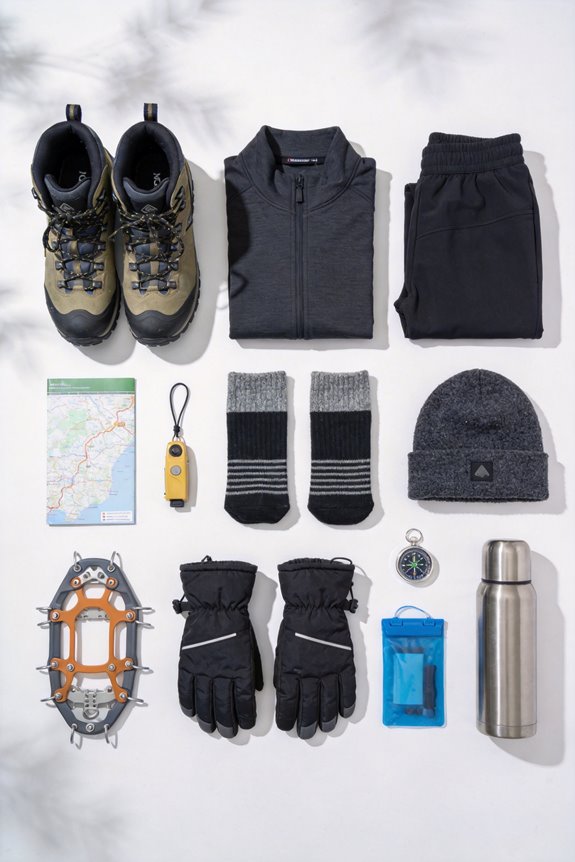
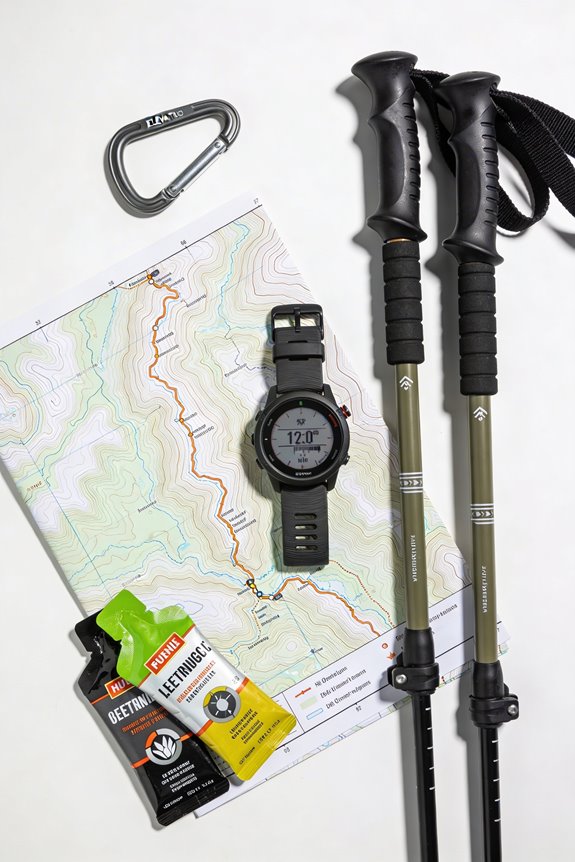
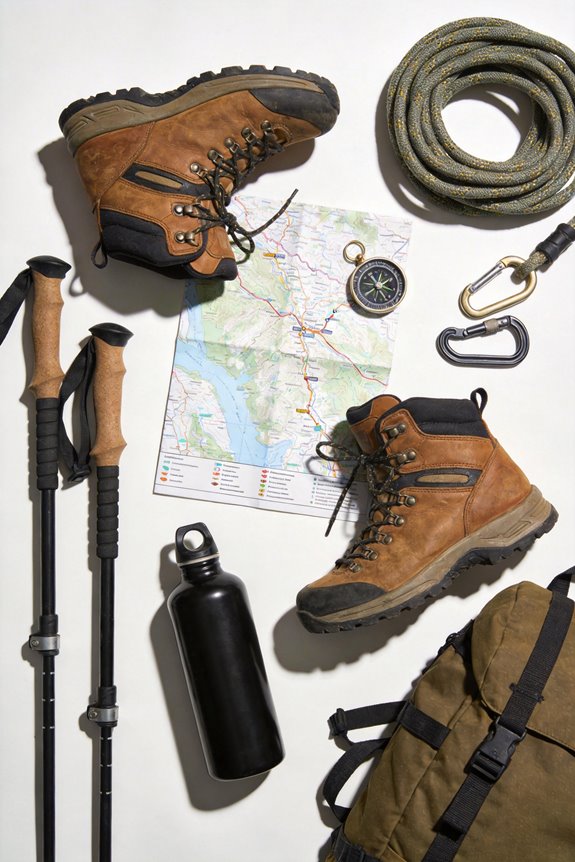
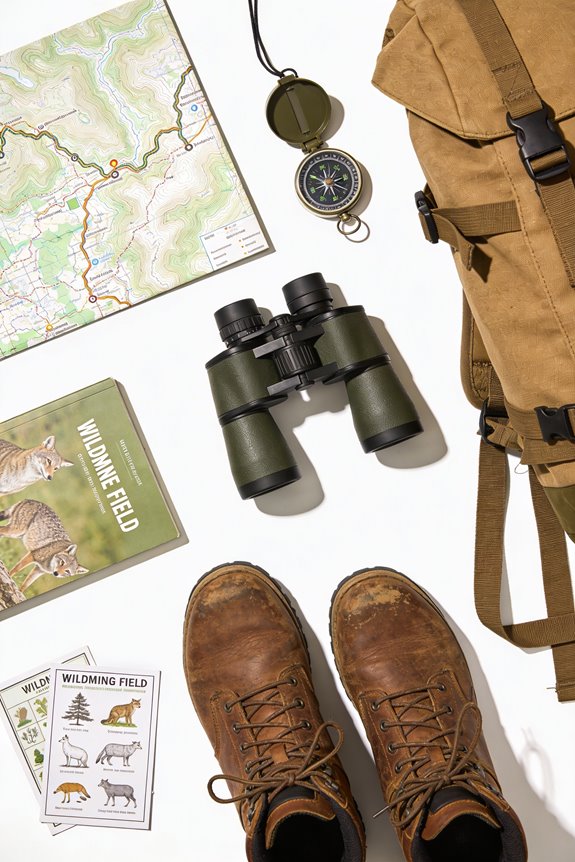
To build hiking endurance for multi-day treks, we should create a structured plan: start with short 90-minute hikes and increase mileage by 15% weekly. Incorporate 3-5 cardio sessions and strength workouts for key muscle groups. Use a weighted backpack on longer hikes to simulate conditions. Focus on nutrition by packing on-trail snacks with carbs, protein, and fats; guarantee proper hydration. Consistent elevation training, like uphill walks, will prepare us for tougher trails. More details will follow.
Key Takeaways
- Gradually increase your hiking mileage by 15% weekly, building a solid endurance base for multi-day trekking.
- Incorporate varied terrains and elevations into your training to simulate real hiking conditions and challenges.
- Schedule long hikes weekly, aiming for 4-5 hour duration, to enhance stamina and prepare for multi-day excursions.
- Focus on strength training for key muscle groups, including legs and core, to support endurance during extended hikes.
- Prioritize proper nutrition and hydration strategies, testing them during training to ensure effectiveness on multi-day treks.
How to Build Hiking Endurance for Multi-Day Treks
Are you gearing up for a multi-day trek and worried about your hiking endurance? You’re not alone. Building that stamina takes some planning, but it’s totally doable with the right approach.
Start by gradually increasing your weekly hiking mileage. A good rule of thumb is to stick to a 15% increase each week. This smart strategy helps you avoid injuries while getting your body used to the demands of longer hikes. Dedicate time for at least one long hike over the weekend. Begin with shorter distances and work your way up to 4-5 hours as you feel stronger.
Strength training is another key piece of the puzzle. Aim for 2-3 sessions a week focusing on your quads, glutes, and core. These muscles play a significant role when you’re out on the trail. You might also consider mix in different terrains and elevations during your hikes to mimic real conditions. So, why does this matter? You’ll be prepared for whatever the trail throws at you!
Don’t forget about your fuel. Eating a balanced diet and staying hydrated go hand-in-hand with building endurance and helping your recovery. It’s no secret that what you put in your body can make or break your performance out there.
Wearing lightweight nylon fabric hiking pants can help keep you comfortable and dry, enhancing your endurance on the trail.
In short, building hiking endurance for multi-day treks is about consistent progress and proper preparation. Are you ready to hit the trails, stronger than ever?
Essential Fitness Components for Multi-Day Trek Success

Are you gearing up for a multi-day trek? If so, knowing the right fitness components can make all the difference between a great adventure and a grueling struggle. Let’s break this down simply: you want to be prepared, and here’s how you can do it.
Try mixing up your cardio with 3-5 sessions a week. Whether it’s running, cycling, or swimming, these workouts are key to boosting your aerobic capacity. It’ll help your endurance when you’re out there hiking mile after mile.
Strength training shouldn’t be overlooked either. Focus on leg workouts like squats and step-ups at least 2-3 times a week. These exercises target your legs, hips, core, and back, which are all crucial for handling tough terrain. If you want to feel strong as you climb those hills, these workouts are a must.
So, why does gradually increasing your hiking mileage matter? You’ll want to bump it up by no more than 15% each week. This method not only protects you from injuries but also gets your body used to longer hikes without burning out. That’s a smart way to build stamina without overdoing it.
Don’t forget about the basics—proper nutrition and hydration are vital too. Fueling your body right supports recovery and keeps your energy levels up, which you’ll definitely need during those long days on the trail.
Additionally, incorporating skin-friendly sanitizers into your routine can help maintain hygiene and health during your trek, especially when using shared trekking gear or rest stops.
In short, training for a multi-day trek involves a good mix of cardio, strength work, and smart planning. What are you waiting for? Start making a plan to get your body ready for that adventure!
Developing a Gradual Training Ramp-Up Strategy for Endurance

Have you ever set out on a long hike only to feel your legs start to burn before you’ve even reached the halfway point? It’s a common struggle for many outdoor lovers. Thankfully, there’s a way to build your hiking endurance so you can tackle those trails without feeling like you’ve run a marathon.
First off, it’s vital to ramp up your hiking game slowly. Aim to increase your weekly mileage by no more than 15%. This way, your body has time to adapt and get stronger. Start with some rest days to allow your muscles to repair; as you progress, you can start to cut back on those rest days. Depending on your starting point and what you want to achieve, plan for a ramp-up period of around 10 to 20 weeks.
Here’s the trick: when you’re training, throw on a weighted backpack. It mimics the conditions you’ll face on real treks. Start with a little weight and gradually build it up. You’ll be amazed at how it prepares your body for the challenges ahead.
Now, let’s talk about your weekly hikes. Try carving out time for a long hike each week. Start with about 90 minutes, then sneak in extra time as you get more comfortable—shooting for 4-5 hours over varied terrain. This will help you not just build stamina but also challenge yourself.
Wearing comfortable and breathable gear, such as moisture-wicking fabrics, can greatly enhance your training sessions by managing sweat and preventing irritation.
So, why does this matter? It’s all about ensuring that when you hit those trails, you’re ready and can enjoy every moment rather than just pushing through the pain.
In short, taking a gradual approach to building your endurance can make all the difference. What’s your next big hiking goal?
Integrating Elevation Into Your Training Routine
Ever tried hiking a steep trail only to find yourself out of breath halfway up? If you’ve been there, integrating elevation into your training could be your answer. So, how do you prepare your body for those tough climbs? It starts with building a solid foundation.
Begin with flat walks and then gradually ramp up the elevation gain by a few hundred feet each week. It’s important to challenge your legs and heart! Incorporate both uphill and downhill training; this will really get your body accustomed to what you’ll face on a multi-day trek. If you can’t make it outdoors, don’t worry! Using staircases or inclined treadmills is a great way to simulate those elevation changes.
Here’s the trick: set aside time for at least one long hike every week that includes noticeable elevation gains and diverse surfaces. This consistent exposure to tougher trails is key. It helps reduce fatigue and muscle soreness, keeping you ready for several days on the trails.
So, why does this matter? If you’re serious about improving your hiking endurance, you must train effectively. Truth is, the more prepared you are, the more you’ll enjoy the journey. Remember, it’s all about gradually building your stamina and testing your limits.
Additionally, wearing UPF 50+ sun shirts during training can protect your skin from harmful UV rays while keeping you cool and comfortable.
Ready to hit the trails? Just keep pushing yourself and make those adjustments along the way. Each step you take now will make a difference later on. Happy hiking!
The Importance of Strength Training in Building Hiking Endurance
Are you struggling to keep up on those long hikes? It’s frustrating to feel worn out when you’re trying to enjoy the great outdoors. While simply hiking more often can boost your endurance, there’s another piece of the puzzle that really matters: strength training.
Strength training focuses on building the key muscle groups you’ll rely on during a hike. Think about your quads, glutes, core, and calves. These muscles are vital for stamina, especially when you’re tackling a multi-day hike. Incorporating some simple exercises can go a long way. Here are a few to consider:
- Squats
- Lunges
- Step-ups
Aim to get in 2 to 3 sessions each week. Not only does this build leg strength, but it also enhances your stability. The best part is, you’ll find it easier to carry a heavier pack without feeling as fatigued.
So, why does this matter? Strength training simulates the conditions you’ll face while hiking. This helps your body adapt to various physical demands and recover quicker after each adventure. Plus, by working on those muscular imbalances, you can prevent injuries, which means you can navigate those rocky trails with more confidence.
In addition, wearing workout pants made from breathable moisture-wicking fabrics can improve comfort during training sessions and hikes.
In the end, a mix of hiking and strength training can set you up for success on the trail. Are you ready to give it a shot?
How to Optimize Nutrition and Hydration for Your Hikes
Planning your nutrition and hydration for hikes isn’t just a good idea—it’s essential. You want to stay fueled and refreshed, right? That means preparing some tasty on-trail snacks that mix carbs, protein, and fats. It’s super handy to stash these goodies in your hip belt or the top of your pack for easy access.
Meal prep is another key piece of the puzzle. Make sure you’re loading up on well-rounded meals before hitting the trail, especially those packed with protein sources like tuna or protein powders to support muscle recovery. And after a long trek, don’t forget to check in on your hydration levels. A quick look at your urine color can tell you how you’re doing—aim for a clear to straw shade to ensure you’re in the sweet spot.
Here’s the trick: a post-hike snack rich in both carbs and protein is your best friend for recovery. It’ll get you ready for whatever adventures come your way next. If your appetite isn’t quite there, don’t stress—just whip up a quick protein shake with water. To aid in muscle soothing and recovery after long hikes, consider soaking in a bath with Epsom salts.
How to Know You’re Ready for Your Trek?
Ready for a trek? It’s not just about tossing some snacks and water into your pack. You really need to think about how fit you are. First off, consider if you’ve been able to handle longer training hikes—ideally ones that exceed your planned daily mileage by 20-30%. This is key for building up your endurance.
Don’t forget to keep an eye on how you feel afterward, especially if you’ve hiked back-to-back days. It’s all about making sure you can keep going without feeling wiped out. Also, committing to strength and endurance workouts a couple of times each week is crucial. Make sure you’re focusing on those muscles that are critical for hiking.
Now, let’s talk about food and hydration. Have you tested your nutrition strategies? You want to make sure you’re fueling your body properly to maintain energy on the trail. Truth is, how you hydrate and what you eat can make all the difference on a long trek.
Lastly, pay attention to the 10% Over-Goal Guideline as you ramp up your training intensity and mileage. This can be a lifesaver in preventing injuries.
In addition to physical preparation, consider gear choices that support endurance, such as insulated gloves designed for breathability and dexterity, to keep your hands comfortable during cold-weather hikes.
All in all, getting ready for a hike is about much more than just enthusiasm—it’s about preparation. Are you up for the challenge?
Customizing Your Training Plan for Optimal Hiking Endurance
How can you customize your training plan for the best hiking endurance? It starts with gradually ramping up your weekly mileage—keep it to about a 15% increase. This strategy is key because it helps build your endurance while keeping injury risks at bay.
To prepare for a multi-day trek, mix up your cardio routine. Think of activities like running, cycling, or swimming—aim for about 3 to 5 sessions each week. This variety not only keeps things interesting but also boosts your overall cardiovascular fitness.
Don’t forget about strength training! Try incorporating it 2 to 3 times a week, and throw in exercises that target your quads, glutes, and core. These muscle groups are essential for the ups and downs of hiking, and they’ll really pay off when you’re out on the trail.
Planning a long hike each week can also simulate what you’ll face on multi-day adventures. Gradually increase the distance and elevation gain, and soon enough you’ll be ready for anything Mother Nature throws at you.
Recovery days are just as important, so make sure to include those in your schedule. And don’t overlook hydration and balanced nutrition; they’re crucial for muscle recovery and keeping your stamina up.
Incorporating resistance bands into your training can enhance muscle strength and flexibility, providing an effective way to customize workout intensity and support endurance building.
Frequently Asked Questions
How to Get Fit for a Multi-Day Hike?
To get fit for a multi-day hike, we can release our inner gazelles through trail running, crush strength training routines, and tackle long hikes like we’re preparing for an Olympic marathon. Let’s conquer those trails!
How to Build Endurance for Long Hikes?
To build endurance for long hikes, we should focus on a mix of cardio workouts and strength training. Let’s incorporate regular hikes, gradually increase our mileage, and maintain a balanced diet for peak performance.
How Long Does It Take to Build Endurance for Hiking?
It usually takes us 10 to 20 weeks to build hiking endurance. By increasing hiking frequency and incorporating altitude training, we can effectively boost our stamina and adapt to longer and more challenging treks together.
How Heavy Should My Pack Be for a 3 Day Hike?
For a 3-day hike, our pack weight should ideally be 20-25% of our body weight, ensuring we maintain comfort levels. We’ve gotta remember, lighter packs lead to better agility and less fatigue on our journey!