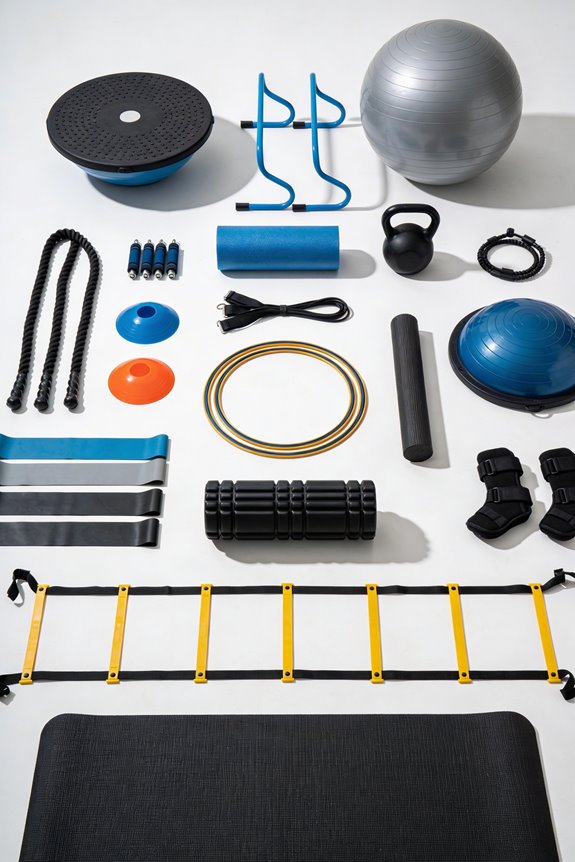

Proprioception is our body’s ability to sense its position and movement, which is essential for ideal athletic performance. It helps with balance and coordination, allowing us to react quickly. By understanding how proprioceptors work in our muscles, tendons, and joints, we can enhance our motor skills. Effective proprioceptive training, like balance exercises, improves stability and reduces injury risks. This training is important for athletes, as it supports better performance and recovery, and there’s more significant information to explore.
Key Takeaways
- Proprioception enables athletes to maintain body awareness and spatial orientation, crucial for effective movement and coordination during athletic activities.
- Proprioceptors provide constant feedback on limb and body position, enhancing balance and stability essential for injury prevention.
- Improved proprioceptive skills lead to quicker reactions and better motor control, optimizing overall athletic performance in competitive environments.
- Proprioception training, such as balance exercises, fosters better movement patterns and reduces injury risks among athletes.
- Enhanced proprioceptive abilities benefit overall quality of life, improving posture and body alignment in daily activities outside of sports.
What Is Proprioception and Why Is It Essential for Athletes?
Have you ever wondered why some athletes seem to move effortlessly, while others struggle with basic coordination? Proprioception could be the key. It’s our body’s ability to sense where we are in space and how we’re moving. This awareness is crucial for athletes because it allows them to perform those complex movements without constantly relying on what they see.
Effective proprioception impacts a lot of factors like balance, motor control, and coordination. So, if you want to step up your game, proprioceptive training is something you should definitely consider. It can really boost your agility and stability, and let’s be honest—that’s super important when you’re trying to avoid injuries while pushing your limits in high-intensity sports.
Our proprioceptors—those little sensors in our muscles, tendons, and joints—are constantly sending information to our brains about our body’s position. This helps refine your joint position sense, which is huge for athletes. Try this: incorporate some proprioceptive exercises into your routine. Simple movements like balancing on one leg or using a balance board can make a world of difference.
The best part is, working on your proprioception not only improves your performance but also helps you react faster in tough situations on the field or court. Think about it: how much better would you perform if your body could instinctively adjust to unexpected movements? It’s what often sets the top performers apart from those who might struggle.
Additionally, athletes can enhance comfort and performance with moisture-wicking fabrics that keep the body cool and dry during intense training sessions.
The Science Behind How Our Bodies Sense Movement
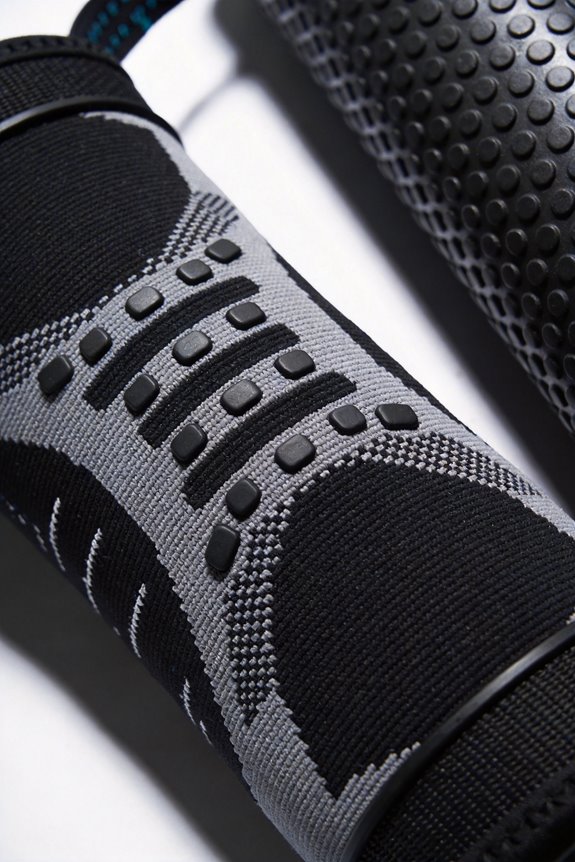
Do you ever find yourself wobbling a bit more than you’d like during exercises? That could be a sign that your body’s sense of movement, known as proprioception, might need a little boost. It’s fascinating how our bodies work—sensory receptors like muscle spindles and Golgi tendon organs send constant updates about joint positions to our nervous system. This info is crucial for knowing where we are in space, which is key to being able to move effectively.
Here’s the trick: balancing exercises are a great way to sharpen your proprioceptive abilities. Improving this aspect not only enhances your body awareness but also helps you perform better in sports and daily activities. Think about it—being more aware of your body’s position can make a huge difference, especially when you’re trying to stay steady during workouts or even just walking around.
And don’t forget, your proprioceptive system doesn’t work in isolation. It also pulls in data from your visual and vestibular systems, which help you stay oriented, even if you can’t see what’s around you. So, why does this matter? Well, as we age, these systems can weaken, putting us at a higher risk for falls and injuries.
Try this: include balance-focused workouts like yoga or stability ball exercises in your routine. Over time, you might notice an improvement not just in your balance but in your confidence during physical activity.
Truth is, being proactive about your proprioception can pay off big time. A little attention here can lead to steadier movements and safer workouts. Wearing athletic shorts with enhanced mobility can also support your performance by allowing unrestricted movement during these balance exercises. So, how will you start incorporating balance training into your life?
Enhancing Athletic Performance With Proprioception
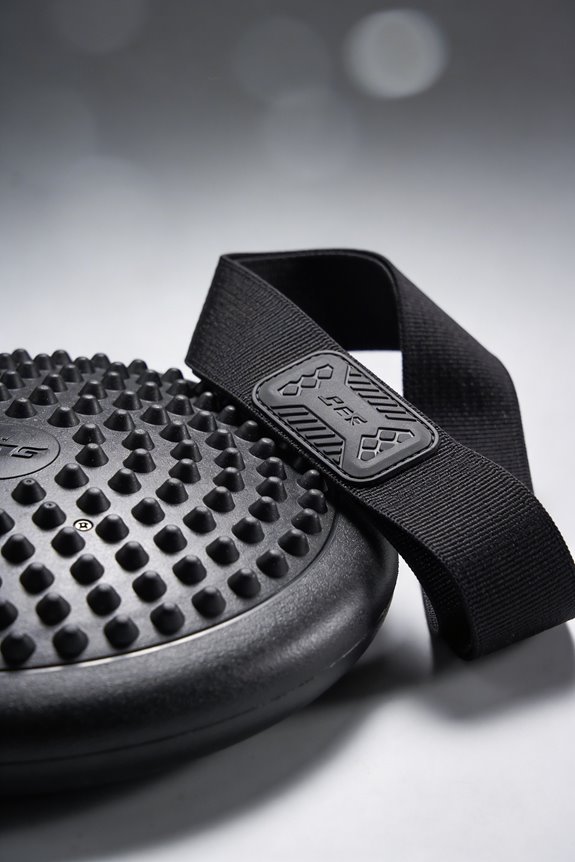
When it comes to improving athletic performance, have you ever considered proprioception? It’s that sense of where your body is in space, and it plays a huge role in how well you balance and move. Think about it—when you’re in the middle of a game, you need to make quick adjustments. That’s where proprioception training can really make a difference.
Engaging in exercises that focus on proprioception can boost your movement control. You might want to try using balance boards or stability balls. These tools can improve your stability, helping you stay on your feet during dynamic plays. For elite athletes performing under pressure, precise movements are crucial. Training your proprioception means you’ll react faster and adjust your posture more quickly when it counts.
So, what about sport-specific proprioception? Depending on your sport, you might focus on certain areas that will help you perform even better. For example, if you’re a pitcher, you could work on stability exercises that specifically benefit your throwing arm. Tennis players may need to focus on shoulder proprioception. This targeted training can lead to better consistency in your performance and decrease your chance of injury.
The best part? By putting more emphasis on proprioception, you’re taking a big step toward enhancing your overall performance. It’s worth incorporating these exercises into your routine. Also, wearing high-waisted leggings with proper support can help maintain posture and core stability during proprioception exercises. What steps are you going to take today to enhance your proprioceptive skills?
Identifying Proprioception Issues in Athletes and Their Effects on Performance
Have you ever noticed how some athletes just seem to glide through complex maneuvers while others struggle with their balance? If you’re in the latter group, it might be due to proprioception issues. Proprioception is your body’s ability to sense where it is in space, and when it’s not functioning well, it can seriously limit your performance. Symptoms like frequently tripping or feeling uncoordinated can be a big red flag, not to mention they usually slow down your reaction time, too.
As we get older, it’s common for proprioceptive sensitivity to take a dip, and that increases the chances of getting injured. You might be asking yourself, “So, why does this matter for performance?” Well, poor proprioception can affect everything from your balance to your agility. If left unchecked, it could interfere with your training and competition outcomes.
To get a grasp on your proprioceptive strengths and weaknesses, consider trying a couple of simple assessments like the Romberg test or dynamic balance tasks. These can reveal valuable insights into your body’s spatial awareness.
Here’s the trick: don’t wait until you start stumbling to address these issues. Proprioceptive training can make a real difference. Incorporate balance exercises into your routine; even just adding activities like single-leg stands or balance board work can enhance your sensorimotor function. Using tools with textured surfaces designed for grip and stability, like certain slam balls, can also help improve coordination and control during workouts.
The best part? This proactive approach can not only boost your athletic performance but also significantly lower your risk of injuries when you’re out there competing or training hard.
To wrap it up, understanding and improving your proprioception can really be a key factor in your athletic journey. Are you ready to take a closer look at how you can enhance your balance and coordination?
Assessing Proprioception Techniques for Athletes
Want to boost your athletic performance and keep injuries at bay? Proprioception plays a huge role in that. It’s all about your body’s ability to sense where it is in space. Here’s how you can assess and improve it.
Start by trying out some balance tests. The Romberg test and single-leg stance are two solid options. These movements are simple but they really help measure your body’s stability and coordination during sports activities. Ever thought about using some cool tools? Stability balls and balance boards can do wonders for your proprioceptive training. They improve your neuromuscular control and help activate the muscles you might not even realize you’re using.
Now, if you’re looking for a fun challenge, consider hitting the water. Water training adds an element of instability, which is perfect for enhancing your balance skills. It forces your body to adapt, keeping you on your toes—literally! Plus, if you’re serious about understanding your movement patterns, technology like force plates and motion capture systems can provide some pretty detailed insights.
Here’s the trick: incorporating these assessments into your regular training can help minimize the risk of injuries. You’ll find that better body awareness and improved motor control allow for more precise adjustments during those dynamic movements. Wearing comfortable workout gear such as oversized gym tanks can also enhance freedom of movement and overall training performance.
Effective Proprioceptive Training Exercises for Improved Performance
Ever find yourself struggling to maintain balance during a workout or a game? You’re definitely not alone. Many athletes overlook proprioceptive training, but it’s a crucial piece of the puzzle when it comes to boosting your performance and keeping injuries at bay.
Proprioceptive training can really help you enhance your balance and body awareness. Consider incorporating some tools into your routine:
- Balance boards: These are great to improve your core stability and coordination.
- Stability balls: They promote muscle strength while challenging your neuromuscular control.
- Agility drills and single-leg stands: These dynamic movements test your sensorimotor function, which can lead to greater agility on the field or court.
Ever tried water training? It introduces some unique challenges with its three-dimensional instability, making it excellent for improving both balance and core stability. Plus, the water environment prepares you to handle unexpected forces that come your way in sports.
If you play specific sports like baseball or tennis, don’t forget to include exercises tailored for those activities. Customized drills can effectively target your unique needs, which might give you that extra edge you’re looking for.
And here’s the trick: creating a structured proprioceptive training program can really take your performance to the next level. Think about it; integrating these exercises into your regular routine could lead to some pretty significant improvements in both balance and injury prevention. Using tools like resistance bands with multiple resistance levels can further enhance your proprioceptive training by providing variable muscle engagement and support during exercises.
The Role of Proprioception in Injury Prevention and Rehabilitation
When it comes to injuries, have you ever wondered why some people seem to bounce back while others struggle? Proprioception, or how our bodies perceive movement and positioning, plays a key role here. By becoming more aware of where our joints are and how our bodies move, we can actually prevent accidents that lead to injuries.
So, what can you do? Incorporate proprioceptive exercises into your routine. These exercises can significantly improve your balance and boost sensory feedback during any physical activity. Studies have found that those who focus on these drills recover faster from injuries, particularly ankle sprains and ACL issues. It’s impressive how simply training your proprioceptive skills can help maintain proper biomechanics and steer you clear of compensatory injuries down the line.
During rehab, proprioceptive training is important too. Truth is, it helps with the neurocognitive side of things, which is crucial for getting back to your old movement patterns. Consistent practice in this area can pave the way for a smoother recovery from sports injuries, allowing you to return to the game stronger than before. Using tools like muscle rollers can further enhance proprioceptive feedback by aiding muscle relaxation and improving flexibility.
Aging and How It Affects Proprioception in Athletes
As we get older, one thing you might notice is that your balance and coordination start to change. It’s frustrating, right? This decline in proprioception, which is basically your body’s ability to sense where it is in space, can really throw a wrench into your athletic performance. Research has shown that older athletes often struggle with proprioceptive sensitivity due to changes in how their muscle spindles work. This leads to less stability and slower reaction times, which increases the risk of injuries.
So, what can you do about it? Targeted training can help, especially balance exercises. Here are a few tips for keeping your proprioception sharp:
- Incorporate balance exercises into your routine.
- Try standing on one leg or using a balance board.
- Add some yoga or tai chi for coordination and stability.
These kinds of workouts can boost your proprioceptive abilities and help you maintain your independence and improve your overall performance. The best part is that focusing on stability and coordination through these specific exercises can significantly lower your injury risks as you age.
Honestly, keeping your balance and coordination intact is crucial for staying active and enjoying your favorite sports. So, how are you planning to tackle this challenge? Remember, it’s all about finding the right training that fits your lifestyle. Additionally, choosing the right gear with features like supportive materials can enhance your comfort and performance during training.
What’s Next for Proprioception Training in Sports?
What if you could boost your athletic performance and cut down on injuries just by sharpening your sense of balance? Proprioception training is a fantastic way to do just that, giving athletes the tools they need to stay steady even when the pressure’s on. By diving into water training programs, you can really put your proprioceptive skills to the test with all those constant movements that require quick reflexes.
Try incorporating tools like TAP® Dynamic Arm Tubing and Khaos® water-based trainers into your routine. They’re great for enhancing that all-important proprioceptive feedback while also building strength and coordination. And don’t forget about including sport-specific exercises tailored to your activity, whether it’s baseball, volleyball, or something else entirely. These not only polish your movement patterns but also lower your chances of getting injured.
So, why does this matter? As technology continues to advance, athletes have more chances than ever to enhance their training. Real-time feedback tools, like virtual reality and wearable sensors, are on the rise, and they can really take your proprioceptive abilities to the next level.
In addition, maintaining high-quality materials in your training equipment enhances durability and ensures consistent performance benefits throughout your athletic regimen.
The bottom line? By focusing on proprioception training, you can boost your overall performance in any physical activity. So, what will you try first to up your training game?
Frequently Asked Questions
Why Is Proprioception Important for Athletes?
Proprioception’s essential for us athletes, enhancing our balance training and coordination skills. It boosts body awareness and movement efficiency, aiding injury prevention and recovery through targeted proprioceptive exercises, ultimately driving our athletic performance and strength gains.
Why Is Proprioception Important for Movement?
Proprioception’s essential for movement; it enhances balance control and body awareness, ensuring movement efficiency. We’re less prone to injury, improving coordination skills and sensory feedback, important for athletic performance and dynamic stability in all activities we pursue.
What Is the Role of Proprioceptors During Exercise?
Proprioceptors play a vital role in exercise by providing sensory feedback for muscle coordination and joint stability. They enhance balance training, support injury prevention, and refine functional movement, improving exercise form and neuromuscular control through reflex responses.
What Are Some Practical Uses of Proprioceptors in Athletic and Clinical Settings?
We can leverage proprioceptors through balance training, coordination drills, and rehabilitation exercises for improved athletic performance. These practices enhance dynamic stability, injury prevention, and effective recovery strategies by utilizing proprioceptive feedback for better sensorimotor integration in sport-specific applications.