
Being aware of wildlife makes us better hikers. It helps us anticipate animal encounters, keep a safe distance, and minimize stress for both us and wildlife. We should recognize tracks and know safety guidelines, like making noise to alert animals of our presence. Understanding local species enhances our experience, while proper food storage prevents unwanted wildlife interactions. Practicing these principles not only enriches our hikes but also promotes conservation. There’s more we can explore about enhancing our outdoor adventures.
Key Takeaways
- Understanding local wildlife helps predict encounters, ensuring safer and more enjoyable hiking experiences.
- Awareness of animal behavior promotes respectful interactions and reduces stress on wildlife during breeding seasons.
- Recognizing animal tracks enhances your hiking experience by connecting you to the ecosystem.
- Properly storing food and avoiding feeding wildlife contributes to healthier environments and prevents dangerous encounters.
- Familiarity with safety guidelines and local species increases preparedness and minimizes unexpected trail situations.
Recognize the Impact of Human Activity on Wildlife
When you’re out enjoying nature, have you ever stopped to think about how your visit affects the wildlife around you? It’s pretty wild (no pun intended) to realize that our presence can change animal behavior. For instance, animals might become more skittish or on edge, which can throw off their natural routines. This effect is especially critical during the breeding season when unexpected encounters can lead to a lot of stress for wildlife.
So, what’s the best way to be a considerate hiker? Following seasonal hiking guidelines is a smart move. When you’re in a group, it’s also good to keep noise levels down. Loud chatter can scare away animals before you even have a chance to see them.
To keep wildlife safe and happy, try this: Maintain a distance of at least 50 yards from any animals you spot. This not only keeps you safe but gives them the space they need to thrive. Honestly, understanding how wildlife responds to our activities can help us reduce disturbances.
You might wonder, why does all this matter? It’s about balancing our enjoyment of nature with the well-being of the ecosystems we love to explore. Being mindful of your impact can encourage responsible trail use, making every hike enjoyable for you and every creature you might encounter.
In short, we all have a part to play in preserving nature. The next time you hit the trails, think about how you can hike with both respect and awareness. What small steps can you take to make a difference on your next adventure? Remember to wear comfortable gear with functional features like breathable materials to keep yourself fit and focused on the trail.
How Awareness Enhances Your Safety and Enjoyment on the Trail
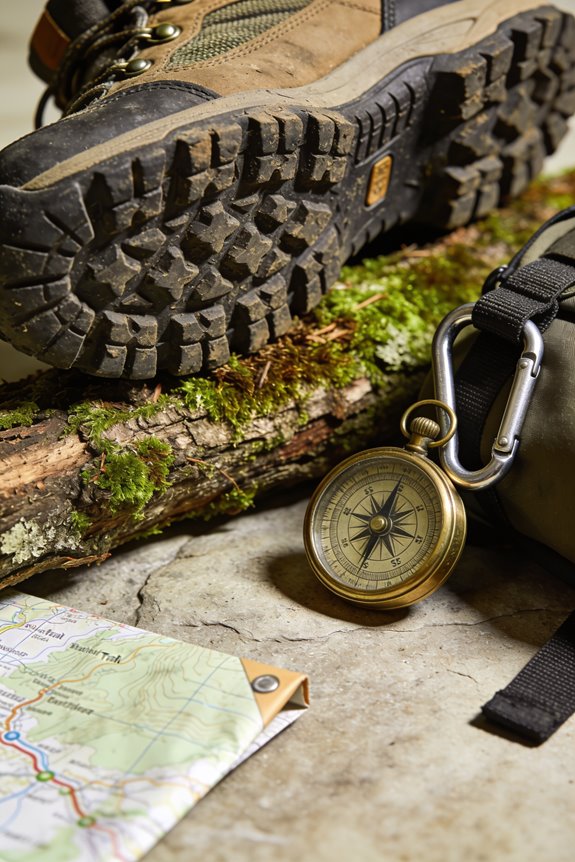
Ever hiked a trail and suddenly found yourself face-to-face with a wild animal? It can be a thrilling experience, but it often leads to panic if you’re not prepared. Being aware of wildlife on the trail is key to staying safe and enjoying your adventure to the fullest.
Knowing the animals that call your hiking path home can really make a difference. For instance, understanding their behaviors and habitats allows you to predict interactions and react wisely. This knowledge can ease your anxiety while exploring. One solid rule to follow? Always keep a safe distance—ideally, at least 50 yards. If you spot wildlife, just take a step back instead of rushing closer for a better look. It’s not just safer for you; it also helps the animals.
Feeling tempted to share your snacks with furry friends? Don’t. Feeding them human food can disrupt their natural habits and harm the ecosystem. The best part is, when you learn to identify animal tracks and signs, you boost your awareness on the trail significantly. This makes for better choices and a richer experience in nature.
So, why does this matter? When you familiarize yourself with wildlife safety tips, you not only protect yourself but also contribute to a healthier environment. Wearing appropriate gear such as lightweight jackets can help maintain comfort during unexpected weather changes on your hike. Remember, being respectful of nature keeps the great outdoors enjoyable for everyone.
In short, understanding the wildlife around you can enhance your hiking adventures. Next time you hit the trails, consider how awareness can change your perspective. What will you do differently on your next hike?
Essential Tips for Wildlife Awareness While Hiking

When you’re out on the trails, it’s easy to get lost in the beauty of nature. But staying aware of your surroundings is vital, both for your safety and the well-being of local wildlife. Have you ever wondered what to do if you suddenly find yourself face-to-face with a bear? Maintaining a safe distance is crucial—aim for at least 50 yards from animals like mountain goats and black bears.
Making a little noise while you’re hiking can actually help keep both you and the wildlife safe. It alerts animals to your presence so they can avoid surprises. You wouldn’t want to surprise a curious bear or a roaming deer, right? Try humming a tune or chatting with your hiking buddies as you walk along.
Familiarizing yourself with local wildlife tracks and behaviors can also make a huge difference. Ever spotted some unusual prints and wondered what animal made them? Learning to identify these can prepare you for an encounter and help ease any panic if one occurs. And with food, proper storage is key. In bear country, it’s a must to use bear-proof containers to keep those curious creatures at bay.
One of the best parts about hiking is the camaraderie that comes with it. Hiking in groups not only makes for a more enjoyable experience but also enhances your safety. More voices and sounds mean you’re less likely to encounter wildlife unexpectedly. Plus, sharing the experience with friends is always a bonus, don’t you think?
Additionally, dressing appropriately with moisture-wicking materials can keep you comfortable and focused during your hike, reducing distraction and fatigue in the outdoors.
Guidelines for Encountering Wildlife
Encounters with wildlife can take you by surprise, even when you’re out on popular trails. So, how do you ensure that your experience stays positive? Staying calm and avoiding any sudden movements is key. This not only helps you to observe wildlife but also keeps both you and the animals safe.
It’s worth your time to learn about the local wildlife species and their behaviors. This knowledge helps boost your awareness and minimizes unexpected encounters. When you’re out there, keep a safe distance—aim for at least 50 yards away from animals, especially during breeding or birthing seasons. Remember, approaching wildlife is a no-no; giving them space reduces their stress and keeps you out of harm’s way.
What do you do if you run into potentially dangerous animals like bears or cougars? Knowing the right moves can make all the difference. For instance, never run from a cougar. Instead, try to back away slowly, making sure it sees you as a human, not prey. And with bears, always keep your distance. They can be unpredictable, so respect their space for your safety and theirs.
Honestly, these tips can make your outdoor adventures a lot more enjoyable. Using proper backpacking rain gear can also help you remain comfortable and focused during wildlife encounters in wet weather. What will you do differently next time you’re out exploring? Remember, being prepared and aware goes a long way!
Building a Community of Mindful Hikers and Conservationists
As you’re heading out into nature, have you ever thought about how your hiking habits can make a difference? Building a community of mindful hikers and conservationists isn’t just good for the trails; it’s essential for the environment. When we understand wild animals and learn to keep a safe distance—especially in areas known for cougars—we’re not just protecting ourselves; we’re also respecting wildlife.
So, why does this matter? Knowing about native plants and the role they play in our ecosystem should matter to all of us. It’s about sharing information, whether it’s about a rare flower or the local fauna. Each of us has a part to play, and it creates that sense of collective responsibility. Plus, responsible food storage is crucial; if you leave food out, you risk attracting wildlife, which can lead to dangerous encounters. You’re not just avoiding trouble for yourself—you’re helping protect the animals too.
Participation in community meetings isn’t just a chore; it’s an opportunity. It gives you a voice in shaping policies that protect the natural spaces we love. Think about which hiking trails you enjoy the most. Wouldn’t it be great to know you had a say in keeping them safe for future generations?
Organizations like the Washington Trails Association are out there doing the hard work, but they need us to get involved. By pitching in, you help guarantee safe trail access and preservation of habitats that we all appreciate. Honestly, there’s nothing quite like hiking with friends, knowing we’re making choices that benefit not just us, but also the wilderness we love.
As you lace up your hiking boots for your next adventure, think about how your actions contribute to conservation efforts. What’s one thing you’ll do differently on your next hike?
Frequently Asked Questions
How Can I Become a Better Hiker?
To become better hikers, we should practice effective hiking techniques, improve trail navigation skills, select appropriate gear, respect hiking etiquette, prepare physically, assess risks, understand group dynamics, and commit to environmental stewardship on our adventures.
What Are the Benefits of Learning About Wildlife Conservation?
Learning about wildlife conservation deepens our appreciation for biodiversity and enhances ethical hiking. Through wildlife education, we can implement conservation strategies, support habitat preservation, and encourage community involvement in species protection, creating a positive environmental impact together.
How to Protect Yourself From Wildlife While Hiking?
To protect ourselves from wildlife encounters, we should practice bear safety, stay aware of snake behavior, respect deer interactions, and follow trail etiquette—plus, we’ll prepare for emergencies and use scent protection while wildlife tracking.
What Are the 10 Essentials When Hiking?
We’ve all imagined getting lost in the wilderness, but with proper packing techniques, navigation skills, hydration plans, emergency first aid, weather preparation, appropriate footwear choices, and trail etiquette, we can conquer any hike like seasoned adventurers!