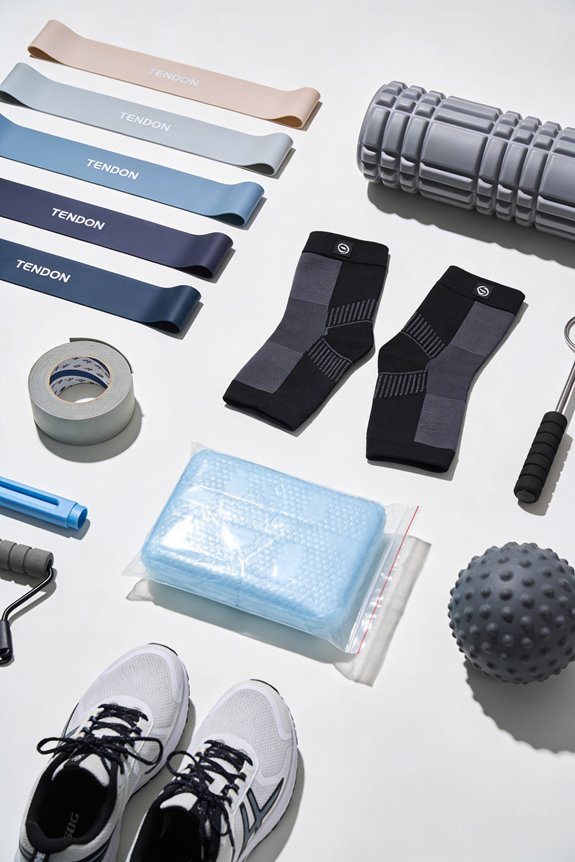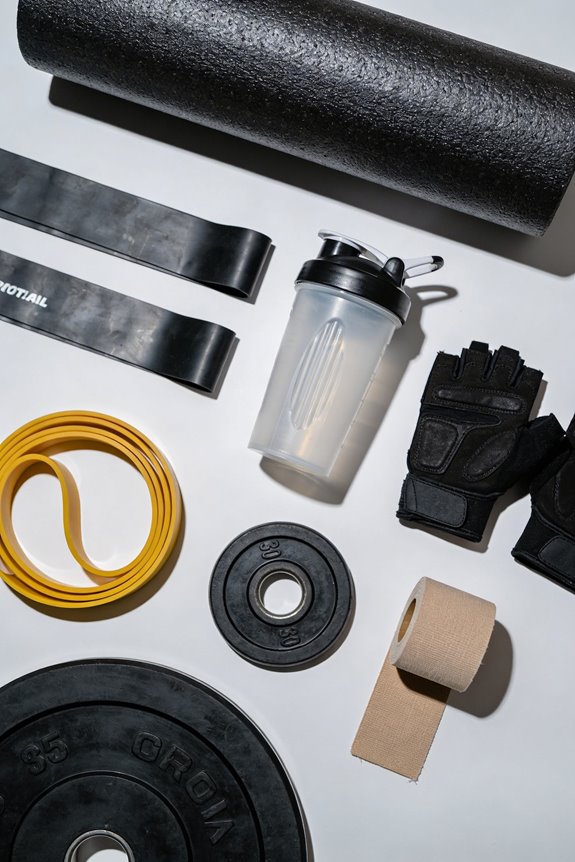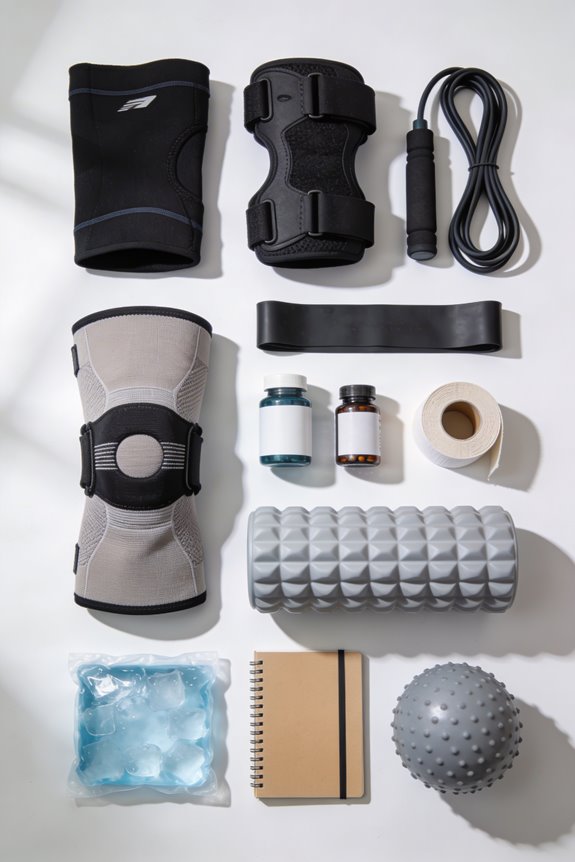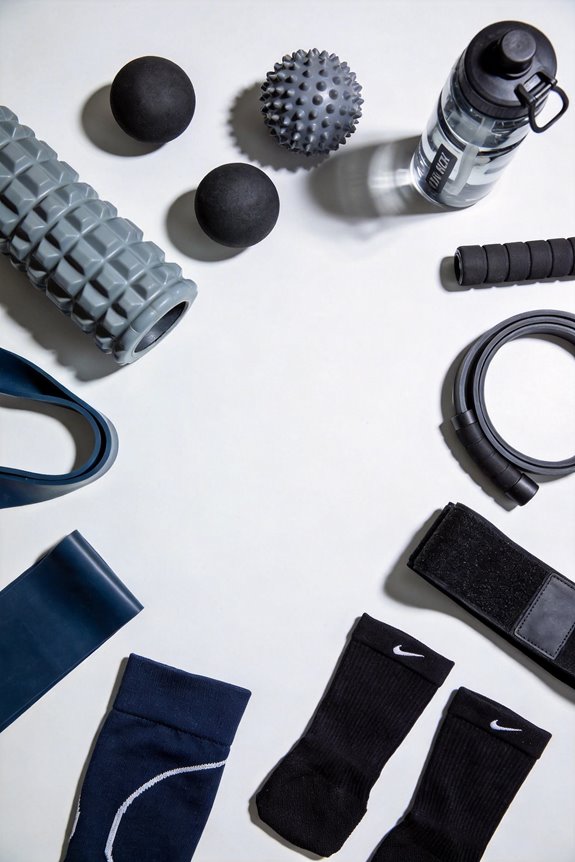

Sports massage is essential for athletic recovery as it improves blood circulation, enhances muscle function, and promotes fast healing. We should aim for post-workout massage sessions ideally within 30 to 120 minutes to reap maximum benefits. Techniques like deep tissue massage target chronic tension, while gentle stretching enhances recovery and flexibility. It’s beneficial not only for athletes but also for active individuals and physically demanding job workers. To understand more about specific techniques and their advantages, keep going.
Key Takeaways
- Sports massage enhances post-workout recovery by increasing blood flow, delivering nutrients, and aiding in muscle healing.
- It reduces muscle soreness and improves flexibility, helping athletes overcome delayed onset muscle soreness (DOMS).
- Regular massage can prevent injuries by identifying muscle imbalances and promoting overall relaxation and well-being.
- Effective timing for massage is crucial; post-event treatments should occur within 30 to 120 minutes for optimal recovery benefits.
- Incorporating massage with other recovery tools can enhance athletic performance and speed up recovery times from intense training.
The Importance of Sports Massage in Athletic Recovery
Have you ever finished a tough workout and felt completely drained, just wishing for something to ease those sore muscles? You’re not alone. Sports massage is one of those tools that can make a significant difference in how you recover after pushing your limits, whether you’re training for a marathon or just hitting the gym on weekends.
Let’s break it down. Sports massage plays a vital role in helping your body bounce back. It boosts blood flow to tired muscles, which means the nutrients they need to recover can get delivered right where they’re needed. This doesn’t just speed up healing; it can also reduce muscle soreness and increase your flexibility and range of motion—both crucial for performing at your best.
Now, here’s the trick: if you’re serious about your fitness routine, consider making sports massage a regular part of it. Regular sessions can help identify and correct muscle imbalances before they turn into bigger problems, keeping injuries away. Techniques like myofascial release can break up those pesky adhesions that might be holding you back, letting your muscles work better.
But it’s not just about the physical perks. Honestly, there’s a mental side to this too. Ever notice how you feel calmer and more relaxed after a massage? It’s true! Putting aside some time for yourself does wonders for your mood and can even lead to better sleep after an intense workout.
So, why does this matter? Because taking care of your body isn’t just about avoiding injuries or recovering faster; it’s about enhancing your overall performance and well-being. Incorporating sports massage into your routine can be incredibly beneficial. Using tools like a muscle roller stick can further enhance recovery by targeting soreness and improving muscle flexibility.
Why Timing Your Sports Massage Matters

Timing your sports massage can really make a difference in how well you recover from a tough workout or an event. Ever come home from a race feeling like you’ve just been hit by a truck? That’s where a good massage can step in and save the day. Understanding when to book that massage is super important to get the most out of it.
Think about it this way: a pre-event massage can be like a warm-up for your muscles. It helps with circulation and gets everything ready to roll. Those quick techniques used in a pre-event massage might just give you that extra edge during competition. On the flip side, post-event massage is crucial, too—especially if you can get it done within 30 to 120 minutes after you finish. This type of massage can help ease muscle soreness and really cut back on that dreaded delayed onset muscle soreness (DOMS) you might feel a day or two later.
Why is timing so critical? Well, after you push your body to the limit, soothing those tired muscles can do wonders. A post-event massage can reduce inflammation and speed up healing. Frankly, if you’re serious about your training, scheduling massages around your workouts can keep you feeling fresh and ready for whatever comes next. Additionally, combining massage with moisture-wicking clothing can further enhance comfort and recovery by managing sweat and body temperature effectively.
Top Five Benefits of Sports Massage for Athletes

Ever feel like your muscles just need a little TLC after those intense training sessions? Sports massage might be the answer you’re looking for. It’s not just about relaxing – this technique has some serious perks for athletes that can boost performance and speed up recovery.
For starters, sports massage really gets your blood pumping. Increased circulation means more oxygen and nutrients are on their way to your muscles. This is huge for reducing recovery time after a tough workout.
Flexibility is another big win. When those muscles are tight, you’re at risk for injuries. Regular sports massage can help loosen those knots, making it easier for you to move freely and safely.
If you’ve ever experienced muscle soreness, you know how much it can hold you back. Sports massage can help lessen that soreness, particularly the dreaded DOMS (Delayed Onset Muscle Soreness). By working through that discomfort, you can train harder and with more confidence.
Mental health can also benefit from sports massage. It’s a great way to reduce stress and anxiety, which in turn helps you stay focused on your goals. After all, keeping a positive mindset is just as important as your physical training.
Try to find sessions that fit into your training schedule. The best part is, massages can be tailored to your specific needs, ensuring you’re getting the most out of them. Using percussion massagers with adjustable speed settings can further enhance muscle relief by delivering targeted and customizable treatment.
How to Choose the Right Massage Technique
Choosing the right massage technique can make a big difference in your athletic recovery, but where do you even start? It helps to figure out what your specific needs are. For example, if you’re struggling with muscle soreness, a deep tissue massage might be just what you need. This technique focuses on the deeper layers of muscle to ease that chronic tension that can really slow you down.
On the other hand, if you’re gearing up for an event, there’s more to consider. Sports massage brings techniques like myofascial release into play, which can enhance your range of motion and help your body heal faster. And let’s not forget about pre-event stimulation methods like friction massage, which can warm up your muscles and get you ready to go. After the event, gentle stretching during your massage is a great way to prevent stiffness and support recovery.
Here’s the trick: talk openly with your massage therapist. That way, you can ensure your treatment plan aligns with any injury histories and your personal athletic goals. This kind of tailored approach can help you achieve the best possible results in your recovery.
So, why does this matter? Because the right massage can not only ease your discomfort but also enhance your overall performance. Just think, investing a bit of time into understanding how different techniques can benefit you could lead to major improvements in how you feel and perform. Additionally, incorporating targeted compression knee sleeves during recovery can provide crucial support and promote faster healing.
Who Can Really Gain From Regular Massage?
Have you ever thought about who really stands to gain from regular massage? It’s not just for the elite athletes or the super fit; almost anyone can reap the benefits of massage therapy. If you’re someone who enjoys staying active—whether you hit the gym regularly or just squeeze in workouts on the weekends—massage can help ease muscle soreness and boost your recovery time after those tough sessions.
For those involved in endurance sports like marathon training, sports massage is a great option. It not only prepares you physically for the big day, but it also helps alleviate soreness, so you’re ready to train again. And let’s not forget about people in physically demanding jobs, like construction workers or nurses. Regular massage can significantly reduce muscle tension and improve overall well-being, making daily tasks feel less taxing.
Here’s the trick: massage is also a proactive way to prevent injuries. By tackling tension and tightness before they turn into bigger problems, you can keep doing the activities you love without the fear of getting sidelined. So, whether you’re a serious athlete or just someone who wants to stay active and healthy, incorporating massage into your routine is a smart move. Additionally, combining massage therapy with other supportive tools like posture correctors can enhance recovery and promote long-term musculoskeletal health.
Boosting Muscle Function With Sports Massage
Are you feeling sore after your workouts? If so, you’re not alone. Many athletes struggle with muscle tightness and recovery, but there’s a simple strategy that can really make a difference: sports massage. This isn’t just a treat-yourself moment; it’s a practical way to enhance how your muscles function, especially if you’re serious about your athletic performance.
When you get a sports massage, one of the first things you’ll notice is better blood circulation. This means your body is delivering oxygen and nutrients to your muscles more effectively, which helps in flushing out waste products that can impede your recovery. Not only does it help with that, but it also releases tight muscles and fascia. That increase in flexibility and range of motion can be a real lifesaver when you’re trying to prevent injuries during sports.
So, what can you expect from sports massage? Here are a few benefits:
- It targets muscle adhesions, which are spots that can cause discomfort or restriction.
- Helps minimize muscle spasms and cramping.
- Delays that annoying post-workout soreness, also known as DOMS (Delayed Onset Muscle Soreness).
- Enhances neuromuscular coordination, which can improve your overall performance.
Truth is, regular sports massage can lead to faster recovery times after intense workouts. You might be surprised by how much better you feel and perform with just a few sessions. Plus, it’s not just about the physical benefits — it can give you a mental boost, too. Who doesn’t want to feel relaxed and ready to conquer their next workout?
Using tools like a massage gun at home can further enhance recovery by providing customizable deep tissue therapy tailored to your needs.
I can’t stress enough the value of incorporating sports massage into your routine. If you’re serious about keeping your body in top shape, this is a practice worth considering.
Have you tried sports massage, or is this the first time you’re hearing about it? Whatever the case, maybe it’s time to give it a shot.
What Research Says About Sports Massage and Recovery
Have you ever pushed yourself to the limit during practice and then felt like you were hit by a truck the next day? You’re not alone—a lot of student athletes deal with muscle soreness after intense workouts. But here’s the good news: sports massage can be a real lifesaver for your recovery.
Research shows that getting regular sports massage can cut muscle soreness by about 30%. That’s huge! Not only does it help reduce that achy feeling, but massage also improves circulation, which means your muscles get more oxygen and nutrients to help them heal faster. It’s also effective for soft tissue injuries, as it helps lower inflammation and speeds up recovery.
Try this: if you can, get a massage between 30 to 120 minutes after your workouts. Studies say this timing is key to alleviating delayed onset muscle soreness, or DOMS, which is that annoying pain you feel a day or two after you’ve really pushed yourself.
The best part is massage can also boost the release of endorphins, which are natural painkillers. This not only helps with managing pain but can also improve your mood. Plus, when you improve circulation and flush out metabolic waste, you lower your risk of injury and can recover quicker from your training.
Using supportive tools like wrist wraps for lifting during workouts can also help maintain wrist stability and reduce strain, complementing the recovery benefits of massage.
So, why does this matter? Well, if you want to keep pushing your limits and improve your performance, adding sports massage to your routine can really help. Honestly, the benefits stretch beyond just feeling good—it’s a powerful tool for any athlete looking to recover effectively.
In short, sports massage can really aid your recovery journey. What are you waiting for? Maybe it’s time to book that massage and see how it can help you bounce back stronger!
Frequently Asked Questions
How Often Should Athletes Get a Sports Massage?
We recommend athletes get a sports massage weekly or bi-weekly, considering individual recovery needs and muscle soreness management. Pre and post-event timing, varying techniques, and athlete preferences should influence scheduling considerations for ideal results.
Can Sports Massage Replace Physical Therapy?
While sports massage offers delightful benefits for muscle recovery and performance improvement, it can’t fully replace physical therapy. Each serves its purpose, helping athletes navigate pain management and utilizing proper therapist qualifications for different needs.
What Should Athletes Do After a Massage?
After a massage, we should prioritize hydration, engage in gentle stretching, and follow nutrition strategies. Incorporating rest periods and mental relaxation while tracking our progress fosters personalized recovery and injury awareness for ideal results.
Are There Any Risks Associated With Sports Massage?
Sure, we recognize there can be risks with sports massage. Aren’t we all concerned about potential muscle soreness or sports injuries? Being aware of contraindications and pressure sensitivity helps us personalize techniques for safe, effective recovery strategies.
How Do I Find a Qualified Sports Massage Therapist?
To find a qualified sports massage therapist, we should consider certification requirements, their experience, preferred massage techniques, our recovery goals, injury history, session duration, and cost. Researching and asking for recommendations can help us make informed choices.