
Recovery runs play a crucial role in our training schedule. They help balance intense workouts, lower injury risks, and aid muscle recovery by promoting blood flow. We should run at an easy pace for about 20-30 minutes, ideally 1-2 times weekly, after hard sessions. It’s important to avoid running too fast or exceeding the time limit. Engaging in various activities can enhance these outings. Further insights on how to effectively incorporate recovery runs await you.
Key Takeaways
- Recovery runs help balance training load, reducing the risk of overtraining injuries like stress fractures and enhancing overall performance.
- Incorporating 20-30 minute recovery runs 1-2 times a week aids in muscle recovery and minimizes soreness after intense workouts.
- Scheduling recovery runs 24-48 hours post-hard workouts promotes better blood circulation and nutrient delivery for muscle healing.
- Engaging in recovery runs fosters a positive relationship with running, relieving stress over pace and distance while enhancing mental clarity.
- Mixing recovery activities, such as cycling or swimming, can prevent burnout and promote active recovery, benefiting overall cardiovascular health.
Why Recovery Runs Are Essential for Runners
Ever felt like you’re pushing too hard during your training? You’re not alone. Many runners focus solely on speed and distance, forgetting that recovery runs can be just as crucial for better performance.
Recovery runs are simple but effective. Just take it easy with your pace for about 20-30 minutes. This relaxed approach isn’t just for fun; it actually helps your muscles recover faster. By increasing blood flow, these runs help flush out the junk, like metabolic waste, and speed up the healing of tiny injuries your body may have suffered from tougher workouts.
Here’s the trick: incorporating recovery runs into your schedule can significantly lower your injury risk. You’ll balance out the training load, which is key in preventing fatigue buildup. Think about how great it is to know you’re taking care of your body while still enjoying a nice jog!
And the benefits don’t stop there. Research shows that recovery runs can improve your overall muscular efficiency and aerobic capacity, meaning you could see better performance in your future workouts. Honestly, who wouldn’t want that?
But let’s not forget the mental boost they provide. You can just relax and enjoy running without stressing over pace or distance. This kind of mindset is essential for keeping your motivation high and sticking to your training plan long-term.
Additionally, choosing gear made from moisture-wicking fabrics can enhance comfort by keeping you dry during your recovery runs.
What’s the Science Behind Recovery Runs?

Are you feeling beat up after a tough workout? Recovery runs might just be what you need to help your body bounce back. These low-intensity sessions aren’t just filler on your training schedule; they actively support your recovery process.
When you engage in a recovery run, you’re promoting blood flow, which is crucial for repairing those tiny tears in your muscles that happen during intense activities. This means you’re getting necessary nutrients right to the areas that need it most. Less muscle soreness? Yes, please! Plus, studies show these runs can actually lower inflammatory markers in your body.
So, why does this matter? Simple. Regular recovery runs can enhance how your body burns fat and uses oxygen, which ultimately benefits your aerobic capacity and metabolism. Not only that, they help in reducing your risk of injury by keeping you from overtraining and managing fatigue. By incorporating these runs, you can keep your motivation high without sacrificing essential recovery time.
The best part is, you can make these runs enjoyable and a part of your routine without feeling like you’re stuck in a rut. Try this: mix them in with your regular schedule to maintain some fun variety while still getting the rest your body craves. It’s a win-win: you’ll stay active, but also allow yourself to recover.
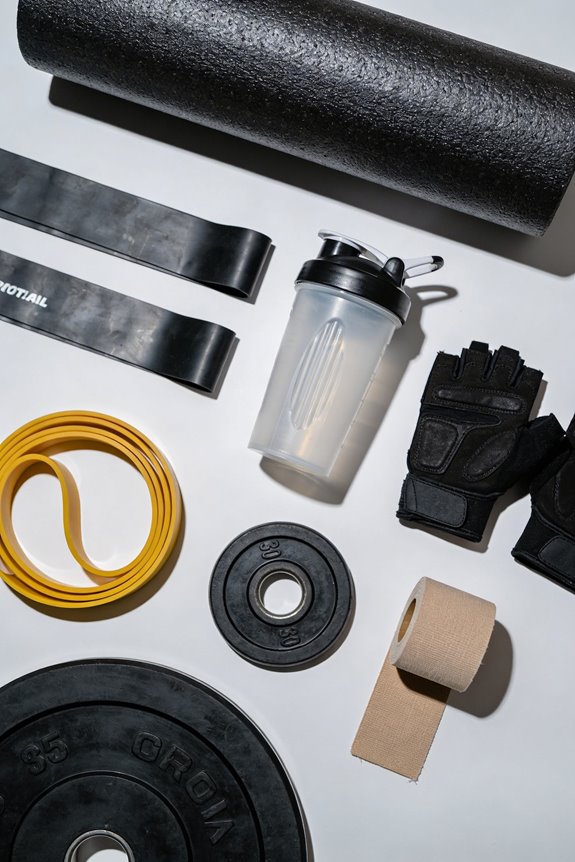
In addition to recovery runs, using resistance bands can complement your recovery and training by promoting muscle activation and preventing stiffness.
In a nutshell, recovery runs are a solid way to boost your overall performance and well-being. Have you tried them yet, or are you sticking strictly to high-intensity workouts?
Benefits of Recovery Runs for Your Training

Have you ever felt like your legs just can’t bounce back after a tough run? You’re not alone. Recovery runs might just be the solution you didn’t know you needed. These low-key workouts are more than just a leisurely jog; they actually do wonders for your overall performance.
Recovery runs boost blood flow to your muscles, which helps flush out lactic acid and reduces fatigue. You’ll notice less soreness and stiffness, especially after those long, grueling runs. By keeping things easy, you’re allowing your body to break down toxins and minimize inflammation. Plus, they help you stay in a consistent routine, which can really improve your running efficiency over time.
Now, let’s talk about injury prevention. Slower runs lower your risk of overtraining injuries like stress fractures and tendonitis. So, if you want to stay healthy and keep logging those miles, incorporating recovery runs into your schedule is a smart move.
The best part is recovery runs get you ready for more intense workouts. As you prepare for tougher sessions, you’ll feel more primed for performance—think of it as setting the stage for your training journey. So, why not give these recovery runs a shot? You might find they’re exactly what you need to level up your running game. Using appropriate moisture-wicking fabrics during recovery runs can help maintain comfort and prevent chafing, enhancing your overall experience.
How to Incorporate Recovery Runs Into Your Routine
Are you struggling to balance tough workouts with proper recovery? You’re not alone. A lot of runners overlook recovery runs, but they’re a simple addition that can seriously boost your overall performance.
To make recovery runs part of your routine, try scheduling them about 24-48 hours after your hard workout days. This timing helps your body recover while still keeping you active. Aim for 20-30 minutes at an easy pace, where you can chat without gasping for air. Just picture a casual jog, like chatting with a friend over coffee.
Think about including these easy runs 1-2 times a week, especially if you’re hitting the pavement six days a week. This will help you manage your fatigue and keep you feeling fresh. You might even want to pair them with rest days or follow up a long run with a recovery run to keep your legs moving without too much strain.
And don’t forget: mixing in different activities like cycling or swimming can really help with recovery, too! This not only keeps things interesting but also helps you avoid burnout. The best part is, you can stay active without feeling like you’ve got another intense session lined up.
Incorporating recovery runs is all about keeping your training balanced and effective. Using lightweight fabrics can also enhance comfort during these easy runs, ensuring you stay breathable and flexible. So, are you ready to give your body the recovery it deserves?
Avoid These Common Mistakes With Recovery Runs
When it comes to recovery runs, a lot of folks make some simple mistakes that can really mess up their benefits. Ever tried to pick up the pace during a recovery run? Running too fast can quickly turn your easy jog into a medium-intensity workout. That’s not what recovery is about. You want to keep things chill and let your heart rate stay low; this is how you promote healing and refresh your muscles.
Another common pitfall is overdoing the duration. It’s easy to lose track of time and end up running longer than you should. Aim to keep these runs at a maximum of 30 minutes. Trust me, sticking to this limit can prevent unnecessary fatigue that hampers your overall training.
Now, here’s a mistake many overlook: skipping recovery runs altogether in favor of just resting. It might seem logical, but low-intensity activity is actually beneficial for muscle recovery. So, don’t skip out on them.
And let’s not forget about the surfaces you run on. If you’re consistently pounding the pavement, your joints will take a hit. Look for softer terrain whenever possible—think trails or grass.
Using back support belts during recovery runs can help provide additional lumbar support and reduce strain on your lower back, improving comfort and injury prevention.
Best Alternative Active Recovery Strategies
Active recovery is often overlooked, but it can be just as crucial as your regular workout routine, especially after those tough training sessions. If you’re feeling sore or just a bit worn out, don’t stress! There are some easy and effective ways to help your body recover while still staying active.
Try swimming; it’s a fantastic option. It offers low-impact resistance, which means your muscles get a workout without the extra strain on your joints. Plus, you get the added bonus of promoting cardiovascular health. Not to mention, the soothing effect of being in the water can help you de-stress after a long day.
Cycling is another great way to stay active without overdoing it. You can keep that heart rate steady and enhance blood flow without putting your body through shock. It’s a good idea to pick a flat route or hit up a stationary bike for some relaxed pedaling.
And let’s not forget about the benefits of yoga. It’s one of those practices that helps with stretching and proper breathing. This means you can alleviate tightness in your muscles while also promoting some much-needed relaxation. So, why not roll out your mat and take a deep breath?
Brisk walking is also worth considering. Just 20 minutes can really stimulate blood flow and aid in recovery, all without tiring you out. It’s a simple way to give your body some love while you enjoy a bit of fresh air.
Lastly, if you’re up for it, consider light weight training or a leisurely workout on an elliptical machine. You’ll engage your muscles without the risks associated with high-impact activities. The best part is, you’re still supporting your recovery while keeping things low-key.
Additionally, incorporating moisture-wicking fabrics in your workout wear can improve comfort during recovery activities by keeping you dry and reducing irritation.
To sum it all up: staying active during recovery doesn’t have to mean hitting the gym at full speed. Instead, you can choose activities like swimming, cycling, yoga, brisk walking, or light weight training. What’s your favorite way to recover?
Timing Your Recovery Runs for Maximum Benefits
Ever feel like your legs are made of lead after an intense workout? Timing your recovery runs can really make a difference in how you bounce back. It’s best to schedule these runs about 24 to 48 hours after your toughest training sessions. This timing helps ease muscle tension and promotes healing.
If you’ve cranked out a long run, consider adding a chill run later the same day to keep things moving without overdoing it. How cool is it to have an easy way to recover without feeling wiped out? For most folks training four to five times a week, just one recovery run should do the trick. If you’re pushing yourself harder with six days of training, aim for at least two recovery runs during the week.
What should your recovery run look like? Aim for a leisurely 10 to 30 minutes at a pace where you can easily chat. This keeps your blood flowing and helps you avoid pushing yourself too hard, keeping you on track with your overall goals. Wearing moisture-wicking fabrics during these runs can enhance comfort by managing sweat effectively.
Mental Health Benefits of Recovery Runs
Recovery runs aren’t just a way to give your legs a break; they can really boost your mental health too. When you slow things down and treat yourself to an easy-paced run, it’s like hitting the reset button on your mind. This low-key activity allows you to step away from the pressure of your performance goals, helping to clear your head and take in the world around you.
Regular recovery runs can actually make running more enjoyable. It’s amazing how a relaxed pace can help you build a friendlier relationship with the sport and keep burnout at bay. Plus, moving at a consistent rhythm can work wonders for stress relief, lifting your mood and improving your overall mental well-being after tough workouts. Think of these runs as a kind of moving meditation; they can soothe anxiety and allow for better clarity.
So, why does this matter? These active recovery sessions are essential to any training routine. They help you recharge mentally, which can make a big difference when you’re gearing up for more intense training or competitions. Wearing proper gear with moisture-wicking properties during your runs can help maintain comfort and enhance the overall experience.
If you’re feeling overwhelmed or stuck in a rut, try incorporating a recovery run into your routine. It could really change the way you feel about your training and running in general. Remember, sometimes the slowest runs can be the most rewarding. What do you like to do to reset your mind while staying active?
Frequently Asked Questions
What Is the Role of Recovery in Training?
Active recovery plays an essential role in our training, promoting muscle repair, enhancing cardiovascular benefits, and aiding in injury prevention. By integrating recovery runs, we can enjoy improved performance and sustain our motivation for training.
What Is a Recovery Run in Training?
As the saying goes, “slow and steady wins the race.” A recovery run is a low-intensity effort, benefiting our muscles by enhancing blood flow. By incorporating recovery runs at an ideal pace, we boost our training techniques efficiently.
What Role Do Recovery and Rest Play in the Effectiveness of an Exercise Routine?
Recovery and rest are essential for muscle repair, injury prevention, and performance enhancement. They also boost our mental health, making our training more effective and enjoyable while promoting sustainable progress in our fitness journey.
How Often Should You Do Recovery Runs?
We should incorporate recovery runs based on our training frequency. Runners training three times weekly might benefit from one or two, while those hitting six times may need two—ensuring ideal recovery duration and a perfect running intensity balance.