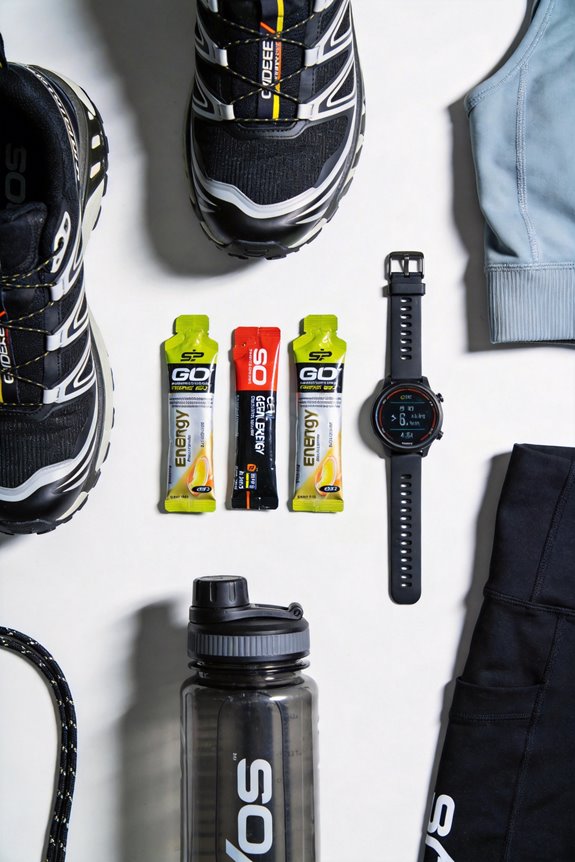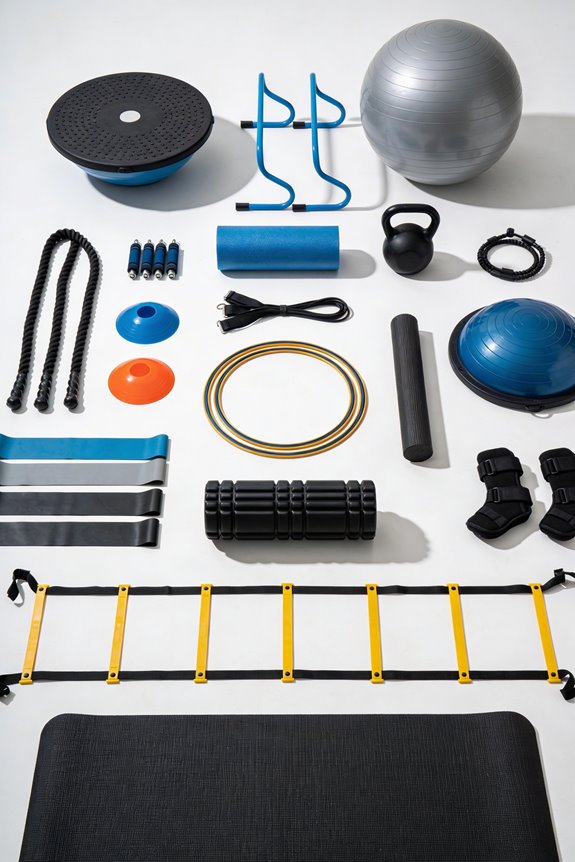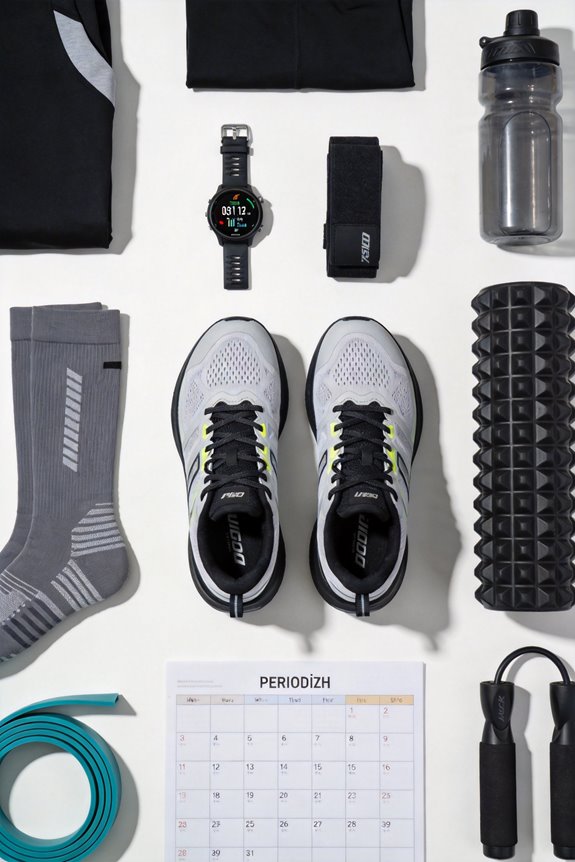

Tapering is an essential strategy for athletes, naturally enhancing performance by reducing training load before competitions. This process allows muscle recovery, increases glycogen stores, and strengthens our immune systems. We should aim to decrease our training volume by 20-30% each week while keeping intensity around 80%. Common tapering methods include linear and progressive approaches, with ideal durations varying by race type—ranging from 6-7 days for middle distances to 10-14 days for marathons. Continuing through this guide will reveal further insights.
Key Takeaways
- Tapering involves reducing training load over one to three weeks, optimizing recovery and performance levels before competition.
- Endurance athletes can benefit from performance improvements of 0.5% to 6% with proper tapering strategies.
- Effective tapering combines reduced volume (20-30%) while maintaining high intensity (80% or more) to support muscle recovery.
- Taper duration varies by race type, with middle-distance events needing 6-7 days and marathons requiring 10-14 days.
- Mental preparedness is crucial; visualization and positive self-talk can combat taper anxiety and enhance performance readiness.
Understanding Tapering: Concept and Physiological Benefits for Athletes
Tapering might sound new to some of you, but it’s super important for getting the most out of your performance before a big competition. Essentially, tapering means cutting back on your training load gradually, usually over a period of one to three weeks. By doing this, you can reap some major benefits that’ll help you on race day.
So, what’s actually happening during tapering? For starters, your muscles get the chance to replenish their glycogen stores, which is essential for energy. You also see an increase in red blood cell volume, which can boost your performance. Endurance athletes, in particular, might see improvements of around 3%, but keep in mind that this can range from 0.5% to 6% depending on various factors—like your specific training or even how well you’re tapering.
Here’s the trick: stay focused on high-intensity workouts, but drastically reduce your volume—think anywhere from 41% to 90% less training. This reduction doesn’t mean skipping workouts entirely; it’s about sharpening your skills and letting your body recover. Plus, a solid taper can actually help strengthen your immune system. You want to stay healthy and mentally sharp as race day approaches, right?
Honestly, understanding the importance of tapering can make a huge difference in your performance. Selecting proper gear, such as running shoes with advanced cushioning technologies, can further improve comfort during training and competition. So, when you’re preparing for your next event, consider putting this strategy into practice. It might just be the missing link you didn’t know you needed!
In short, tapering can set you up for success, both physically and mentally. Have you tried tapering before? How did it work for you?
Essential Guidelines for a Successful Tapering Strategy
How do you ensure that all your hard work pays off when competition day arrives? The answer lies in a successful tapering strategy. As you get closer to race day, it’s important to dial back your training. Consider reducing your training volume by 20-30% each week while keeping the intensity high—around 80% or more. For example, if your usual run is six miles, cutting back to about 2.5 to 3.5 miles should do the trick.
When it comes to tapering methods, you have a few options: linear, step, or progressive. A linear approach is simple and allows for gradual decreases in training, making it a popular choice. So, why does this matter? This careful reduction not only aids in recovery but also helps keep you mentally sharp and ready to tackle the competition.
Nutritional support shouldn’t be an afterthought either. Make sure to focus on eating quality carbohydrates and protein, along with staying well-hydrated. This balanced diet will back your tapering strategy, keeping you feeling strong and prepared mentally as you gear up for race day.
Additionally, managing your gear storage with moisture-resistant materials can help maintain your equipment’s integrity during this crucial rest period.
In short, don’t underestimate the power of tapering. As you begin to taper, take a moment to reflect: are you ready to soar on race day?
Common Tapering Mistakes to Avoid
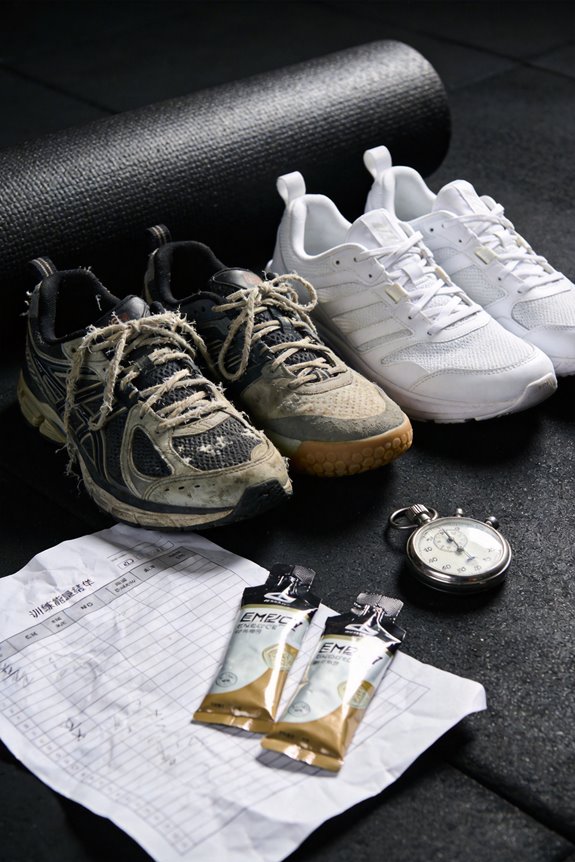
As you gear up for the tapering phase, it’s easy to find yourself caught in a web of what-ifs and last-minute changes. Ever thought about how that final push could backfire? Last-minute intense workouts might feel tempting, but they can actually mess with your recovery and take you down the path of overtraining. It’s better to stick to what you know works for you—changing your training load right before race day just adds unnecessary stress to an already critical period.
Sleep becomes your best friend during tapering. It’s not just about feeling good; if you’re not well-rested, you’re setting yourself up for a sluggish performance. Think about it—who performs their best after a bad night’s sleep? Also, now’s definitely not the time to experiment with new gear or nutrition strategies. Sure, new shoes or fancy gels sound exciting, but they could throw you off your game when it matters most.
Here’s a little secret: trust your previous training. All that hard work has built a solid foundation, so second-guessing yourself can really chip away at your confidence. You want to feel mentally strong as you step up to the start line, and doubt can be a real performance killer. Additionally, maintaining proper fabric breathability in your workout gear helps regulate body temperature and supports recovery during this crucial phase.
Guidelines for Effective Mileage Reduction During Tapering
Are you feeling a mix of excitement and nerves as race day approaches? It’s totally normal! Figuring out how to cut back on mileage during your taper can really impact your performance. Aim to reduce your training volume by about 41-60%—that might sound like a lot, but it’s key to having fresh legs on race day.
Say you usually run six miles; try dropping down to about 2.5 to 3.5 miles instead. The important thing is to keep your training consistent while gradually lowering the distance—not the intensity. So, here’s the trick: in the first week, aim for three to four miles. In the second week, you can scale it back even more to two to three miles.
Now, how long should you taper? That can depend on the race distance. A few weeks is usually a good sweet spot—anywhere from one to three weeks should do the trick. This steady drop in mileage helps your body recover and can seriously optimize your performance when race day finally rolls around.
In addition, maintaining moisture management during your taper can help ensure comfort and recovery in your training sessions.
What Are the Best Tapering Strategies Out There?
What’s the best way to taper before a competition? It’s a question that many athletes ponder, especially as the big day approaches. It’s all about reducing your training volume by 41-70%, but how you do that can make a real difference in your performance.
One popular method is the linear taper. With this approach, you gradually scale back your training load every single day. It’s steady and ensures your body has time to adjust to less workload. Another strategy is the step taper, which involves making a big cut in training right away. This can feel a bit shocking to your system, yet it also gives you that boost when it counts.
Then, there’s the progressive taper. You start by making a significant cut in your training and follow that up with smaller reductions each day. This method is flexible and can help maintain your fitness while giving your body a chance to recover.
Honestly, most effective tapers last between one to three weeks, depending on what sport you’re in and how intense your training has been leading up to the competition. Research backs this up—proper tapering can enhance performance by anywhere from 0.5% to 6.0%.
Additionally, using moisture-wicking and breathable fabrics during training sessions can help optimize comfort and prevent overheating during tapering phases, ensuring better recovery and performance with thermoregulation.
The big takeaway here? A personalized tapering plan is crucial. It allows you to find that sweet spot for both your physical and mental readiness. So, as you gear up for competition, ask yourself: how can you tailor your taper to meet your needs?
The Psychological Impact of Tapering on Performance
Have you ever noticed that as you start tapering for a big race, you begin to feel a mix of excitement and anxiety? It’s totally normal. While many people see tapering as just a chance to rest those muscles, the psychological side can be just as big a deal. Taper anxiety can kick in when you cut back on your training, creating stress and even self-doubt.
A good way to tackle this? Stay connected with your coach. Keeping the lines of communication open not only helps you get reassured but can also boost your mental game as you prepare for competition day. Did you know that tapering can actually clear your mind, letting you sharpen your focus? It’s pretty remarkable how that space can improve your emotional control too.
Try this: incorporate visualization techniques into your routine. Picture yourself racing strong and crossing the finish line. Positive self-talk can also do wonders for your confidence. Instead of stressing about what you’re not doing, remind yourself of all the hard work you’ve put in. It can really help shift your mindset in a positive direction.
Trusting your training and allowing yourself some mental downtime can make a big impact on your performance. Wearing moisture-wicking fabric during this period can keep you comfortable and focused on your mental preparation. Embrace this balance, and you’ll be better prepared when race day rolls around. So, why not take a moment to check in with yourself? Are you ready to give yourself the mental space you need to shine?
How Tapering Enhances Recovery and Muscle Repair
Ever felt like you’re putting in all the hard work during training, yet can’t seem to perform at your best when it counts? You might want to consider the power of tapering. When you start to taper, your body shifts into a crucial recovery phase that significantly impacts your performance. By following a structured tapering program, you can cut back on training load and frequency, giving your muscles the chance they need to recover fully.
During this time, your glycogen stores get a boost. More glycogen means you’ll have plenty of energy ready for race day. Research backs this up, showing that tapering can improve your performance by about 2-3%. It’s pretty clear that the body manages physical recovery much better when you ease up on training right before an event.
So, why does this matter? Tapering also helps reduce levels of creatine kinase, which indicates less muscle damage. This means a better chance of staying healthy and injury-free.
Here’s the trick: if you’re gearing up for an important competition, don’t skip the tapering process. It’s not just another step; it’s essential for turning all that hard training into real readiness for your big day.
In short, if you want to perform your best, give tapering the attention it deserves. Using tools like neck cooling towels can further aid recovery and manage heat stress during this important phase. What’s your tapering plan look like?
Optimal Taper Duration Based on Race Type and Distance
Ever feel like you’re totally ready for race day but can’t figure out how to taper? It’s a common struggle, and nailing the right taper duration can make a big difference in your performance. The truth is, how long you should taper really depends on what kind of race you’re gearing up for and how long it is.
For those of you racing in the middle distances, think about a taper of around 6 to 7 days. This timeframe usually does the trick for getting your body primed. Now, if you’re preparing for a marathon or other endurance events, you’ll want to aim for a taper of about 10 to 14 days. This gives your muscles enough time to recover and your glycogen stores a chance to fill up.
Swimmers have a slightly different story. Their unique energy needs often warrant a longer taper ranging from 10 to 35 days—so if you’re a swimmer, plan accordingly! Studies have shown that taking a taper lasting between 8 and 14 days can really boost your performance. Balancing your training load with proper recovery is key.
So, how do you figure out what’s best for you? Take stock of how you’re feeling leading up to the race. Pay attention to your fatigue levels and any specific needs you may have. Adjust the taper length based on that feedback, and you’ll get yourself set to hit peak performance right when it matters.
To sum it up, finding the right taper strategy can really set the stage for success. Have you found what works best for you during taper time? It might just take some trial and error, but you’ll get there. Using gear with moisture-wicking fabrics can also help keep you comfortable as you ramp your training down.
Ensuring Success: Final Tips on Tapering Preparation
Are you feeling the pressure as race day approaches? Tapering can be tricky, but getting it right is key to hitting your goals. Here are some practical tips that just might make a difference in your preparation.
First off, it’s important to scale back your training leading up to the race. Think about reducing your workout intensity by 41-60% over the final two to three weeks. But don’t forget to keep that intensity high—around 80% of what you’re used to—so you stay sharp.
Nutrition and sleep can’t be overlooked either. Fueling your body with the right foods helps replenish glycogen stores, which is crucial for your immune system. Loading up on quality meals and getting enough rest can make all the difference in how you feel come race day.
Here’s the trick: customize your taper strategy. Everyone is different, so chatting with a coach to tweak the duration and intensity is a smart move. This kind of personalization ensures you’re training in a way that suits your unique needs.
And let’s talk about the mental side of things. Have you ever experienced taper anxiety? It’s totally normal! Adding visualization techniques can really boost your confidence and help you focus on your goals. Picture yourself crossing that finish line—you may be surprised at how much it helps.
To wrap it all up, getting a successful taper in place means balancing your training, nutrition, and mental prep. Are you ready to put these tips into action and tackle your next race? Additionally, wearing moisture-wicking fabrics during your taper and race can improve comfort and performance as you prepare.
Frequently Asked Questions
What Is the Point of Tapering Before a Race?
Tapering before a race is essential for optimizing our performance. It provides physiological benefits, enhances mental readiness, and helps us avoid common mistakes. Following tapering duration guidelines tailored for endurance or strength is vital for success.
How to Taper Before Competition?
We should implement tapering strategies by adjusting our workouts over 1-3 weeks, focusing on nutrition, practicing recovery techniques, and considering individual factors for mental preparation, to maximize performance gains on race day.
Does Tapering Really Work?
Absolutely, tapering really works! With training reduction, we enhance recovery time and mental preparation. Those physiological changes lead to performance enhancement, offering race day energy that many athletes experience as a game changer. Let’s dive deeper!
What Is the Principle of Tapering?
Tapering techniques involve strategic training adjustments with intensity reduction and duration variations, promoting recovery strategies. By emphasizing performance enhancement, we gain physiological benefits and mental preparation, optimizing our readiness for competition while minimizing fatigue.