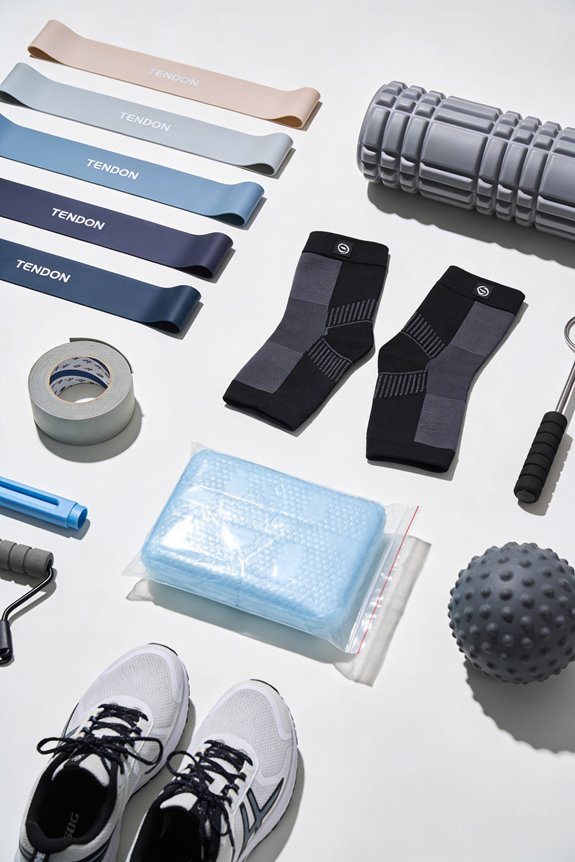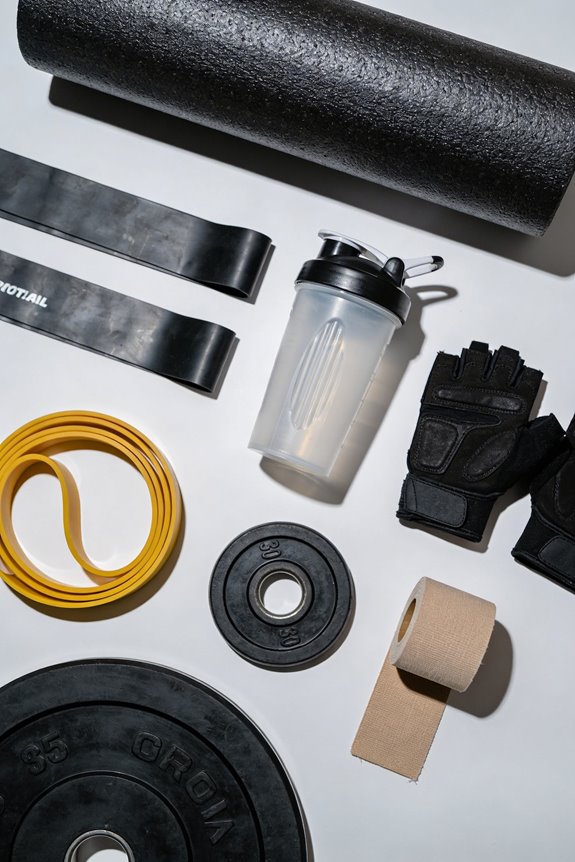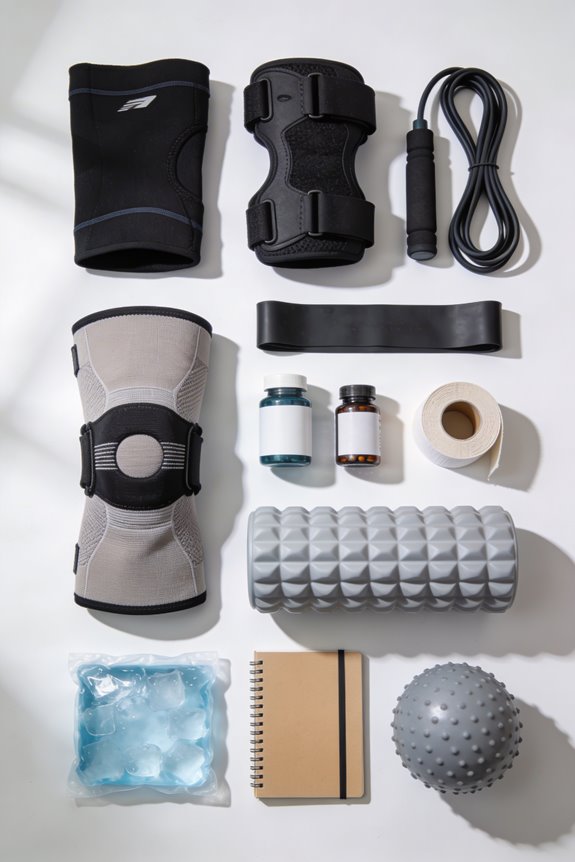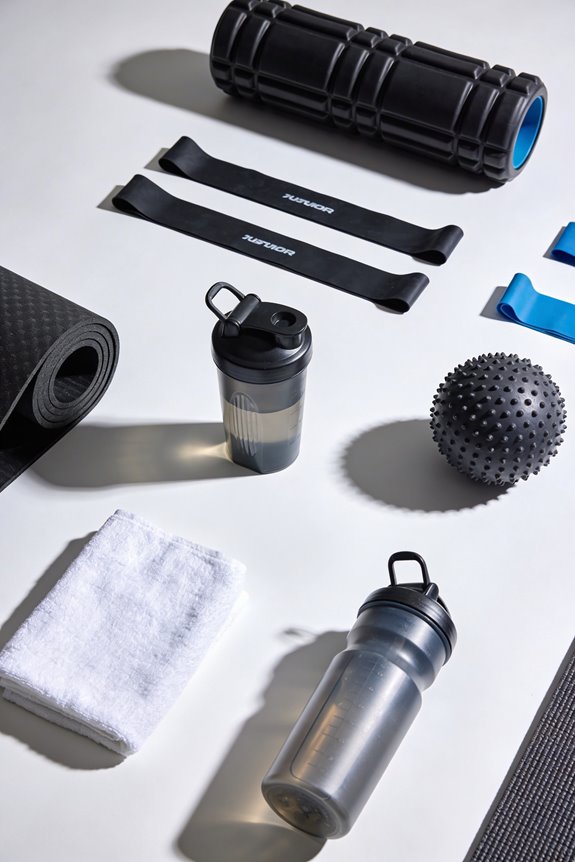

After training, our muscles go through essential recovery phases. Initially, they clear metabolic waste; then they undergo an inflammatory response, where repair begins with cytokine release. Proper hydration—aim for two liters daily—and a post-workout meal with 20-25 grams of protein accelerate this process. Active recovery, like walking, boosts blood flow; foam rollers relieve stiffness. Monitoring heart rate and sleep quality guides our recovery progress. Let’s explore more techniques to optimize our muscle recovery and performance.
Key Takeaways
- Muscle recovery involves several phases: immediate recovery, inflammatory response, repair and regeneration, and remodeling and growth, each lasting from 24 hours to several days.
- Proper nutrition and hydration are crucial, with 20-25 grams of post-workout protein and at least two liters of water daily for optimal recovery.
- Overtraining symptoms include persistent fatigue, mental burnout, and musculoskeletal discomfort, indicating the need for rest and adjusted training intensity.
- Active recovery strategies like low-intensity exercises and foam rolling enhance blood flow, reducing soreness and speeding up the recovery process.
- Quality sleep of 7-9 hours is essential for hormone regulation and tissue repair, significantly impacting overall recovery and performance.
Understanding Muscle Recovery: What Happens in Your Body?
Have you ever finished a tough workout and wondered why you feel sore the next day? Muscle recovery is something we should pay attention to because it directly affects how well your training performs. When you push your limits during exercise, tiny tears form in your muscles. These are normal, but they need some TLC afterward.
Usually, your body kicks into repair mode within the first 48-72 hours. During this period, your immune system gets to work. It sends out inflammation and cytokines to manage any swelling and promote healing. So, why does this matter? Well, taking care of your body during this time leads to better performance and less downtime.
Here’s the trick: nutrition plays a huge role in how quickly you bounce back. Aim for about 20-25 grams of protein soon after your workout. This amount helps rebuild the muscle tissue you’ve worked hard to tear down. Don’t forget about hydration, either. Water helps flush out metabolic waste and delivers the nutrients your body craves for repair.
Good sleep also moves the needle on recovery. During deep sleep, your body releases growth hormone, which helps reduce inflammation and speeds up tissue repair. Honestly, if you’re not getting enough quality sleep, you might be stalling your progress.
To wrap it all up: focusing on recovery through nutrition, hydration, and sleep can significantly improve your training outcomes. Incorporating tools like muscle rollers can further enhance muscle relaxation and reduce soreness.
So, next time you finish a workout, remember to give your body the care it deserves. What do you think you could improve in your recovery routine?
Phases of Muscle Recovery: A Step-by-Step Breakdown
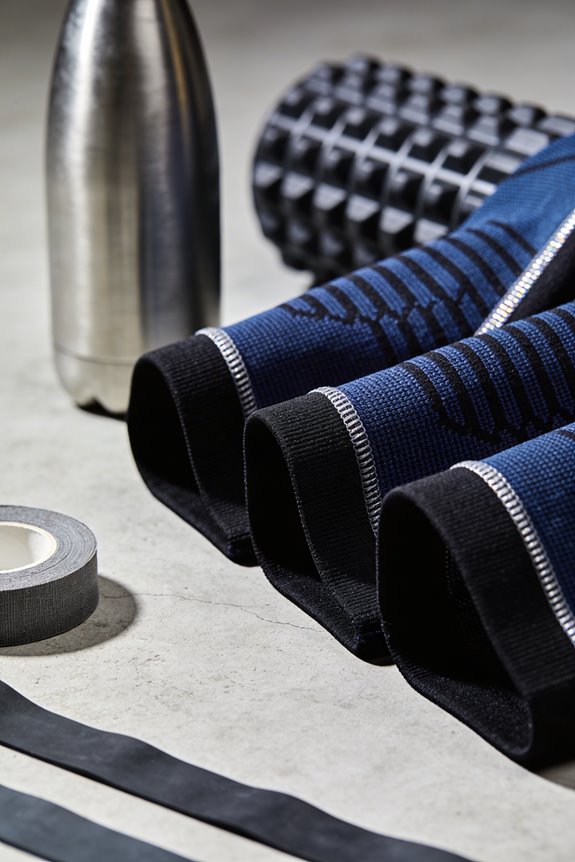
Ever notice how your muscles feel after a tough workout? They don’t just bounce back instantly. There’s actually a whole recovery process your body goes through, and understanding it can really help you get back to your game stronger than before.
The first step is Immediate Recovery, which lasts about 24 hours. During this time, your body’s focus is on clearing out metabolic waste. You may feel soreness set in, but don’t sweat it—this means blood flow is ramping up to help the recovery process.
Next, we hit the Inflammatory Response phase that lasts from 24 to 48 hours. Here’s where your immune system kicks in, releasing cytokines to start repairing any muscle damage. It’s crucial to listen to your body and avoid intense workouts during this period. Pushing through the pain can do more harm than good.
After that, we dive into the Repair and Regeneration phase, lasting from 48 to 72 hours. This is your muscles’ time to repair those damaged fibers and create new tissue. Nutrition plays a big role here. Focus on getting enough protein and carbs to fuel your recovery. Make sure you’re feeding your body what it needs to rebuild.
Finally, we reach the Remodeling and Growth phase, which begins around 72 hours post-workout. Your newfound muscle tissue needs some TLC to strengthen and adapt, so don’t stop exercising, and keep that nutrition in check. The good news is that this is also when you’ll start to see some real growth.
So, why does all this matter? Understanding these phases helps you plan your workouts and recovery better. Balancing intense training sessions with proper rest and nutrition is key to avoiding injury and boosting performance. Additionally, wearing comfortable clothing like straight leg sweatpants can aid muscle recovery by allowing unrestricted movement and maintaining warmth for sore muscles.
Why Staying Hydrated and Eating Right Is Key for Recovery
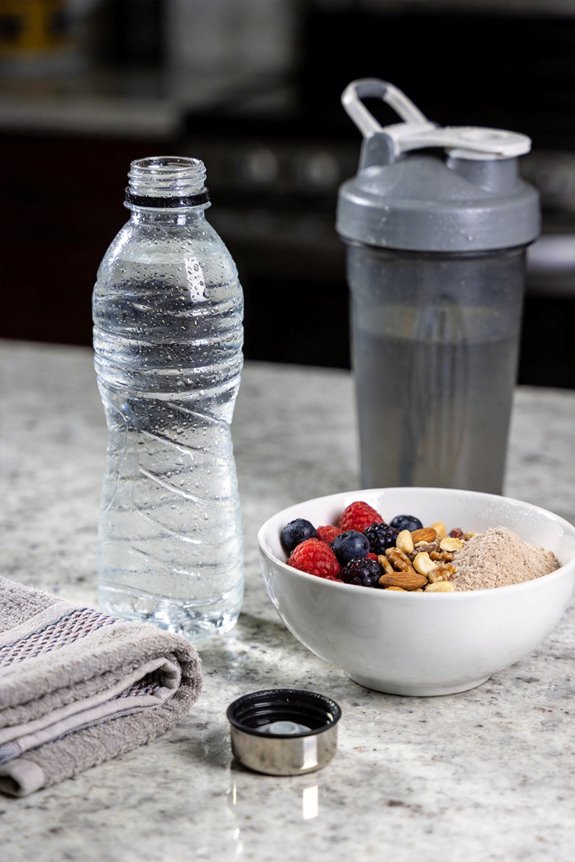
Have you ever hit the gym hard, only to feel totally wiped out afterward? It’s a common struggle, and one that can really set you back if you don’t pay attention to your body’s needs. Staying hydrated and eating right can make all the difference for recovery.
First off, hydration is crucial. Try aiming for at least two liters of water each day, plus an extra liter if you’re going all out during your workouts. Proper fluid intake not only helps flush out waste products but also keeps you from getting dehydrated, which can really slow down muscle recovery. Think about it: if you’re not hydrating well, how can your body repair itself effectively after all that hard work?
Now, let’s chat about protein. Consuming about 20-25 grams within the first hour after you finish exercising is really important for muscle repair. This is the time when your muscles are crying out for the nutrients they need to bounce back. You can get this protein from various sources, but a few solid options are lean meats, dairy, or even some plant-based proteins like beans and tofu.
On top of that, don’t forget about a balanced diet. Filling your plate with things like legumes, nuts, and whole grains gives your body the amino acids necessary for recovery. So, why does this matter? If you’re skimping on what you eat and drink, you might end up feeling like you’re burning out—almost like symptoms of overtraining.
Honestly, ignoring your nutrition and hydration can really hurt both your recovery and your performance. It’s one of those situations where you don’t want to cut corners.
In a nutshell, make it a priority to stay hydrated and fuel your body with the right nutrients. Wearing moisture-wicking fabrics can also help keep you comfortable during and after your workouts, aiding in overall recovery. It’s essential for bouncing back stronger after tough workouts. Are you ready to take your recovery to the next level?
Recognizing Overtraining: Key Symptoms to Watch For
Ever feel like no matter how hard you train, you’re just not seeing the results you want? That could be a sign that you’re overtraining. It’s crucial to recognize some key symptoms that might signal it’s time for a change in your routine.
Persistent fatigue is usually the first red flag. You might notice you’re struggling to complete even familiar workouts, and that’s a clear sign things are off track. Mental burnout can creep in too. If you’re finding it tough to focus or feeling less motivated, it might be time to hit pause and reevaluate what you’re doing.
Also, keep an eye on your body. If you’re experiencing musculoskeletal discomfort or unexplained weight gain, these could indicate that your training intensity is too high. It’s a good idea to tune into what your body’s trying to tell you. Feeling sick more often than usual or having mood swings are also crucial signs that you may be pushing yourself too hard.
In addition, just like selecting the right cushioning and support in trail running shoes can prevent injury, ensuring adequate recovery in training helps reduce joint stress and muscle fatigue.
So, what can you do about it? Try implementing some recovery strategies like giving yourself a day off or changing your workout routine to something less intense. You’ll likely find that taking a step back can help get you back on track and boost your overall performance.
In short, staying aware of these symptoms can help prevent serious burnout. How do you usually listen to your body when it’s asking for a break?
Top Techniques for Muscle Recovery: Active Rest and Beyond
Ever feel like you can’t bounce back after a killer workout? Muscle recovery can really make or break your fitness journey, especially when you’re pushing your limits. One technique that’s super effective is active recovery. This means doing low-intensity exercises, like walking or light cycling, which can help get your blood flowing and get rid of those pesky metabolic waste products.
Another trick you might want to consider is foam rolling. It’s a great way to tackle muscle tightness, plus it boosts circulation and can ease that soreness that creeps in after tough sessions. Now, don’t forget about nutrition; getting about 20-25 grams of protein within 30-60 minutes after you work out can really speed up muscle repair. It’s a small but mighty step.
Have you ever tried contrast water therapy? Alternating between hot and cold water can really help enhance circulation. It might sound a bit odd, but a quick dip in chilly water after a warm soak can have you feeling more refreshed and ready to tackle your next workout sooner than you think.
And here’s the thing—quality sleep is a must. Aiming for 7-9 hours of shut-eye helps regulate hormones and supports tissue repair. Without it, your body struggles to recover, and you won’t be ready for the next challenge.
To boost recovery even further, incorporating high-density foam rollers into your routine can effectively reduce stiffness and soreness, enhancing muscle circulation and performance.
How to Monitor Recovery: Tracking Heart Rate and Sleep Quality
Are you feeling worn out even after a good workout? You’re not alone! It’s crucial to monitor your recovery if you want to get the most out of your training. Keeping an eye on your heart rate and sleep quality can make a big difference in how quickly your muscles recover.
Your resting heart rate (RHR) is a key player in this process. Ideally, when you wake up, your RHR should be no more than 8 beats above your normal baseline. Why does this matter? Because a higher RHR can indicate that you’re not fully recovered and might need to take it easy for a bit. Also, consider measuring your heart rate variability (HRV). A higher HRV generally means better recovery—so if your numbers are looking good, you can push harder!
Sleep is another huge factor in recovery. Growth hormone, which helps repair muscles, is released primarily during deep sleep. That’s why aiming for 7-9 hours of quality sleep each night is so important. You might want to track how well you’re sleeping by using fitness wearables; this can help you figure out if you’re getting the rest you need.
Here’s the trick: pay attention to those signs from your body! If you notice your heart rate is higher upon waking or you’re tossing and turning at night, it could be time to adjust your training style or intensity. Small changes can lead to better recovery, which means better performance over time.
Additionally, wearing moisture-wicking polyester base layers post-workout can help keep you warm and dry, supporting effective muscle recovery.
What Changes Should You Make for Better Recovery?
Are you feeling worn out after your workouts and wondering how to bounce back better? You’re not alone in this; many of us struggle with recovery after intense training sessions. Thankfully, there are straightforward steps you can take to boost your recovery game.
Let’s start with sleep. It’s so crucial for muscle repair and overall recovery. Aim for about 7-9 hours each night. Honestly, if you’re skimping on sleep, you’re likely hampering your progress more than you realize.
Nutrition plays a big role too. After you work out, try to get 20-25 grams of protein along with some complex carbs. This combo helps your muscles recover and fuels your body for the next session. When you think about it, putting the right fuel in your body is just as important as the workout itself.
Don’t forget about active recovery, either. Light activities like walking or gentle stretching can do wonders for your muscles. They not only enhance recovery but also help reduce inflammation by boosting blood flow. So, why not take a stroll after your next workout?
Hydration is another area that’s easy to overlook. Make sure you’re drinking at least two liters of water each day, and ramp that up during intense workouts. Staying hydrated is essential for effective recovery and overall performance.
And finally, don’t underestimate the power of rest days. Taking a break is just as critical as your training days. Cooling down after workouts also helps stabilize your cardiovascular system, making it easier for your body to recover.
In addition, wearing moisture-wicking activewear during your workouts can help regulate body temperature and enhance comfort, which supports more effective recovery.
In a nutshell, making these small tweaks can lead to better recovery and improved performance. How do you plan to incorporate these tips into your routine?
Frequently Asked Questions
How Does Sleep Affect Muscle Recovery Duration and Quality?
Did you know that just 20% of our sleep is deep sleep, essential for muscle repair? By optimizing our sleep environment and ensuring proper sleep cycles, we can enhance hormone release and overall recovery strategies.
Can Supplements Accelerate Muscle Recovery?
Yes, supplements can accelerate muscle recovery. By optimizing protein timing, using creatine, amino acids, and beta alanine, along with hydration strategies and omega-3 fatty acids, we enhance post-workout nutrition for faster recovery and improved performance.
What Role Does Mental Recovery Play in Overall Muscle Recovery?
Mental recovery’s essential—like a phoenix rising from ashes! By honing mental resilience through stress management, visualization techniques, and mindfulness, we can conquer mental fatigue, achieve emotional balance, and ultimately enhance our muscle recovery and performance.
Is There an Optimal Temperature for Post-Workout Recovery Practices?
We believe the ideal temperature for post-workout recovery varies; cold therapy reduces inflammation and muscle soreness, while heat therapy improves blood circulation. Combining both—thermal contrast techniques—enhances recovery and aids in injury prevention.
How Do Age and Fitness Level Influence Recovery Times?
Age impacts recovery variability, as hormonal influence and muscle repair capacity decline. Fitness adaptation enhances resilience—activity intensity, nutrition timing, and hydration status further affect recovery. Our exercise experience shapes injury resistance and influences overall recovery times.