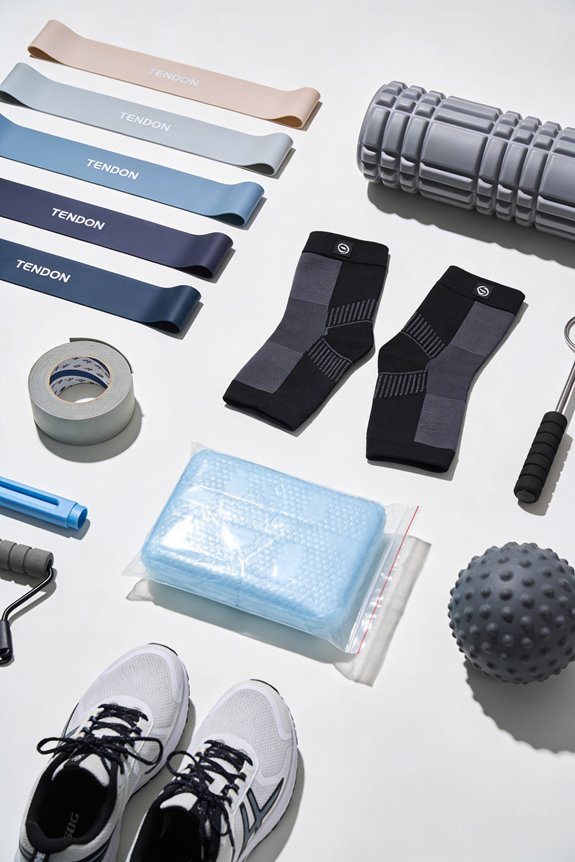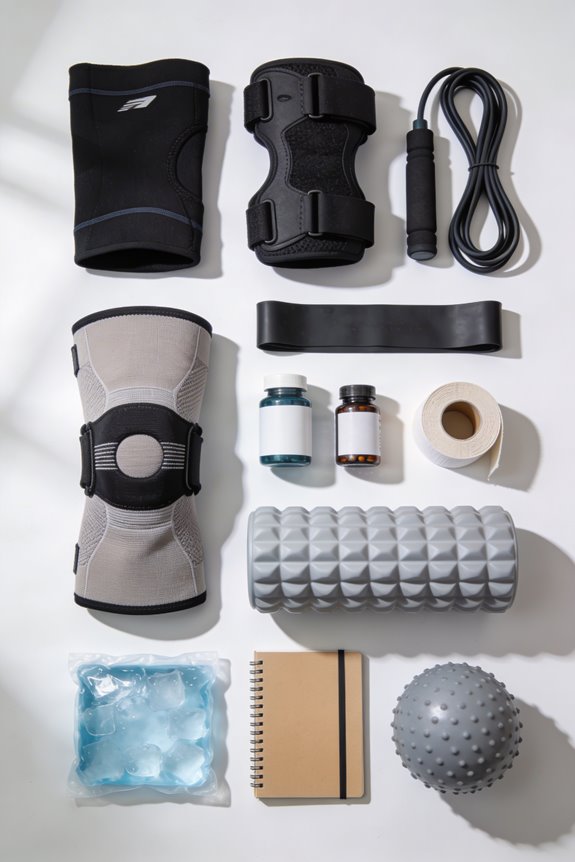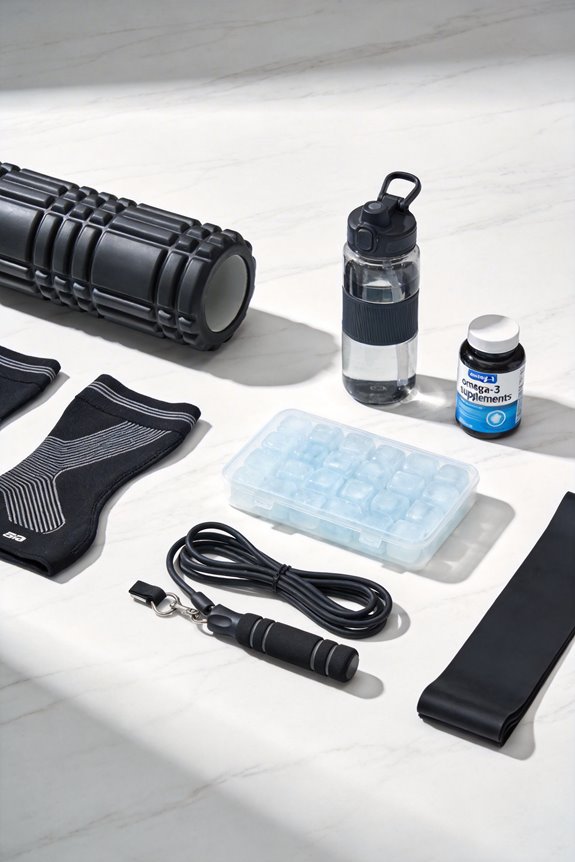

In understanding inflammation, we recognize acute inflammation as an essential response to exercise and injuries, which aids in healing; it usually resolves within days. Chronic inflammation, on the other hand, can harm performance, leading to fatigue and increased injury risk if it persists for months. Common triggers include overtraining, poor diet, and lack of sleep. Adopting a balanced diet and effective recovery strategies can manage inflammation, allowing us to optimize performance and health, while our next points will clarify these approaches.
Key Takeaways
- Acute inflammation is a natural response to injuries and workouts, aiding in muscle repair and typically resolves within days.
- Chronic inflammation persists long-term, hindering muscle recovery and increasing the risk of injury and illness in athletes.
- Common triggers of chronic inflammation in athletes include overtraining, poor diet, environmental factors, chronic stress, and sleep deprivation.
- Strategies to manage inflammation effectively include proper rest, a balanced diet rich in omega-3s, stress management, and ensuring quality sleep.
- Regular monitoring of inflammatory markers, recovery status, and physical symptoms helps athletes adjust training and recovery strategies.
Understanding Acute Inflammation and Its Benefits for Athletes
Have you ever wondered why you feel sore after a tough workout or after getting hurt? That’s actually your body doing its job—what we call acute inflammation. It’s a natural response that kicks in when we’ve pushed our physical limits, whether through a challenging training session or an injury. This process can be a bit uncomfortable, but it’s key to healing and muscle regeneration, especially for athletes.
When you hit the gym hard, your body springs into action, sending immune cells called neutrophils right to the area that’s struggling. These little guys play a crucial part in jumpstarting the repair process. Plus, pro-inflammatory cytokines (like interleukin-6, if you’re curious) come into play as well, sparking anti-inflammatory processes to help restore balance. You might have noticed the telltale signs—redness, swelling, and soreness. All of these are signals that your body is working on recovery, even if it doesn’t feel great at the moment.
To cope with that uncomfortable feeling of acute inflammation, here are some tips:
- Use ice to cool down the inflamed area. It can really help reduce swelling and numb some of the pain.
- Make sure to get enough rest. Your body needs downtime to work its magic.
The best part is, these simple steps can help maximize your recovery and boost your overall performance. It’s all about finding that sweet spot so you can keep progressing without the risk of running into chronic inflammation down the line.
So, why does this matter? Because understanding how your body reacts to stress—and how to manage it—can make a world of difference in your training. Truth is, inflammation is a sign that your body is trying hard to adapt and improve. By taking these steps, you’re not just dealing with soreness; you’re actively supporting your body’s healing process. Using tools like muscle rollers can complement these efforts by improving soreness reduction and enhancing flexibility.
In short, embrace acute inflammation as a sign of your body doing its hard work. What strategies have you used to manage soreness and support recovery?
The Impact of Chronic Inflammation on Sports Performance

Chronic inflammation can be a real buzzkill for any athlete. Have you ever felt like your body just won’t recover from a tough workout? That could be due to those pesky elevated inflammatory markers messing things up. When inflammation sticks around, it gets in the way of muscle repair and recovery, leading to that dreaded prolonged fatigue. It’s not just an annoyance; it can lower your overall performance levels.
So, you might be wondering how this impacts your training. Well, ongoing inflammation can even harm muscle strength and function. Imagine trying to hit the gym hard, but your body just feels like it’s dragging. Plus, it can increase your chances of getting hurt by putting extra strain on connective tissues and muscles. It’s like a domino effect that no one wants in their training routine.
Energy production gets disrupted too. This means your endurance takes a hit, making it harder to push through those long runs or tough lifting sessions. Did you know that athletes dealing with chronic inflammation might also catch upper respiratory infections more easily? Talk about a double whammy—this can really throw a wrench in your training plans.
Here’s the trick: Pay attention to how your body feels. If you’re constantly fatigued or dealing with little niggles, it might be worth looking into your inflammation levels. Understanding the effects of chronic inflammation is a step towards keeping your performance on point. Incorporating relaxation techniques such as using an acupressure mat can help improve circulation and support recovery.
In a nutshell, take care of your body, and it’ll take care of you. Have you had any experiences with inflammation that impacted your performance?
Acute vs. Chronic Inflammation in Athletes: Key Differences

Injuries can really throw a wrench in your training, can’t they? Understanding the different types of inflammation that can occur is key to bouncing back stronger. Acute inflammation is your body’s way of responding quickly. It shows up with redness, heat, swelling, and pain, but don’t worry—it usually fades away within a few days. This process is crucial for repairing your muscles after intense workouts.
On the flip side, there’s chronic inflammation, which is a whole different beast. It can hang around for months or even years, often because of overuse or not allowing enough time for recovery. This kind of inflammation means your immune system stays on alert at a low level, and that can actually be harmful to your performance.
So, why does this matter? For athletes, high levels of interleukin-6 (IL-6) can pop up after exercise as a key indicator of inflammation. But instead of worrying, think of it as a sign that your body is working to dial down inflammation and shift towards healing.
Try paying attention to how your body feels during and after workouts. If you notice lingering pain or swelling, it might be time to back off a bit and give your body the rest it needs.
The best part is, knowing the difference between acute and chronic inflammation can really help you tailor your training and recovery plan. It’s not just about pushing through; it’s about protecting your long-term health and performance.
In wrapping this up, being aware of these types of inflammation can make all the difference in your recovery. Compression tank tops, with their muscle support and recovery benefits, can also be a useful part of your workout gear to manage inflammation and aid performance. Have you considered how inflammation plays into your own training routine?
Identifying Common Triggers of Chronic Inflammation in Athletes
Have you ever felt like you’re putting in all the hard work training but aren’t seeing the results you want? It’s frustrating, right? One reason could be the sneaky culprit of chronic inflammation that creeps in when you’re not paying attention. This low-grade inflammation can slow you down, and it often results from a mix of factors you might not even be considering.
One major player here is overtraining. When you push too hard, your body churns out extra stress hormones like cortisol, which messes with your immune system. In addition to that, the foods you eat can play a huge role. If your diet’s heavy on sugar and processed foods, it could contribute to weight gain and ramp up those pesky pro-inflammatory cytokines.
Environmental factors aren’t helping either. Have you ever noticed how you feel after training in polluted areas? Those pollutants can worsen inflammation. And let’s not overlook chronic stress, which can release inflammatory markers like interleukin-6 (IL-6). And if you’re skimping on sleep, you’re really in trouble. Lack of restorative sleep boosts inflammatory markers like C-reactive protein (CRP), leaving your body in a state that’s less than ideal for recovery.
So, what can you do about it? Here are some tips to keep inflammation at bay:
- Focus on recovery: Incorporate rest days into your routine. Listen to your body when it asks for a break.
- Eat better: Try to cut down on sugary snacks and process your meals as much as you can.
- Manage stress: Find activities that help you unwind, whether it’s yoga, meditation, or just taking a walk.
- Prioritize sleep: Aim for those 7-9 hours of quality sleep each night. Your body will thank you.
Also, having the right gear like a durable gym bag can improve the ease and consistency of your recovery and training routine.
Honestly, it’s really about finding that balance. Consulting with healthcare professionals can also give you personalized advice to tackle these issues. It’s all about understanding your body and what it needs to perform at its best.
What Foods Help Reduce Inflammation? The Role of Diet
Are you struggling with inflammation and wondering how to manage it through your diet? What you eat really does impact how your body reacts to workouts and how well you recover afterward.
Start by incorporating Omega-3 fatty acids into your meals. These healthy fats, found in fatty fish like salmon and walnuts, can significantly lower inflammation in your body.
Next, think about filling your plate with antioxidant-rich fruits and vegetables. Berries and leafy greens, for example, can help you tackle chronic inflammation head-on. Have you tried the Mediterranean diet? It’s packed with healthy foods like olive oil, whole grains, nuts, and legumes. All of these are linked to better heart health and less inflammation.
Don’t overlook spices either. Turmeric and ginger not only add flavor to your dishes but also come with awesome anti-inflammatory benefits. Mixing these into your meals is an easy way to give your food a little boost.
On the flip side, it’s wise to stay away from processed foods high in refined carbs and unhealthy fats. These kinds of foods can trigger more inflammation in your body, which is the opposite of what you want.
Additionally, staying cool and preventing overheating during exercise or outdoor activities can help reduce acute inflammation, so using cooling towels may support your recovery process.
Exercise as an Effective Strategy for Reducing Inflammation
Feeling sluggish or noticing those little aches and pains more often? It might be time to think about how exercise could help you tackle inflammation in your body – a pesky issue for many of us. Research shows that getting off the couch and moving can significantly bring down systemic inflammation, especially the not-so-fun acute inflammation we sometimes deal with.
What’s interesting is that high-intensity workouts can actually help change the way our immune system responds. These workouts shift our body’s macrophages from the more inflammatory M1 type to the calming M2 type. As a result, we see an increase in anti-inflammatory effects. So, if you’re looking to lower inflammation levels, try this: incorporate some vigorous exercise into your routine.
Aerobic sessions can also work wonders in reducing visceral fat, which is notorious for sending out pro-inflammatory signals. Plus, after a good workout, your body then kicks into gear, upregulating anti-inflammatory genes to help combat issues. The best part? Research recommends aiming for at least 75 minutes a week of this vigorous exercise. Throw in a healthy, nutrient-packed diet, and you’re on the right track.
Honestly, embracing regular activity can truly help manage chronic inflammation. It doesn’t just decrease markers of inflammation; it can also improve your overall metabolic health. This balance in your immune system is so important, whether you’re an athlete looking to perform your best or just aiming for a healthier lifestyle. Pairing this approach with moisture-wicking activewear can also enhance comfort and motivation during workouts, supporting consistency in your exercise routine.
Recovery Strategies to Prevent Chronic Inflammation
Have you ever felt that nagging soreness that just won’t go away? It might be more than just a normal ache; it could be a sign of chronic inflammation creeping in. If you’re an athlete or someone who likes to stay active, it’s crucial to tackle this issue head-on. Here are some real-life strategies to help you keep chronic inflammation at bay and stay in top shape.
First off, make sure you’re giving your body enough rest and sleep. This one can’t be stressed enough. Poor sleep is closely tied to higher inflammation levels. If you’re not recuperating well, it might show up in those persistent aches or fatigue. So, don’t skimp on those Z’s; your body will thank you!
Next, think about your exercise routine. Regular physical activity doesn’t just keep you fit; it actually helps fight inflammation, too. How cool is that? By staying active, you can reduce visceral fat, which is linked to inflammation. Even modest exercise makes a difference, so find an activity you enjoy and stick with it.
When it comes to food, consider adopting a nutrient-rich diet. The Mediterranean diet is known for its health benefits. It’s packed with fruits, veggies, whole grains, and healthy fats, all of which can help lower those pesky inflammatory markers. Try swapping out processed snacks for some fresh produce, and you may notice a positive change in how you feel.
Another tip? Look into recovery tools like cold therapy. These can assist with muscle recovery at the right times. Just ensure you’re not overdoing it, as you don’t want to interfere with the good adaptive responses your body has during recovery.
Stress is another sneaky factor that can ramp up inflammation. Incorporating stress management techniques like yoga can be incredibly helpful. Honestly, taking just a few minutes a day to focus on your breathing or stretch can significantly reduce inflammation markers. Plus, you’ll likely feel more relaxed overall.
Additionally, using anti-chafe balm with hydrating ingredients like vitamin E can protect your skin and reduce irritation that may contribute to inflammation during physical activity.
How Can Athletes Monitor Inflammation Effectively?
As an athlete, you probably know that keeping tabs on inflammation is super important. So, how do you do it effectively? One solid way is through regular blood tests. Measuring inflammatory markers like C-reactive protein (CRP) and interleukin-6 (IL-6) gives you insights into your body’s inflammatory status and what it needs for recovery.
Track how your body feels, too. Pay attention to soreness and fatigue—it can tell you a lot about your training intensity. Feeling wiped out after a workout? That could mean your body is dealing with inflammation.
Try this: invest in a wearable that checks your heart rate variability (HRV). It’s a handy tool that shows how your body reacts to your training. The best part is, you get real-time data on your recovery status. Also, don’t forget to monitor your body temperature after you work out. Changes here can signal inflammation levels, which you definitely want to stay on top of.
For maintaining performance and recovery, consider comfort and support strategies similar to those used in specialized sports apparel to reduce physical stress on the body.
Frequently Asked Questions
How Can Stress Impact Inflammation in Athletes?
Stress can heighten our stress response, leading to mental fatigue and hormonal imbalance, which may impair immune function. By incorporating relaxation techniques, we can improve recovery times and reduce performance anxiety for better overall outcomes.
Are There Specific Supplements That Help Reduce Inflammation?
While some doubt supplements’ effects, we’ve found turmeric extract, omega-3 fatty acids, cannabidiol oil, ginger tea, curcumin supplements, vitamin D, and recovery shakes can notably aid in reducing inflammation and enhance our recovery.
What Role Does Sleep Play in Managing Inflammation for Athletes?
Sleep plays an essential role in managing inflammation for athletes. Quality sleep, proper duration, a supportive environment, and healthy habits enhance recovery, optimize sleep cycles, and ultimately improve performance while reducing inflammation levels in our bodies.
Can Hydration Levels Affect Inflammation Outcomes in Sports?
Sure, hydration’s just a minor detail, right? Our hydration strategies drastically impact inflammation outcomes. Proper fluid balance, hydration timing, and electrolyte intake are crucial to mitigate dehydration effects pre and post-exercise. Let’s not ignore this!
How Does Age Influence Inflammation Responses in Athletes?
Age influences inflammation responses in athletes through age-related changes in inflammatory markers, immune function, and hormonal fluctuations. Older athletes often experience longer recovery times and varying physiological responses due to heightened training intensity and altered recovery mechanisms.