
We recognize overtraining occurs when training intensity or frequency surpasses our recovery ability; this leads to decreased performance and health issues. Key signs include persistent fatigue, prolonged muscle soreness, and mood swings. We can identify stages of overtraining, which escalate from muscle soreness to extreme fatigue. To prevent overtraining, we should monitor training loads, incorporate rest, and pay attention to nutrition. Further details on effective recovery strategies await, enhancing our understanding of this critical topic.
Key Takeaways
- Overtraining results from excessive training without adequate recovery and can lead to fatigue, performance decline, and health issues.
- Key signs include persistent fatigue, prolonged muscle soreness, and emotional changes like irritability and anxiety.
- Monitoring training loads and ensuring sufficient rest can effectively prevent overtraining and its symptoms.
- Nutrition plays a crucial role in recovery, with a focus on adequate protein, carbohydrates, and hydration post-exercise.
- Seek help from healthcare professionals if symptoms like fatigue, mood changes, or sleep disturbances persist despite rest.
What Is Overtraining and Why It Matters
Ever found yourself pushing so hard in your workouts that you start feeling completely drained? It’s a tough spot many of us get into, and that’s when overtraining can creep in. Basically, overtraining happens when you’re training so intensely or so often that your body can’t bounce back. This can lead to serious problems with both your performance and your health.
You might be wondering, what does overtraining look like? Here are some signs to watch for:
- Constant fatigue that doesn’t seem to go away
- Sleep issues, like trouble falling or staying asleep
- Changes in your mood, like feeling more irritable or anxious
While overreaching—where you’re pushing your limits temporarily—is pretty common, overtraining lasts longer and requires more attention. It’s crucial to prevent this by keeping an eye on how much you’re training and remembering to rest.
So how can you avoid overtraining? Try this:
- Pay close attention to how your body feels.
- Make sure to include rest days in your routine.
- Balance intense workouts with lighter ones to give your body a break.
Using appropriate gear such as moisture-wicking fabrics can also help your body manage the strain during exercise and improve recovery.
Remember, staying in tune with your body can significantly reduce the chances of hitting that fatigue wall. Take care of yourself, and you’ll continue to get stronger without the setbacks that come from overtraining.
In the end, it’s all about finding that sweet spot in your training. Are you listening to your body?
Key Signs of Overtraining Syndrome

Are you feeling constantly drained, no matter how much rest you get? It might be time to think about Overtraining Syndrome. Recognizing the signs is crucial for anyone invested in their fitness journey.
One of the most common indicators is persistent fatigue that just doesn’t seem to fade. You know that feeling when your workouts start feeling like an uphill battle? That’s often accompanied by a drop in your physical performance. Activities that used to feel easy can suddenly feel overwhelming.
Then there’s the muscle soreness that lingers longer than it should. It’s not just the usual post-workout aches; it’s that deep, stubborn soreness that doesn’t go away easily. Alongside that, be wary of injuries creeping up on you. Sprains and stress fractures become more likely when you’re pushing your body too hard without giving it a chance to recover.
But it’s not just about the physical signs. Mood swings, irritability, and persistent anxiety can all creep in as well. These emotional ups and downs can really take a toll on your motivation to stick with your workouts. So, if you notice that you’re snapping at friends or feeling low more often than usual, it could be a sign you’re overdoing it.
Sleep issues, like insomnia or feeling excessively tired, can also pop up. Getting quality rest is crucial for recovery, so if that’s out of whack, it’s worth evaluating your training schedule.
In addition, incorporating relaxation techniques like acupressure mats into your routine may help improve recovery and reduce the risk of overtraining.
To wrap it all up, if you’re experiencing any of these symptoms, you might need to consider adjusting your workout routine. It’s important to listen to your body. Have you ever thought about how pushing through discomfort can sometimes backfire?
Identifying Symptoms: Key Stages of Overtraining
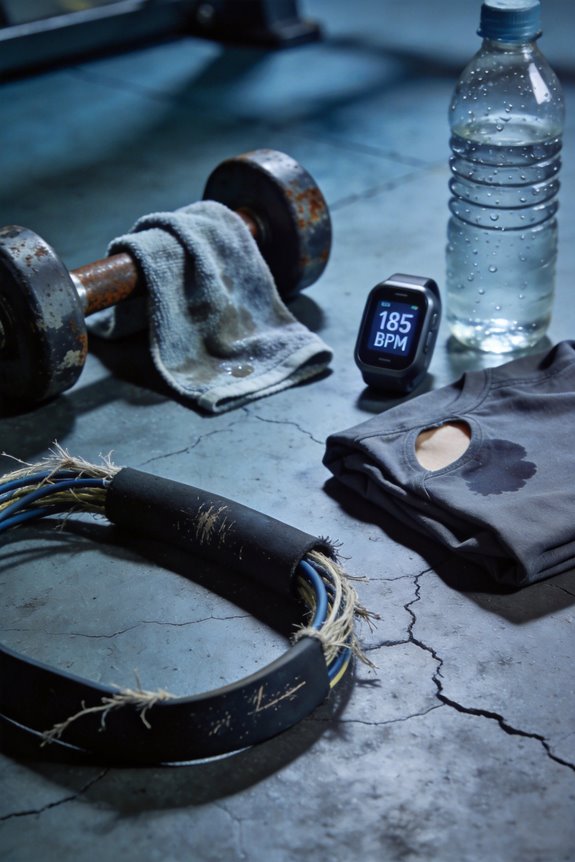
Are you working out hard, hitting your goals, but still feeling off? It’s easy to overlook the signs of Overtraining Syndrome (OTS), especially when you’re passionate about fitness.
In the first stage, you might notice things like muscle soreness that just won’t quit, sudden changes in your weight, or maybe you’re feeling a bit more anxious than usual. You might even struggle to get quality sleep. As things progress to Stage 2, the symptoms can ramp up significantly. Insomnia may kick in, your mood could swing like a pendulum, you could experience a racing heart, and hypertension might rear its head.
Then, there’s Stage 3. This is where things can get serious. If you’re feeling extremely fatigued, battling deep depression, or just can’t seem to muster the motivation to get to the gym, it’s a clear signal that something’s off. Here’s the trick: pay attention to how you feel between workouts. If you’re finding it hard to recover, or if that nagging muscle soreness sticks around day after day, you could be teetering on the edge of overtraining.
So, why does this matter? Ignoring these signs can lead to long-term issues that could derail your fitness journey. It’s really important to tune in and listen to your body. These stages are there for a reason, and recognizing them early can help you stay on track. Additionally, managing your comfort and recovery with proper attire, such as moisture-wicking base layers, can aid in preventing overtraining symptoms.
Implementing Recovery Strategies for Overtraining
Ever felt like you’ve hit a wall with your workouts? If you’re dealing with symptoms of overtraining, you’re not alone. Getting back on track doesn’t have to be a struggle, but it does mean it’s time to focus on recovery strategies.
First off, don’t underestimate the power of complete rest. Seriously, when you start feeling burnt out, your body is screaming for a break. The duration of recovery isn’t the same for everyone, so listen to what your body is telling you. Instead of pushing through the fatigue, try gentle activities—things like walking or yoga can keep you moving without making you feel worse.
Now, let’s talk sleep. Prioritizing quality rest is crucial for recovery. You might even want to consider fitting in some daytime naps to help combat that overwhelming fatigue. Remember, training hard without proper recovery is just asking for trouble.
When you do feel ready to hit the gym again, take it slow. Gradually reintroducing physical activity is the way to go. Keep an eye on how your body responds. So, why does this matter? Because the goal is to prevent overtraining from happening again in the future.
Finally, nutrition plays a huge role in recovery. Make sure you’re eating the right stuff to support your body’s healing process. Focus on nutrient-dense foods that help with recovery.
Also, consider investing in proper gear like compression leggings to support muscle recovery and enhance circulation during and after workouts.
To sum it up, take a step back, listen to your body, and prioritize rest and nutrition. Getting back to your usual routine doesn’t mean you have to rush—slow and steady wins the race. How do you plan to take better care of yourself in your training?
Nutrition Tips for Effective Recovery
After a tough workout, do you ever wonder why your recovery feels slow? Proper nutrition is key to bouncing back and getting ready for your next session.
First off, let’s talk about protein. Aim for about 1.2 to 2.0 grams of protein per kilogram of your body weight every day. This helps repair those hard-working muscles. But don’t forget about carbs! Right after exercising, try to eat around 1.0 to 1.2 grams of carbs per kilogram within the first 30 minutes. This way, you can replenish those glycogen stores that fuel your workouts.
And hydration? It’s super important. Drinking 500-700 mL of water after you exercise will help replace fluids you lost during your sweat session. Feeling sluggish is often a sign you’re not drinking enough.
Here’s the trick: if you’re really pushing yourself, you might need an additional 300-500 calories a day based on how hard you train. This keeps your energy levels up and prevents that drained feeling. Plus, make sure you’re getting plenty of vitamins and minerals, especially C and E, as they help reduce oxidative stress and aid with muscle healing.
Equally important is choosing gear with moisture-wicking fabrics during exercise to help manage sweat and maintain comfort, which supports better recovery.
So, why does this matter? Without the right nutrition, recovery can drag on, which means you’re not ready for your next big workout. Keeping these tips in mind can make a big difference in how you feel and perform.
Don’t forget, recovery is just as crucial as the workout itself. What steps are you taking to ensure you bounce back faster?
Preventing Overtraining During Training
Are you feeling drained after your training sessions? Overtraining can sneak up on anyone, and it’s crucial to prioritize rest so your body can bounce back. Think about adding one or two recovery days each week; it really can make a difference in fighting off that fatigue.
Monitoring your training loads is something you can’t overlook. Keeping a training log helps you track not just your performance but also how you’re feeling. So, when you notice you’re not hitting those usual numbers, that’s your cue to adjust your intensity.
Here’s the trick: periodization is key—mix up your training intensity and volume. This balance helps you avoid burnout while still getting the gains you want. And let’s not forget about nutrition. Eating the right amount of carbs keeps your muscles fueled and ready for action.
Regularly checking in on your physical and mental fatigue is just as important. Feelings of tiredness can tell you when to hit the brakes on intensity. The earlier you respond to these signs, the better you’ll avoid overreaching and the dreaded symptoms of overtraining.
Ultimately, recovery is as important as the workout itself. Taking the time to rest means you’re setting yourself up for long-term success. So, how do you plan to incorporate more rest into your routine? Incorporating breathability for comfort in your training gear can also help manage physical stress during workouts.
The Importance of Listening to Your Body
How can you truly improve your training if you’re not paying attention to what your body is telling you? Listening to your body is crucial for catching the early signs of overtraining. If you’re feeling constantly tired, experiencing mood swings, or noticing a dip in your performance, it might be time to reassess. It’s surprising, but research states that as many as 61% of serious runners go through this at some point.
Focus on how your body feels—are those sore muscles lingering longer than usual? Are you taking longer to recover after workouts? You can use this information to figure out when to dial back the intensity or take a much-needed rest day. Also, don’t forget to communicate with your coach. Sharing how you’re feeling helps both of you manage your training loads effectively.
Ignoring your body’s signals isn’t just risky; it can lead to long-term issues with your performance and a higher chance of getting injured. So, why does this matter? Well, prevention is key if you want to keep training safely and effectively. Using lightweight, breathable fabrics with moisture-wicking features can also help you stay comfortable and reduce physical stress during outdoor workouts.
When Should You Seek Help for Overtraining Symptoms?
Are you feeling constantly drained, even after a good night’s sleep? It might not just be a lack of rest. When you experience prolonged fatigue that doesn’t seem to get better, it could be a sign of overtraining syndrome. Don’t brush it off—this is when it’s time to reach out for help.
It’s also important to pay attention if you’re feeling more irritable or anxious than usual. Sometimes, our mental health takes a hit when our bodies are pushed too hard. If this sounds familiar, consulting a mental health professional can be really beneficial.
Keep an eye on your physical well-being too. Weight changes, a loss of appetite, or regular injuries like sprains and strains are all signals you shouldn’t ignore. Think about it—what your body is trying to tell you is crucial. Sleep disturbances also play a part in this puzzle. If you’re tossing and turning at night, that’s a clear indicator that something’s not right.
To catch these signs early, stay in tune with your body. Communicating any changes to your coach or healthcare provider can lead to effective interventions. The sooner you address these concerns, the better your recovery will be, allowing you to stay healthy and perform at your best. Wearing supportive compression gear can also help reduce physical strain and improve recovery during intense training periods.
Frequently Asked Questions
Can Overtraining Affect Mental Health as Well?
Yes, overtraining can impact mental health. We’ve seen it lead to mental fatigue, mood swings, and elevated anxiety levels, affecting cognitive function and diminishing emotional resilience, ultimately increasing burnout symptoms and depression risk.
What Role Does Hydration Play in Preventing Overtraining?
Hydration’s crucial in preventing overtraining—much like fine-tuning a classic instrument. By maintaining electrolyte balance and optimizing fluid intake, we can reduce dehydration effects, aid recovery time, and enhance performance while recognizing symptoms in our training intensity.
How Long Does It Take to Recover From Overtraining?
It typically takes weeks to months for recovery, depending on training intensity and symptoms. Adequate rest days, good nutrition, and quality sleep are essential. We should always heed coaching advice and remain aware of overtraining symptoms.
Can Overtraining Lead to Chronic Injuries?
Absolutely, overtraining can lead to chronic injuries. Imagine a runner pushing through joint pain, ignoring muscle strain; eventually, they face severe chronic fatigue and performance decline, requiring extensive rehabilitation strategies and long recovery times to heal.
Is Overtraining More Common in Specific Sports or Activities?
Overtraining tends to be more common in endurance sports and high impact activities, like competitive events. Individual sports and long duration training often strain us, unlike low impact exercises or recreational activities that typically lessen the risk.