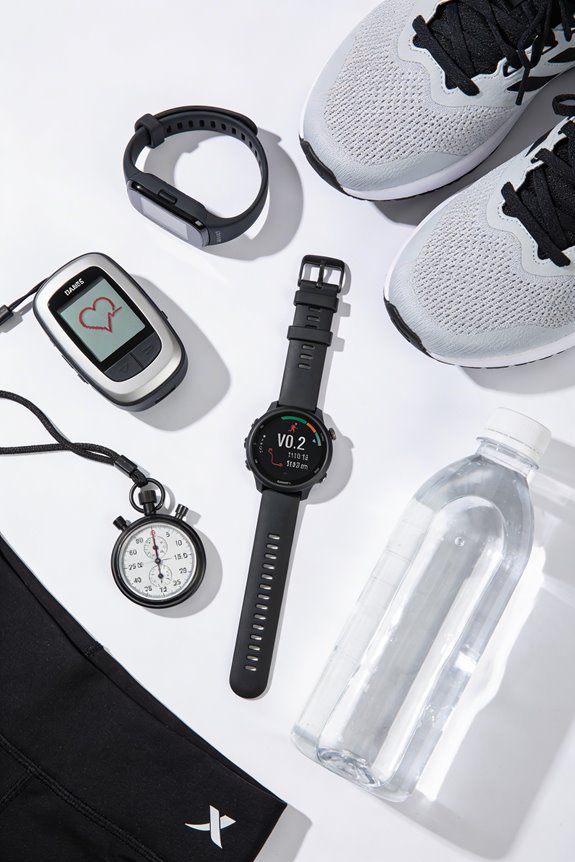

To understand VO2 max and improve it naturally, we should focus on regular aerobic and interval training. VO2 max measures our maximum oxygen consumption during intense exercise, reflecting our cardiovascular fitness. We can enhance it by engaging in high-intensity interval training (HIIT) several times a week: combining intense efforts with short rests can lead to significant improvements. Nutrition, hydration, and specific supplements like adaptogens also play essential roles. Explore further for effective methods and insights into overcoming challenges.
Key Takeaways
- VO2 max measures the maximum oxygen your body uses during intense exercise, reflecting cardiovascular fitness and health levels.
- Regular aerobic exercise, like running or cycling, can significantly enhance VO2 max and overall endurance.
- Incorporating high-intensity interval training (HIIT) into your routine helps improve VO2 max by alternating intense effort with rest periods.
- Maintaining proper hydration and nutrition is essential for optimal performance and recovery during training aimed at increasing VO2 max.
- Allow adequate recovery time to prevent overtraining, supporting physiological adaptation and continued VO2 max improvement.
What Is VO2 Max and Why Does It Matter?
Have you ever wondered how fit you really are? VO2 max is a big part of that picture. It measures the most oxygen your body can use during intense exercise. This number isn’t just a fun fact; it reflects your cardiovascular fitness, and believe it or not, having a higher VO2 max can lower your risk of certain diseases and help you live a longer, healthier life.
Here’s a quick breakdown: untrained folks usually have VO2 max values between 27-40 mL/kg/min. But trained athletes? They often shoot past 50 mL/kg/min. If you’re more into endurance sports, like cross-country skiing, you might even see values as high as 96 mL/kg/min! So, how can you boost your own VO2 max? Regular training is the key.
Honestly, you don’t need to be an athlete to focus on this. Keeping an eye on your VO2 max can help you tailor your workouts and ramp up your aerobic capacity, which is super important for overall fitness. The best part is that improving this metric can also bring you tons of health benefits.
You might be wondering why it matters to track this number. Well, it gives you a way to measure your progress and see how your training is paying off. So, are you ready to get serious about your fitness? By focusing on your VO2 max, you can make the most of your training and feel great while doing it. Using adjustable fitness gear can help you maintain your training routine safely and effectively during all conditions.
How Is VO2 Max Measured in Different Settings?
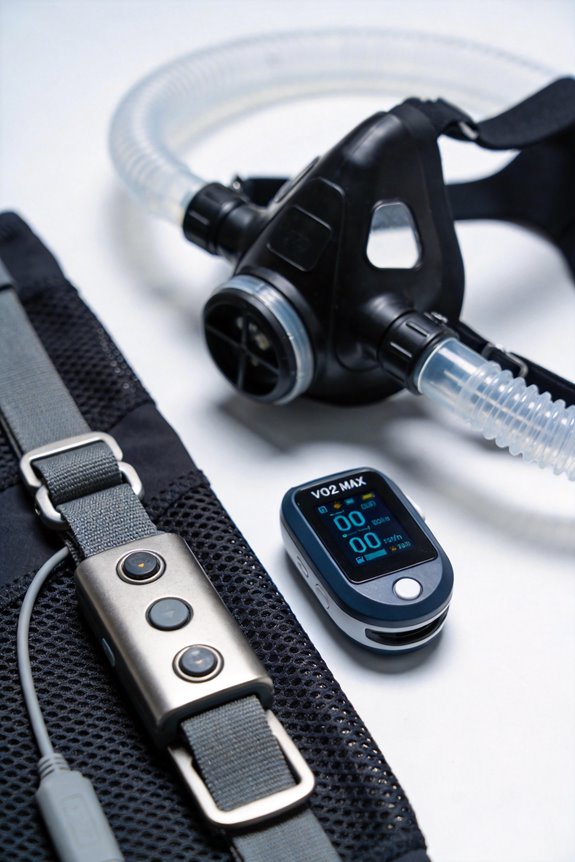
Measuring VO2 max can feel a bit daunting, especially if you’re not familiar with the whole process. When you think about it, finding out how much oxygen your body can use during intense exercise can be super helpful for your fitness journey. So, how do you do it? Let’s break it down.
In controlled lab settings, the process is pretty straightforward. You wear a mask and a heart rate monitor while pushing yourself on a treadmill or stationary bike. This workout usually lasts between 10 to 20 minutes, gradually ramping up in intensity. It can feel tough, but the precision you get from this method can’t be beat.
If labs aren’t your thing, don’t worry. Field tests like the one-mile walk can give you a good estimate of your VO2 max. You just keep an eye on your heart rate responses to exercise, and voilà! It’s a nice way to get insights without all the lab gear.
And let’s not forget about those handy fitness trackers. Many devices can give you an estimate of your VO2 max by looking at your heart rate variability and activity levels. Some of them, like the Apple Watch, have shown impressive accuracy, but keep in mind that not all trackers are created equal. You might find that factors like your age, gender, and fitness level play a big role in the results you see.
So, why does this matter? Knowing your VO2 max can help tailor your workouts for better results. Choosing the right gear, including cushioned running shoes that support your training intensity, can also enhance your performance and comfort during these exercises.
Benefits of Improving Your VO2 Max for Overall Health
Ever feel like you’re running out of steam halfway through a workout or even just chasing after your kids? A lot of us can relate to that struggle, and here’s the kicker: improving your VO2 max can help with this. When you boost your aerobic capacity, you’re not just getting better at exercise; you’re also reducing your risk of serious health issues like heart disease, diabetes, and even some types of cancer. It’s about longevity and how to enjoy life as we age.
Here’s the deal. As you work on your VO2 max, your body gets better at using oxygen. This means your muscles can work harder for longer periods without feeling like they’re about to give up. Strengthening your muscles not only helps with workouts but also keeps daily activities easier. Plus, studies show that even small improvements in your VO2 max can enhance athletic performance and speed up recovery times. It’s a win-win.
What’s more, boosting your aerobic capacity can lead to better sleep and improved mental health. When your body performs better, you might find yourself feeling more energetic and ready to tackle the day. The best part is that it doesn’t take a ton of time or crazy workouts to see results. Just a consistent fitness routine that focuses on aerobic exercises can make a big difference.
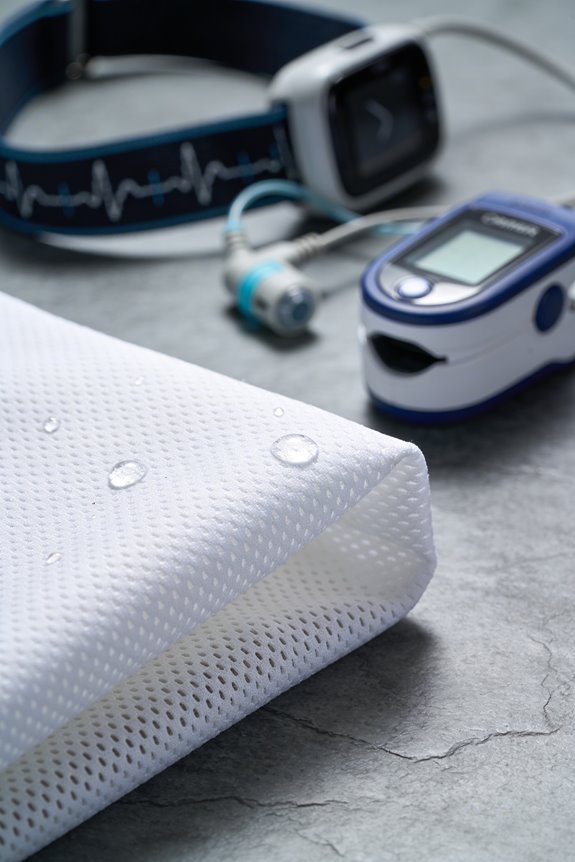
Try this: mix in some interval training or long, steady runs into your fitness routine. It doesn’t need to be complicated, and every bit counts. Another way to stay comfortable and supported during your workouts is to choose apparel made from moisture-wicking fabrics that keep you dry and prevent chafing. So, why does this matter? Because investing in your VO2 max means you’re actively working towards a higher quality of life. It’s about feeling good, staying active, and enjoying all the little things, longer.
To wrap it all up, focusing on your VO2 max is a smart move for long-term health. Are you ready to take that step towards being more active and healthy?
5 Effective Aerobic and Interval Training Methods to Naturally Boost Your VO2 Max
Looking to pump up your VO2 max? You’re not alone. Many people struggle with improving their cardiovascular fitness, and it can feel frustrating at times. But incorporating aerobic and interval training into your workout routine can make a significant difference.
High-intensity interval training (HIIT) is a fantastic way to boost your VO2 max. By alternating between intense activity and short rest periods, you’ll see more impressive results than if you stick to steady-state exercises. If you enjoy running or cycling, aim to do these activities at least 3-4 times a week. Keeping your heart rate elevated during these sessions is key to continuous improvement.
Here’s the trick: blend your interval workouts with longer, continuous efforts. Mixing it up keeps your body guessing and can lead to better results overall. When tackling your workouts, push your heart rate close to 90-95% of your maximum. It might feel tough, but that’s where the magic happens.
Don’t forget to keep an eye on your VO2 max especially as you progress through your training. Tracking your improvements isn’t just motivating; it’s a great way to optimize your efforts going forward. Wearing breathable gym leggings can help keep you comfortable and focused during intense workouts.
How Nutrition and Supplements Enhance VO2 Max
Have you ever noticed how some athletes seem to have endless energy and can push their limits without breaking a sweat? Nutrition and supplements play a huge role in that. They can seriously boost your VO2 max, which is essential for improving your athletic performance. A well-rounded diet is pivotal for keeping your energy levels up and helping your body recover. This, in turn, supports your aerobic capacity, which is key for endurance activities.
Don’t underestimate hydration—it’s so important. Even slight dehydration can hurt your VO2 max, so make sure you’re drinking enough fluids, especially during long training sessions. Staying hydrated can be the difference between a strong finish and hitting a wall.
To really elevate your performance, consider adding adaptogens like Cordyceps and Beta-alanine to your routine. These can enhance muscle health and promote the type of fitness adaptations that will help improve your VO2 max. And while we’re on the topic of supplements, you might want to check out products like VO2-Boost. They often contain beneficial adaptogens and B vitamins that could make a noticeable difference in just a few weeks.
Also, let’s talk about calories. Are you eating enough? If you’re not taking in enough energy, it can really slow down your progress and hinder those VO2 max improvements you’re aiming for.
In addition, selecting hypoallergenic products can help prevent scalp irritation that might otherwise distract from maintaining a consistent workout and nutrition routine.
Common Challenges to Increasing VO2 Max and Effective Solutions
When you’re aiming to boost your VO2 max, it’s common to face some roadblocks. One of the biggest issues is often the absence of high-intensity interval training (HIIT) in your program. If you haven’t tried incorporating HIIT, give it a shot! It really can up your VO2 max by pushing your limits.
Another problem is not allowing for enough recovery time. Rushing into your next workout without proper rest can lead to overtraining, and that’s the last thing you want because it can hurt your cardiovascular fitness. You need those down days to let your body rebuild and adapt.
Let’s not forget about the monotony in training routines. Mixing things up isn’t just fun—it’s crucial for your progress. Try adding variety with different workouts, terrains, and pacing.
And here’s the trick: pay attention to your nutrition and hydration. Make sure you’re staying hydrated and getting enough calories to fuel your training. That’s essential for boosting your performance.
Additionally, using breathable athletic tapes can provide extra support during intense workouts without causing discomfort or irritation.
Frequently Asked Questions
How Long Does It Take to See VO2 Max Improvements?
We’ll typically notice VO2 max improvements within four to eight weeks of dedicated aerobic conditioning. Through interval training, consistent routines, and mindful nutrition, our heart rates adapt, paving paths to enhanced endurance and recovery.
Can Age Affect VO2 Max Levels?
Yes, age can affect VO2 max levels. We experience age-related decline in aerobic capacity due to hormonal changes, muscle mass loss, and decreased metabolic rate, but regular exercise and healthy lifestyle choices can counteract this impact.
Are There Specific Breathing Techniques to Enhance VO2 Max?
Yes, we can use breathing exercises like diaphragmatic and nasal breathing, along with pursed lips and rhythmic breathing. Incorporating breath control and exhalation techniques through meditation practices or altitude training can enhance our inspiratory muscle efficiency.
How Do Genetics Influence VO2 Max Potential?
They say “you can’t choose your family,” and genetics play a vital role in VO2 max. Genetic markers influence aerobic capacity, affecting muscle fibers and mitochondrial density, while environmental factors shape our overall training response and performance potential.
What Role Does Hydration Play in Improving VO2 Max?
Hydration plays an essential role in improving VO2 max. With ideal fluid intake and effective hydration practices, we can maintain moisture balance, support electrolyte balance, and combat dehydration effects during exercise, ensuring our hydration strategy is on point.