Active recovery serves an essential role in our fitness routine; it involves low-intensity exercises like walking, yoga, or light cycling that enhance blood flow and recover muscles. These activities help flush out metabolic waste; they can reduce soreness and aid in muscle healing by delivering oxygen and nutrients. Ideal sessions last 20 to 45 minutes at a heart rate of 50-60% of max. This technique can lead us toward improved performance, and there’s more to explore about its benefits.
Key Takeaways
- Active recovery enhances blood circulation, delivering vital nutrients and oxygen to muscles, which aids in their repair and growth.
- Light activities during active recovery help flush metabolic waste from muscles, reducing soreness and accelerating the healing process.
- Incorporating dynamic stretching in active recovery promotes flexibility and range of motion while preventing injuries.
- Engaging in low-intensity exercises releases endorphins, improving mood and reducing anxiety, contributing to overall mental well-being.
- Active recovery contrasts with passive rest by encouraging movement that aids quicker muscle recovery, avoiding wasted recovery time.
What Is Active Recovery and Why Does It Matter?
Active recovery is something every fitness enthusiast should think about. We all know the feeling after a tough workout—soreness can be a real drag, right? That’s where active recovery comes in. It’s all about doing low-intensity exercises that boost blood flow and aid your muscles in healing.
So, what are these gentle activities? You might consider going for a leisurely walk, doing some light yoga, or even a casual bike ride. These activities aren’t just enjoyable; they can actually help decrease muscle soreness and flush out metabolic waste. So, why does this matter? Well, research shows that active recovery helps maintain your performance level and keeps injuries at bay.
Try this: dedicate 20 to 45 minutes to active recovery a few times a week. Keep your heart rate at about 50-60% of its max. You’ll find that incorporating this into your routine makes a noticeable difference. You’ll not only feel better but also be more prepared for that next intense workout.
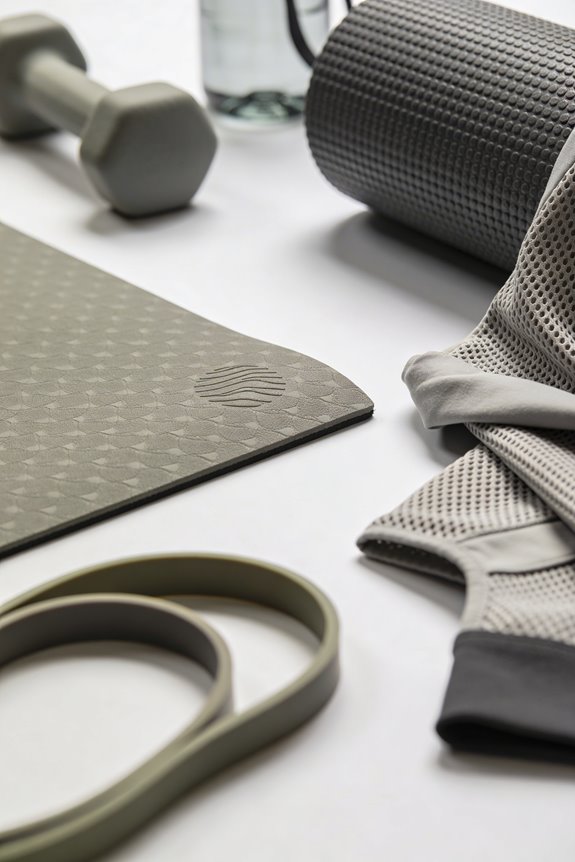
The best part is that you don’t have to push yourself too hard—you can take it easy and still see benefits. Simply showing up and moving your body at a lower intensity is key. Wearing lightweight, breathable fabrics during active recovery can further enhance comfort and performance.
Recommended Activities for Effective Active Recovery Days
Have you ever felt sore after a tough workout and wondered how to bounce back? Recovery days don’t have to be boring; in fact, they can be quite enjoyable! Choosing light activities can make all the difference in how you feel and help your body heal faster.
Try mixing in some walking, yoga, or swimming. These activities aren’t just relaxing; they get your blood flowing, which aids muscle recovery and reduces soreness. If you’re up for it, dynamic stretching can be more beneficial than static stretching. It’s a great way to loosen up and improve your flexibility, which is key for getting back to your regular routine without feeling stiff.
Foam rolling and gentle cycling are fantastic, too. They stimulate circulation and help deliver oxygen to your muscles without putting too much strain on your body. Ideally, aim for your active recovery sessions to last around 20 to 45 minutes. Keeping your heart rate at about 50-60% of its maximum is perfect.
Not sure where to start? Here’s what you could do:
- Go for a walk in the park.
- Join a gentle yoga class online.
- Try swimming a few leisurely laps.
Honestly, doing these activities 1-3 times a week can contribute to your recovery and even help prevent injuries. So, what’s stopping you from incorporating these into your week? Taking a little time for active recovery will keep your fitness journey on track without burning you out.
In short, don’t underestimate the power of active recovery. What’s one light activity you’re excited to try this week? Incorporating breathable fabrics in your workout clothes can enhance comfort during these recovery sessions.
Key Signs You Need Active Recovery to Prevent Overtraining?
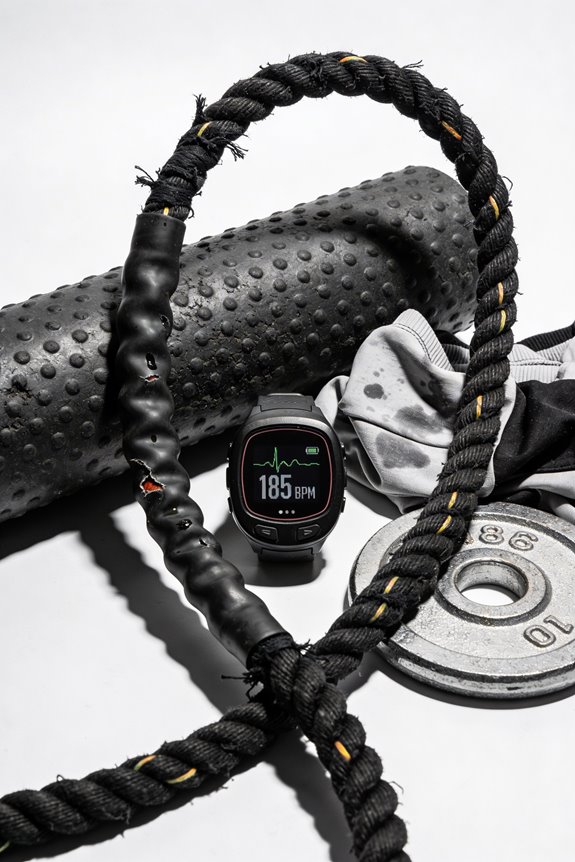
How do you know when it’s time to ease off those intense workouts? It’s not always easy to spot, but there are some clear signs that might mean you need a little active recovery. If you’re feeling persistent muscle soreness that sticks around longer than usual, it’s a sign your body could use some time to heal up.
Have you ever noticed tasks that were once simple suddenly seem tough? That drop in performance can be a big clue. Emotional shifts matter too—feeling moody or unmotivated can take a toll on your overall mental state. You might even feel more tired before your workouts, which signals you’re likely pushing too hard. Then there’s that annoying trend of getting sick more often, which can mean your immune system is taking a hit.
So, listen to your body. Here are some things to watch for:
- Ongoing muscle soreness
- Decline in workout performance
- Mood swings or low motivation
- Fatigue before workouts
- Increased illness
Recognizing these signs is key to prioritizing active recovery. This isn’t just about avoiding injuries; it’s also about your overall health and well-being. After all, nobody wants to feel burnt out and drained.
When’s the last time you took a proper break? Maybe it’s time to give yourself permission to recharge. Incorporating breathable and lightweight materials in recovery gear can enhance comfort and aid in the recovery process.
Why Active Recovery Is More Effective Than Passive Rest
Have you ever felt like just lying on the couch for days after a tough workout? Many of us think that resting completely is the key to recovery, but jumping into active recovery can actually work wonders for your body. Engaging in easy activities, like taking a stroll or cycling at a gentle pace, boosts your blood flow, which helps wash away metabolic waste and eases that annoying muscle soreness you might feel later.
According to the American Council on Exercise, active recovery is especially effective in lowering blood lactate levels. This means your muscles can bounce back quicker compared to just sitting still. Try this: aim to keep your heart rate around 50–60% of your max for about 20 to 45 minutes. By doing this, you not only support your joints and flexibility but also kickstart the healing process.
So, why does this matter? When you choose active recovery over passive rest, you’re preparing your body for your next workout rather than just waiting around. And honestly, who wants to waste all that time on the couch when you could be getting your body back in action? Incorporating tools like ergonomic cushioning can enhance your comfort and reduce strain during light recovery exercises.
In short, don’t underestimate the power of a little movement after a tough session. It could be the key to helping you feel your best and ready to tackle your next exercise challenge. Give it a shot! What’s your go-to active recovery exercise?
How Active Recovery Boosts Muscle Repair and Growth
Active recovery is something we all need to consider if we’re serious about muscle repair and growth. After a tough workout, it’s tempting to just crash on the couch and chill. But here’s the kicker: engaging in low-intensity activities like walking or swimming is a way to really help your body. When you keep moving gently, you’re increasing blood flow to your muscles. This boost in blood circulation is important because it delivers the nutrients and oxygen your muscles need to recover and grow.
Ever notice how you feel less sore after taking a light jog or a leisurely swim? That’s no coincidence. Active recovery helps flush out metabolic waste from your muscles, speeding up the recovery process and letting you get back to training sooner. Studies have shown that easy movements can significantly reduce muscle soreness. So, if you want to feel better faster, this is a no-brainer.
Here’s a tip: try incorporating some dynamic stretching into your active recovery days. It can improve your flexibility and range of motion, which is critical for overall performance. You can keep those muscles engaged without putting too much strain on them. Think about it this way—when you exercise, you cause tiny tears in your muscles. To grow stronger, your body needs a little help with the repair process, and active recovery provides that support.
The best part is that it’s all about listening to your body. Not every day needs to be about hitting the gym hard. Sometimes, just moving in a light and enjoyable way makes a world of difference. So the next time you feel that post-workout fatigue setting in, remember that you don’t have to stop moving entirely to aid in your recovery.
Active recovery can be a huge part of your fitness journey. It helps you bounce back while staying connected to your physical activity. For athletes, pairing active recovery with compression technology in recovery shorts can further reduce soreness and improve muscle stabilization. So, how are you planning your recovery days?
Best Duration and Intensity for Active Recovery
Have you ever felt sore and stiff after a tough workout and wondered how to bounce back? Active recovery is your answer. To really make the most of these sessions, aim for a moderate intensity—about 50-60% of your maximum heart rate. This gentle activity can work wonders for muscle repair and boost blood circulation, both of which are essential for recovery.
So, what does this look like in practice? You’re looking at sessions lasting between 20 to 45 minutes. That’s enough time to really help your body heal without pushing it too hard. It’s usually best to sneak in active recovery about 1 to 3 times a week, but adjust based on how hard you’ve been training. Try activities that feel good—think walking, light jogging, swimming, or even some gentle yoga.
Why bother? Consistent active recovery can seriously cut down on that dreaded delayed onset muscle soreness (DOMS). In turn, you’ll likely find you’re performing better in your next workout. Truth is, taking care of your body now pays off later. Wearing insulated outdoor jackets during recovery activities can help maintain optimal body temperature and comfort outdoors.
How Active Recovery Can Boost Your Mental Health
When it comes to recovery, many of us might think it’s just about doing nothing. But that’s not the whole story! Engaging in low-intensity exercises on those recovery days can actually do wonders for your mental health.
Active recovery activities, like walking or doing some yoga, can release those feel-good endorphins in your body. This little boost can seriously elevate your mood and help cut down on anxiety or feelings of depression. So, why not give it a shot? Just a bit of light movement can help lower stress levels and clear your mind, positively impacting your emotional well-being.
Try this: Incorporate gentle exercises into your fitness routine. Not only do they feel good, but they also foster a sense of accomplishment and motivation. Research has shown that sticking to a regular active recovery schedule can lead to greater satisfaction with your training. Plus, it provides those golden moments for mindfulness, which is a big win for your mental resilience and cognitive function.
Here’s an idea worth trying: mix in some active recovery into your week. Think of it as a refreshing break rather than a rest. Connecting with your body through these activities can help you feel more grounded and energized as you continue on your fitness journey. Wearing workout sets made from moisture-wicking fabrics can enhance comfort during these light activities, keeping you dry and focused.
Integrating Active Recovery Into Your Training Schedule
Feeling worn out from your workouts? It might be time to add some active recovery to your routine. Trust me, incorporating these sessions can really boost your performance and overall well-being. Aim for 1 to 3 active recovery days each week, especially after those high-intensity workouts or on your designated rest days.
What kind of light activities can you try? Simple movements like walking or yoga are great options. They keep your body moving while helping your muscles recover. You should focus on keeping your heart rate around 50–60% of your max during these sessions. This steady pace promotes better blood flow and helps deliver the nutrients your muscles need to bounce back. Keeping these sessions between 20 to 45 minutes is key. It aids circulation and keeps you from feeling stiff.
Don’t forget to throw in some dynamic stretching too. That’ll really help with your flexibility and can reduce your chance of injury down the line. So, why does this matter? It’s all about finding the right balance between hitting your training goals and allowing your body to rest and recover.
If you want to make the most of your training, consider jotting down your workouts in a daily log. It’ll help you track your progress and ensure you’re not overdoing it.
Incorporating active recovery isn’t just a nice-to-have; it’s essential for long-term success. Wearing comfortable clothing made of moisture-wicking fabrics during these sessions can keep you cool and dry, enhancing your recovery experience.
Have you thought about how a simple walk or a gentle yoga session could fit into your week? Give it a shot and see how you feel!
Debunking Myths: What You Really Need to Know About Active Recovery
What’s the deal with active recovery? You might wonder why it’s important for your fitness routine. Well, active recovery involves light physical activities like walking, yoga, or swimming, and it has some serious benefits. These activities boost blood flow and help your muscles heal. You can actually help ease that pesky delayed onset muscle soreness (DOMS) while speeding up recovery time by getting up and moving.
So, how does it work? Research suggests that keeping your heart rate at about 50-60% of its max for 20-45 minutes can be great for everyone, no matter your fitness level. Plus, if you throw in some dynamic stretching, you’re going to improve your range of motion and lower your chances of getting injured.
Here’s the trick: aim to fit active recovery into your week 1 to 3 times. It’s not just about catching your breath; it helps manage muscle fatigue and keeps you performing at your best. If you’re serious about your workouts, consider this a vital piece of your fitness puzzle.
Truth is, staying active doesn’t just help you recover—it also keeps you on track for those ongoing performance gains. So, why not make active recovery a regular part of your routine? You may be surprised at how much it helps! Wearing moisture-wicking fabrics during your active recovery can enhance comfort by regulating body temperature and drying sweat quickly.
Frequently Asked Questions
What Is the Science Behind Active Recovery?
Active recovery enhances muscle repair by promoting blood circulation and lactate clearance. It provides physiological benefits like improved joint mobility and ideal workout intensity, making it a key recovery technique to incorporate into our routine regularly.
What Is the 2 2 2 Rule in Gym?
When we think about gym techniques, the 2 2 2 rule balances our workout intensity: two days of strength training, two of aerobic exercises, and two of active recovery. It’s key for muscle recovery and peak performance enhancement.
Does the 7 Minute Chair Workout Really Work?
Absolutely, the 7 minute chair workout’s effectiveness shines through its time-efficient nature. Our seven minute routine boosts circulation, fits various intensity levels, and dispels fitness myths while supporting muscle recovery and aerobic benefits for all.
What Is the Science Behind Rest Days?
Rest days’ science reveals essential benefits: they promote muscle repair, energy restoration, performance enhancement, and hormonal balance. By ensuring cellular recovery and injury prevention, we enhance flexibility and mental rejuvenation, ultimately improving our workout efficiency.