
Understanding switchbacks is essential for traversing trails safely. These zigzag paths help us tackle steep climbs while protecting vegetation and minimizing erosion. As we approach a switchback, we should slow down and yield to uphill travelers. When biking, we must manage speed, maintain control, and use verbal cues. Keeping dogs leashed enhances safety, and we need to avoid taking shortcuts to preserve trail integrity. For more insights on maintaining our trails, we can look deeper into this topic.
Key Takeaways
- Switchbacks create safe, manageable trails for steep climbs while reducing erosion and preserving surrounding vegetation.
- Uphill hikers have the right of way; always yield to them and step off to the uphill side when encountering others.
- Use verbal cues or bells to indicate your presence while biking; maintain control and avoid cutting corners to protect the trail.
- Keep dogs leashed and under control to prevent disruption and ensure safety for all trail users.
- Communicate respectfully by greeting others and signaling when approaching narrow spots, enhancing the overall trail experience.
Understanding Switchbacks: Key Concepts
When you’re hiking in the mountains, ever wondered why those zigzag trails, or switchbacks, are so important? Understanding them can really make your journey safer and a lot more pleasant. These switchback trails aren’t just there for show; they help you tackle steep climbs without the risk of slipping or eroding the path. Sticking to these designated paths is crucial. It keeps the trail intact and preserves the lush surroundings.
You might be thinking, what’s the big deal about following the trail? Well, not only does it ensure the path stays as it should, but it also protects all the lovely vegetation around us. This is part of good trail etiquette, fitting snugly within the Leave No Trace principles that many of us aim to follow when we’re out in nature.
Now, about those switchbacks—properly made ones have a specific turn radius that keeps the slope at a manageable angle. This design helps with water runoff when storms hit, which in turn reduces wear on the trail. So, what does all this mean for you? Simply put, when you follow these guidelines, you’re contributing to a trail that lasts, making it better for future hikers who share our love for the great outdoors.
Choosing the right gear, such as lightweight hiking pants with quick-drying fabrics, can enhance your comfort while navigating these trails.
The Importance of Switchbacks in Trail Design
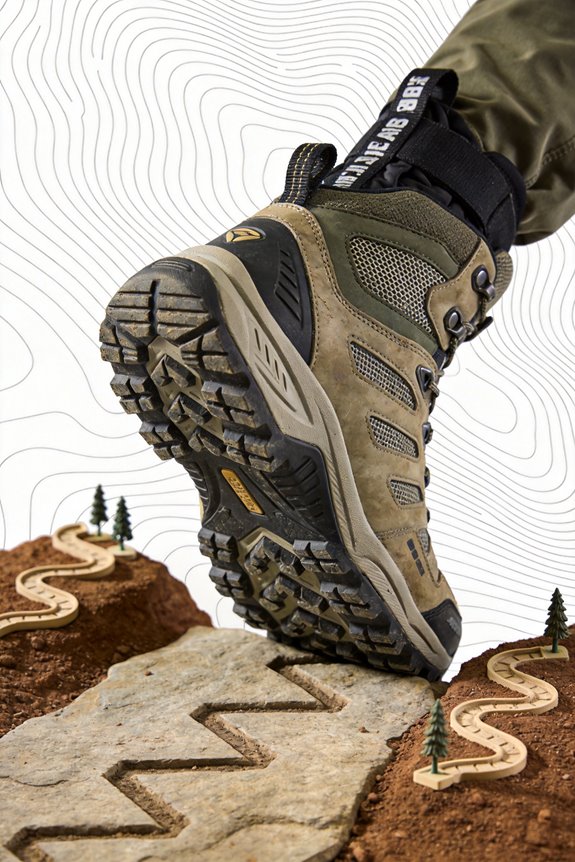
Switchbacks are a lifesaver when you’re hiking or biking on steep trails. Have you ever tackled a trail that felt like climbing a wall? That’s where switchbacks come in. They take a steep path and turn it into a more manageable slope, making it much easier to navigate those tough spots.
Here’s the trick: switchbacks also play a huge role in protecting the environment. By offering a more gradual incline, they help reduce erosion, which is a common issue on direct, steep trails. Think about it—less erosion means fewer trail repairs, and we can all enjoy our time outdoors without worrying about damaging the land.
When switchbacks are built right, they do an amazing job of spreading out foot and bike traffic. This means less wear and tear on the trail, which keeps it narrow and preserves the nearby habitat. That’s good news for everyone, whether you’re out there hiking with friends or biking with family. Plus, these winding paths often provide beautiful views and little spots to catch your breath.
But, here’s the catch—keeping these features in good shape requires our attention. Problems like water runoff or shortcuts taken by hikers can wreck their effectiveness, leading to more erosion and trail issues. It’s crucial that we appreciate and maintain switchbacks; they truly enhance the outdoor experience. Wearing the right outdoor jacket insulation can also help you stay comfortable while navigating these challenging trail conditions.
Safety Tips for Navigating Switchbacks
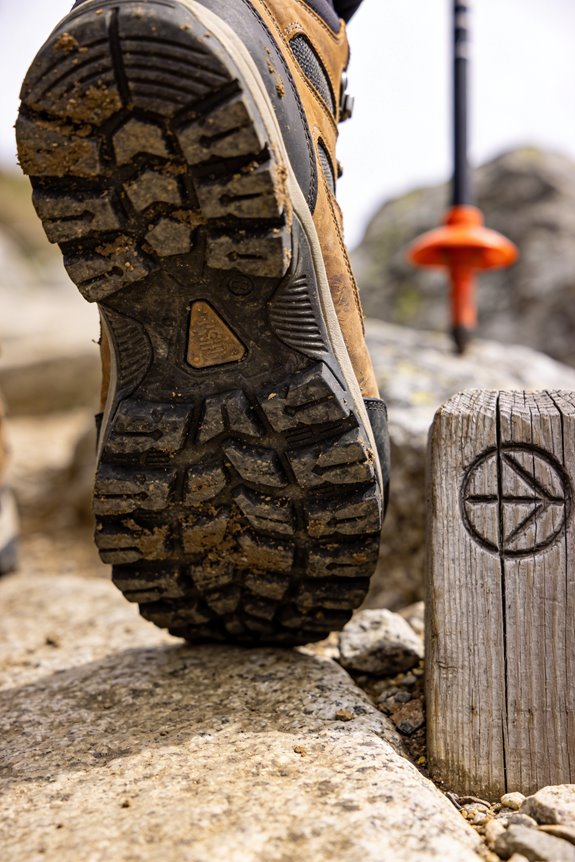
Maneuvering switchbacks can feel tricky, but keeping safety in mind makes all the difference. Ever found yourself racing down a turn only to realize too late that you’ve lost control? Slowing down as you approach a switchback isn’t just a good habit; it helps you keep your balance and avoids any nasty collisions with other trail users.
Stay on the marked path—cutting corners might seem like a shortcut, but it’s a sure way to cause erosion and hurt the delicate plants nearby. If you’re concerned about the trail’s future (and I think many of us are), sticking to the designated route is key.
When you’re navigating those turns, don’t forget about the folks around you. Visibility can drop in these spots, creating blind corners that can catch you off guard. A simple shout or ring of a bell to alert others goes a long way. And if you happen to be going downhill while others are heading up? You’ll want to yield to those uphill travelers. They’re often putting in a lot of effort to climb, so giving them the right of way is just good trail etiquette.
Wearing appropriate gear, such as moisture-wicking fabrics, can also enhance comfort and focus during challenging trail conditions.
How to Yield Uphill on Switchbacks?
Yielding uphill on switchbacks is a critical piece of trail etiquette that keeps everyone safe and helps the hike flow smoothly. When you’re hiking uphill, it’s important to yield to those coming down. Think about it—uphill hikers often have a harder time seeing what’s ahead because they’re focusing on their footing, and a little courtesy can go a long way.
When you see a downhill hiker coming, step off to the uphill side of the trail. This position not only helps you keep your balance but also keeps the path clear for others. If you’re hiking in a group, don’t forget to make space for faster hikers to pass on the outside. It’s all about keeping everyone moving without a hitch.
Clear communication can also make a big difference. A friendly nod or a wave says, “I see you, let’s make this work.” So, why does this matter? It’s because these small gestures create a positive experience for everyone on the trail and help everyone stay aware of what’s going on around them.
To wrap things up, yielding uphill on switchbacks is a simple but effective way to elevate your hiking experience. Frankly, it doesn’t take much effort, but it makes a world of difference. Incorporating relaxation techniques like acupressure mats after a hike can further enhance your recovery and well-being. Next time you’re out there, remember to be courteous—who knows, that small act might just brighten someone’s day!
Essential Biking Etiquette on Switchbacks
When you’re out biking on switchbacks, it can get a bit tricky, right? One of the big issues is managing your speed. Slowing down is key, especially since uphill hikers have the right of way. That’s a rule you don’t want to ignore if you want everyone to stay safe.
As you approach those sharp turns, staying in control is super important. There can be blind spots where you just don’t see other trail users coming. So, be vigilant. Here’s the trick: using verbal cues or a bell can help alert others that you’re nearby. It’s a small gesture that goes a long way in keeping the peace on the trail.
Cutting corners might seem like a smart move when you’re in a hurry, but it can really damage the trail and lead to bad erosion. Think about it: you’re not just riding for fun, you’re part of this community. Maintaining your bike is another crucial step. A well-tuned bike makes all the difference when navigating switchbacks; it helps you ride better and safer.
Additionally, using gear with ergonomic design and comfort can reduce hand fatigue and improve your control while tackling challenging trails.
To recap, being mindful of your speed, yielding to hikers, staying alert, and caring for your gear can greatly enhance your trail experience. So, next time you head out, ask yourself: how can I be a responsible rider today? Let’s ride safely out there!
Keeping Your Dog Safe on Switchbacks
Keeping your dog safe on switchbacks is crucial not just for their well-being, but also for everyone else enjoying the trail. Think about it: a loose dog can cause a lot of disruptions. That’s why keeping your pup leashed and under control is a must. This way, you can prevent them from veering off the path or getting in the way of other hikers.
When you’re navigating those tricky turns on switchbacks, it’s easy for visibility to get limited. To make things safer, you should encourage your dog to walk closely beside you on the inside of the switchback. If your dog tries to run ahead or pulls on the leash, now’s the time to reign them in. Regularly checking their footing is key, especially on those steep, narrow trails where stability can be an issue.
And don’t forget, it’s not just about your dog’s safety. You need to be aware of other trail users, too. Moving aside for others when you can is a simple courtesy that makes things smoother for everyone. Wearing clothing with moisture-wicking capabilities can help keep you comfortable during these active moments on the trail.
Communicating Effectively With Trail Users
Maneuvering the trails isn’t just about staying safe; it’s about making sure everyone around you has a good time too. Ever hiked with a group and realized that a little communication goes a long way? A warm “hello” can really brighten someone’s day, and shouting “On your left!” as you pass can help avoid some awkward moments.
It’s crucial to yield to hikers and equestrians, so we all stay safe and enjoy our surroundings. Remember, when you’re moving through narrow spots, using a hand signal or a friendly heads-up is key. Keeping conversations at a reasonable volume helps maintain the peace of nature while respecting fellow adventurers.
So what does all this mean for you? If you can keep things open and friendly within your group, you’ll find everyone has a more enjoyable experience. Here’s a quick list to keep in mind:
- Always greet others on the trail.
- Let people know when you’re passing them.
- Speak softly to keep your surroundings serene.
- Use hand signals if you’re slowing down or stopping.
The best part is, these simple actions can transform a good trail day into a great one. Just think about how good it feels when someone acknowledges your presence.
How to Preserve Trail Integrity on Switchbacks
Have you ever been on a hike and thought about taking a shortcut on a switchback? It might seem tempting, but cutting corners can really mess up the trail. It’s not just about your hike; those paths are designed to keep soil from washing away and to protect the plants around them. When you take a shortcut, you’re not just impacting your own experience, but you’re also risking damage to the ecosystem.
When you find yourself faced with muddy spots or puddles, the best way to handle it is to stay in a single line along the already established path. Staying on the trail helps keep things intact, and it reduces the chances of disturbing the environment. Sure, it might feel like a hassle sometimes, but think about the bigger picture—every little bit helps.
So, why does this matter? Switchbacks are built to manage water runoff and prevent erosion. When we respect these designs, we play a crucial role in keeping our trails sustainable for future hikers.
Encouraging your hiking buddies to stick to the paths instead of making up their own routes can make a huge difference. You’re collectively looking out for the trails we all enjoy.
In short, sticking to designated paths isn’t just a basic guideline; it’s essential for preserving the trails we treasure. So, why not make it a point to hike responsibly? Every step you take on the right path today helps build a healthier outdoor space for all of us tomorrow.
Wearing gear made from breathable fabric can also improve comfort while hiking, keeping you cool and dry as you respect the trail.
Common Challenges on Switchbacks and Solutions
What’s with hikers thinking they can just take shortcuts on switchbacks? It’s a common problem that can really mess up the trail and make it tougher for everyone. When folks veer off the established path, it not only leads to erosion but also widens the trails. To keep our trails in good shape, it’s best to stick to the marked routes and walk in a single file.
Got uphill travelers? They have the right of way! So, make sure to yield and give them enough space to pass safely. It’s all about hiking etiquette, right? Plus, letting others know you’re around—like giving a little shout when you’re about to pass—can really help prevent accidents and keep everyone safe.
Honestly, following these simple rules helps maintain a more enjoyable and sustainable hiking experience. So, why should we care? Protecting the trails not only benefits us today but also preserves these beautiful areas for future hikers. Remember, every thoughtful action counts toward protecting our fragile ecosystems and maintaining the natural environment.
Key Trail Etiquette for Steep Terrain
Ever find yourself huffing and puffing on a steep trail, and suddenly there’s someone coming up toward you? It gets tricky, right? When you’re on a tough hike, knowing the basics of trail etiquette can really make or break your experience.
First off, when you’re heading uphill on switchbacks, remember you’ve got the right of way. Always yield to uphill hikers; it just makes for a smoother and safer path for everyone. Plus, your footing will thank you! By doing this, you’re showing respect for fellow hikers, and it’s just good practice.
You might be tempted to take a shortcut when the trail feels too long, but don’t do it. Stick to the established path! Cutting corners leads to erosion, and nobody wants our beautiful trails to get wrecked. Think about it: when you preserve the path, you’re helping keep the scenery gorgeous for others who come after you.
Traveling in single file can also help when the trail gets narrow. It keeps things tidy and lessens the impact on the environment. So when you see others approaching, don’t forget to line up!
When you’re nearing switchbacks, take it easy. Honestly, downhill hikers have a harder time seeing who’s coming, and you wouldn’t want to rush into a collision. Slowing down not only helps avoid accidents; it also gives you a chance to appreciate the view. After all, isn’t that why we’re out there?
The key takeaway? Just be mindful of your surroundings and the people sharing the trail with you. It’s all about making the experience pleasant for everyone involved. Wearing lightweight, breathable fabrics can also help regulate your body temperature and keep you comfortable during strenuous hikes. What are some of the best hiking practices you follow?
Frequently Asked Questions
What Are the Best Footwear Options for Hiking Switchbacks?
When we navigate switchbacks, it’s like dancing on a slope; proper footwear matters. We’ve found hiking boots offer strong ankle support, while trail runners provide agility—each choice fits our hiking style and terrain needs.
Can I Use Trekking Poles on Switchbacks?
Yes, we can absolutely use trekking poles on switchbacks! They offer stability, aiding our balance during tricky turns. Using proper techniques enhances our trail navigation, making each hike more enjoyable and safer together.
How Do I Carry My Dog While Hiking Switchbacks?
When hiking switchbacks, we should use dog carrying techniques like a sturdy backpack carrier or front pack. This way, we guarantee switchback safety for our pets while comfortably traversing the trail together.
Are There Switchbacks Suitable for Beginners?
Yes, there are beginner-friendly trails with switchbacks! We can practice switchback techniques and follow safe navigation tips to enhance our experience. Let’s research local trails that suit our skill level for a comfortable hike.
What Should I Do if I Encounter a Crowded Switchback?
When we face a crowded switchback, let’s practice courteous hiking! We can manage our pace, politely yield to others, and remember these switchback navigation tips: patience is our greatest ally for a fun hike!