
Bone density is vital for our health, especially as we age, with over 10 million Americans at risk for osteoporosis. Weight-bearing exercises, such as brisk walking, jogging, and resistance training, are key to maintaining and improving bone health. These activities stimulate bone formation and strengthen muscle around important areas like the spine and hips. To guarantee safety, we should focus on low to moderate-impact exercises if we have osteoporosis. There’s more to explore about optimizing our exercise plan for bone density benefits.
Key Takeaways
- Bone density is crucial for preventing osteoporosis and fractures, especially in individuals over age 30.
- Weight-bearing exercises, like walking and jogging, are essential for stimulating bone formation and enhancing bone density.
- Resistance training 2-3 times a week significantly contributes to bone health by increasing muscle strength and promoting bone mass.
- Moderate-impact exercises, such as brisk walking, are advisable for individuals with osteoporosis to ensure safety while maintaining bone health.
- Setting realistic goals and tracking progress boosts commitment to a consistent exercise routine, essential for maintaining strong bones.
The Importance of Bone Density for Overall Health
Have you ever thought about how important your bone density is for overall health? It’s one of those things that often gets overlooked, but once we hit our 30s, it’s something we really need to pay attention to. Healthy bone density means strong bones, which can help lower the risk of osteoporosis and fractures down the road. You might be surprised to learn that over 10 million Americans are affected by osteoporosis, making their bones weak and fragile.
To tackle this issue, focusing on maintaining bone strength is crucial. Regular weight-bearing exercise is the way to go. Try activities like jogging, hiking, or even just stair climbing. These exercises stimulate bone growth and help keep things strong. So, why does this matter? Well, it can truly make a difference in how you feel and move as you age.
On top of exercise, don’t forget about your diet. Make sure you’re getting enough calcium and Vitamin D. These nutrients work hand in hand with your exercise routine to protect bone density and keep your skeleton healthy for the long haul.
Here’s a simple checklist to help you stay on track:
- Get moving with weight-bearing activities several times a week.
- Load up on calcium-rich foods like dairy or leafy greens.
- Spend some time in the sun for that Vitamin D boost.
Additionally, choosing gear with flexibility and mobility features can help you stay active comfortably during outdoor weight-bearing activities.
Frankly, prioritizing these elements can mean the difference between living with or without those worries about fractures and injuries later in life. Taking care of your bone health isn’t just about avoiding the bad stuff; it’s about enhancing your overall well-being as you grow older.
Why Weight-Bearing Exercises Are Key for Strong Bones
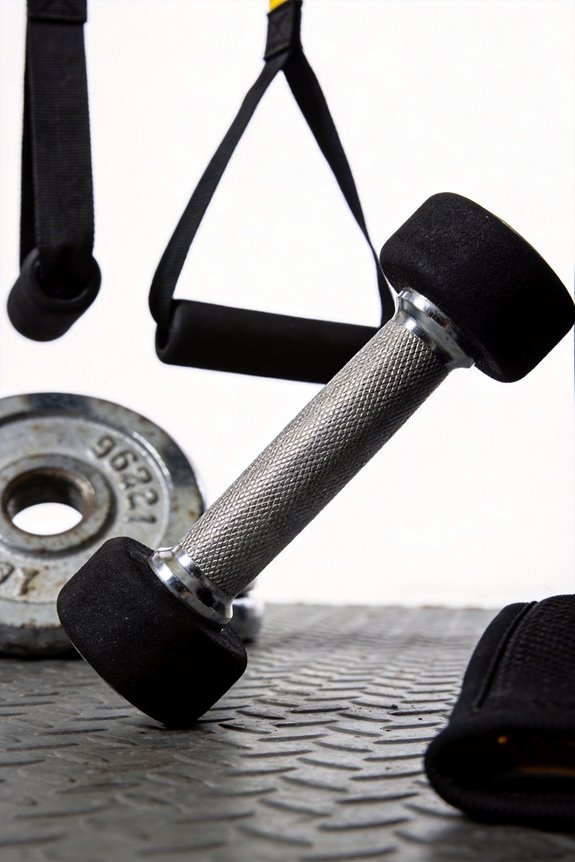
Have you ever thought about how important it is to keep your bones strong? Weight-bearing exercises are a must for maintaining bone density, and they can make a real difference over time. Activities like walking or jogging aren’t just good for your heart; they actually stress your bones in a way that helps them grow stronger and denser. Just a few minutes a day of high-impact exercise can boost your bone health by 4-6%. That’s huge, especially for the hips, spine, and wrists—areas that are often at risk for fractures.
So, what can you do? Incorporate some strength training into your routine. This not only builds muscle but also helps improve your balance, which is key for preventing falls. When you’re stronger and more stable, you’re less likely to take a tumble. Plus, regular participation in weight-bearing exercises is crucial for improving bone density as you age. It’s one effective way to keep your bones resilient and fend off osteoporosis and fractures.
Here’s the trick: Make it a habit to add weight-bearing activities to your weekly routine. You might find it helpful to set aside time for walking or join a local jog. Maybe even think about taking a strength training class or following a video online.
In addition to strength training, wearing moisture-wicking athletic apparel can help you stay comfortable and focused during your workouts, encouraging consistency and better performance.
Truth is, staying active with these exercises is one of the best things you can do for your bone health, especially as you get older. So, why wait? Start making those small changes today! Remember, doing something is always better than doing nothing. What’s your next step to boost your bone health?
Best Weight-Bearing Exercises for Bone Density

Are you looking for ways to strengthen your bones? It’s crucial to engage in weight-bearing exercises if you want to build and maintain those strong bones. So, what’s the secret? You’ll want to include activities like brisk walking, jogging, dancing, and stair climbing into your routine. These exercises create just the right amount of stress on your bones, encouraging calcium deposits that boost bone density.
Let’s not forget about high-impact activities. Running or playing tennis can really ramp up your bone health. Just a few minutes each day of these intense exercises can help increase your bone density by around 6%. That’s pretty impressive for such a short time commitment!
Strength training is another vital component. Focusing on major muscle groups with weights or resistance bands will enhance your bone strength. Aim to work out at least 2-3 days a week. This routine can significantly cut down your risk of fractures related to osteoporosis as you age.
So, why does this matter? As we get older, keeping our bones strong is essential for a healthy lifestyle. I encourage you to take a little time each week to get moving. It doesn’t have to be complicated.
Additionally, wearing adjustable sports hats during outdoor exercise can help protect you from UV rays and keep you comfortable.
Ultimately, combining these exercises will help you maintain bone health and keep you active. What’s one activity you can add to your week?
Understanding Exercise Impact Levels: Low, Moderate, and High
When it comes to keeping our bones healthy, understanding exercise impact levels is key. Have you ever wondered how different activities play a role in your bone health? They fall into three main categories: low, moderate, and high impact, each offering unique benefits.
Low-impact exercises like walking or cycling are great for getting moving, but they don’t pack a huge punch in boosting bone density. If you’re looking to gently get your heart rate up without too much stress, these activities do help, but they have their limits.
So, what’s next? Try adding moderate-impact activities to your routine. Think about things like dancing or playing doubles tennis. These types of movements are fun, and the best part is they effectively increase mechanical loading on your bones. You’ll be helping to enhance your bone health without feeling overwhelmed.
Now, for those who are looking for more intensity, high-impact exercises like running or jumping are where the magic happens. Truth is, these activities apply significant stress to your bones, leading to stronger and denser bones. But before you dive in, it’s super important to assess how your body feels. If you’re at risk of fractures or have osteoporosis, take a moment to think about your safety first.
To support these exercises safely and effectively, choosing footwear that provides stability and support can help enhance your performance and protect your joints.
To recap, engaging in weight-bearing exercises is essential for bone health. Just make sure you’re tuning into your body’s signals and choosing activities that feel right for you. So, what’s your next move going to be?
Staying Safe While Exercising With Osteoporosis
Staying active is key, but if you have osteoporosis, safety should be your top priority. You might be wondering, how can you exercise safely without risking fractures? The answer lies in focusing on moderate-impact, weight-bearing exercises. Think along the lines of brisk walking or low-intensity aerobics. These activities can boost your bone health with a lower chance of injury.
Avoid high-impact workouts like jumping unless you’re already doing them comfortably without any pain. It’s also a good idea to mix in some balance and stability exercises. Why? Because they help prevent falls, which can lead to serious injuries. Before you jump into any new exercise routine, it’s smart to chat with your healthcare provider, especially if you feel any pain or have trouble moving.
If you really want to amp up your routine, consider a strength training program. Target those major muscle groups two to three days a week, and make sure you’re using the right techniques to steer clear of injuries. Remember, when it comes to exercise, it’s not just about pushing your limits but also about doing it safely. Wearing breathable, moisture-wicking fabric can improve comfort and help maintain focus during your workouts.
How Strength Training Benefits Bone Health
When it comes to taking care of your bones, strength training is one of the best strategies out there. Why? Because weight-bearing exercises create stress on your bones, leading to increased bone density. Just think about it: when you lift weights or use resistance, you’re giving your bones a good workout too. Try to get in two to three strength training sessions each week, focusing on major muscle groups around your spine and hips. These areas are key for keeping fractures at bay.
Here’s the trick: if you progressively increase the weights you lift, you not only strengthen your muscles but also boost your bone health even more. The best part is that these activities build muscle mass while also improving your balance and stability—this means a lower risk of falls, which is really important as we age. Remember to keep an eye on your form during exercises; it’s crucial for both your safety and maximizing those bone health benefits.
So, why does this matter? Because maintaining strong bones isn’t just about avoiding fractures—it’s about keeping your body active and functional for years to come. Make strength training a regular part of your routine, and you might just find yourself feeling more confident and capable. Choosing the right workout apparel, such as breathable moisture-wicking fabrics, can enhance comfort and performance during strength training sessions.
Creating a Balanced Exercise Plan for Osteoporosis
Building a balanced exercise plan for osteoporosis can feel a bit overwhelming, right? You’re probably wondering how to strengthen your bones without putting yourself at risk. The key is to mix it up with a variety of activities that not only support your bone health but also make you feel good overall.
Start by including weight-bearing exercises in your routine. Think brisk walking, dancing, or even hiking. These activities can boost your bone density and keep you active, which is so important as we age. Don’t forget about muscle-strengthening exercises, either! Aim for at least 2-3 days a week focusing on major muscle groups.
If you don’t have spinal fractures, moderate-impact options like jogging can work wonders. But if you’ve got any spinal issues, low-impact exercises like swimming or cycling are great alternatives. You’re probably asking yourself, “What about safety?” Well, that’s where getting advice from a physical therapist comes in. They can help customize your exercise plan to fit your needs, making sure you increase resistance gradually and use the right techniques.
Choosing the appropriate exercise apparel, such as moisture-wicking athletic pants, can also enhance your comfort and safety during workouts.
The Role of Muscle-Strengthening Exercises in Bone Density Improvement
Muscle-strengthening exercises are key when it comes to boosting bone density. Why is that? Because these exercises give your bones the resistance they need to grow stronger. Engaging in resistance training, whether it’s using your body weight or free weights, can effectively work all your major muscle groups.
The cool thing is, while you’re building muscle, you’re also encouraging your body to produce more bone mass. That’s super important for keeping your bones strong over time. To really feel the benefits, aim to get these workouts into your routine 2-3 times a week. And don’t forget about nutrition! Pairing your strength training with enough calcium and Vitamin D will really help your bones stay healthy.
So, what types of exercises should you focus on? Look for movements that involve hinging, pushing, pulling, and squatting. These are great for hitting vulnerable areas like your hips and spine, which is key for preventing those nasty osteoporosis-related fractures.
Truth is, making muscle-strengthening a regular part of your life can do wonders for your bone health as you age. It’s about taking small steps to keep your body strong. Have you thought about how to mix these exercises into your week? Give it a try—your bones will thank you! Additionally, incorporating compression sleeves during workouts can enhance muscle support and circulation, helping you perform better and recover faster.
Tips for Staying Consistent With Your Exercise Regimen
Staying committed to your exercise routine can be tough, right? But with some simple strategies, you can create a habit that sticks. First things first: set some clear and realistic goals. Mixing high-impact and weight-bearing exercises into your weekly lineup is key. Aim for at least 50 impacts on most days; it does wonders for your bone density.
Creating a consistent schedule is another essential move. Designate specific days and times for your workouts. Treat those appointments like any other important meeting—you wouldn’t skip work, right? Changing up your activities keeps things fresh and fun. Think brisk walking, dancing, or maybe trying some strength training. It’s nice to switch it up and stay engaged!
Track your progress, too. A simple journal can work wonders, or you could opt for a wearable device. Either way, seeing how far you’ve come can really boost your motivation. And let’s not forget about the power of community. Having a workout buddy or joining group classes makes breaking a sweat even more enjoyable. Plus, it holds you accountable.
So, why does this all matter? Because building a fitness habit isn’t just about hitting the gym consistently—it’s about creating a healthy lifestyle you truly enjoy. Keep it varied, stay committed, and you’ll be on your way. Remember, incorporating lightweight and breathable gear can help maintain comfort and encourage consistency during your exercise sessions.
How Often Should You Exercise for Optimal Bone Health?
How often should you hit the gym to keep your bones healthy? If you don’t have any spinal fractures, you should be aiming for some moderate-impact exercises that give you about 50 impacts most days. This can help strengthen your bones and keep them in good shape. On the flip side, if you’ve got spinal fractures, stick to low-impact activities for at least 20 minutes on most days. It’s all about finding what works for you while being safe.
Now, don’t forget about muscle-strengthening workouts. Try to get in some resistance exercises 2-3 times a week, focusing on your major muscle groups for about 20-30 minutes each time. The best part is you can gradually up the weight or resistance to see real improvements in your bone strength. So, why does this matter? Stronger muscles mean better support for your bones.
If you’re running into any issues or feel pain while exercising, it’s a good idea to consult a physiotherapist. They can help you create an exercise plan that fits your needs, keeping your workout safe while working toward better bone health. Remember to stay comfortable and protected by choosing gear with moisture-wicking and breathable materials to enhance your exercise experience.
Frequently Asked Questions
What Age Should I Start Focusing on Bone Density?
We should start focusing on bone health during childhood development, as preventative measures during adolescent changes are essential. By understanding hormonal influences, we can also maintain strong bones into senior fitness. It’s never too early!
Can Diet Alone Improve Bone Density Without Exercise?
We’ve seen cases where individuals improved bone density solely through diet, emphasizing dietary calcium and vitamin D. However, without exercise, nutrient absorption and overall bone health may still lag behind—balancing plant-based diets and protein intake is essential.
Are There Risks of Excessive Weight-Bearing Exercises?
Yes, excessive weight-bearing exercises can pose injury risks, leading to prolonged recovery time and excessive strain on joints. It’s essential we practice exercise moderation and incorporate balance training for ideal joint health and overall well-being.
How Does Smoking Affect Bone Density?
Picture a fragile tower crumbling under pressure; that’s our bones when we smoke. Nicotine harms lung health, increasing osteoporosis risks. Let’s embrace lifestyle changes and prevention strategies to keep our bones strong and healthy together.
Can Certain Medications Impact Bone Density?
Yes, certain medications can impact bone density. Corticosteroids may lead to bone loss, while hormone therapy can improve calcium absorption. It’s essential to take into account these factors when discussing osteoporosis treatment and the effects of different medication types.