
Understanding elevation gain is essential for evaluating hike difficulty: it directly impacts our endurance and stamina. Positive elevation gain measures altitude climbed, while negative gain reflects altitude lost. Generally, a gain of 300-500 meters is manageable for beginners. Trails with over 700 feet gain per mile present greater challenges. To prepare, we should calculate total elevation gain, considering distance and terrain. This knowledge helps us choose trails that match our fitness levels. There’s much more to explore about hiking strategies.
Key Takeaways
- Elevation gain represents the total vertical distance climbed, significantly affecting a hike’s difficulty level and required endurance.
- Ascending 700-1000 feet per mile marks a challenging hike; over 1000 feet per mile tests physical limits.
- Beginners can usually manage hikes with 300-500 meters of positive elevation gain comfortably.
- Cumulative elevation gain includes both ascents and descents, impacting overall energy expenditure and fatigue.
- Understanding elevation gain helps hikers select trails that match their fitness levels for a safer, more enjoyable experience.
What Is Elevation Gain and Why Does It Matter?
Have you ever hit the trail and realized halfway up that the climb is tougher than you expected? That’s where elevation gain comes into play—it’s the total vertical distance you’re climbing when you hike. Understanding this can really change the way you pick your routes.
Cumulative gain isn’t just about the steep bits; it includes all the ups and downs on your path. So, if you’re hiking a trail with mixed terrain, don’t be surprised if it feels more exhausting than anticipated. Here’s some advice: plan to spend about one hour climbing for every 300 meters of positive elevation gain. Of course, this can change based on the trail’s conditions—rocky sections or slick mud can slow you down.
Now, what about those tougher trails? If you’re looking at options with over 700 feet of gain per mile, it means you’ll want to be prepared for a real workout. Truth is, understanding elevation gain helps you choose hikes that match your fitness level. No one wants to end up stranded on a trail that’s way too difficult for them, right?
So, before you lace up your boots, take a good look at the elevation gain. It’s not just a number—it’s a critical factor for a safer and more enjoyable hiking experience. Planning smart can really pay off, and you might even discover new trails that you’ll love! Wearing appropriate gear that offers support and comfort can also enhance your endurance on challenging routes.
In short, know the elevation gain to pick hikes that suit your style. What’s your favorite hike with a challenging elevation, and how did you handle it?
How Does Elevation Gain Affect Hiking Difficulty?
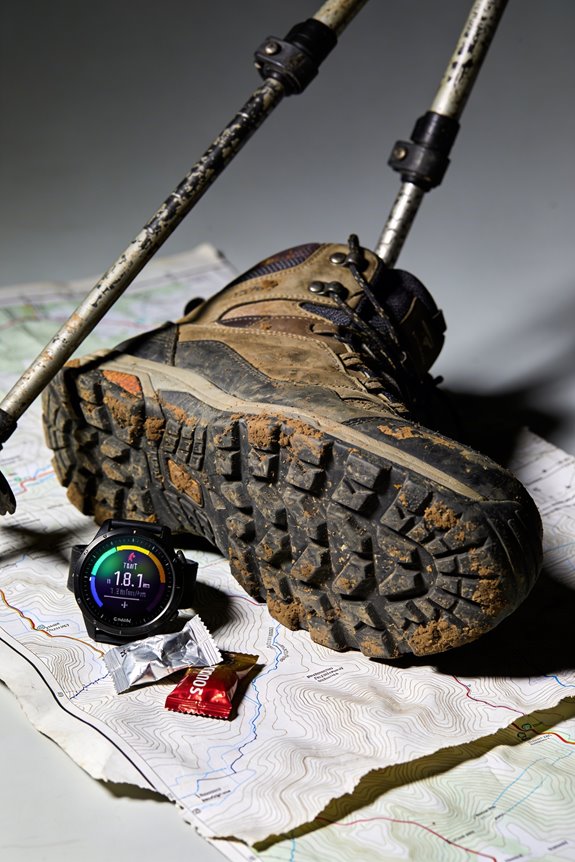
How does elevation gain influence our hiking experience? It’s a real game of endurance and stamina. As you climb higher, your body faces more resistance from gravity. If you’re eyeing a hike with an elevation gain of 700-1000 feet per mile, be ready for a challenge. Anything over 1000 feet per mile becomes a real test of your limits.
So, what makes steep terrain tough? It demands a lot more from your body. Beginners might find that they can handle only between 300-500 meters comfortably. If you’re not used to high elevation hikes, this can feel overwhelming. The average ascent time is about one hour for every 300 meters gained, meaning you need to consider how long a hike really is when planning. Remember, longer hikes equal more fatigue!
Don’t forget about negative elevation gain either. Losing altitude can actually strain your joints and impact your balance. That adds another layer of difficulty to the whole hiking experience. Why’s that important? Because hiking isn’t just about going up; it’s also about how you handle the way down.
Proper gear including hydration systems designed to manage fluids efficiently can significantly improve endurance and comfort during strenuous elevation changes.
How to Calculate Elevation Gain for Your Hike?
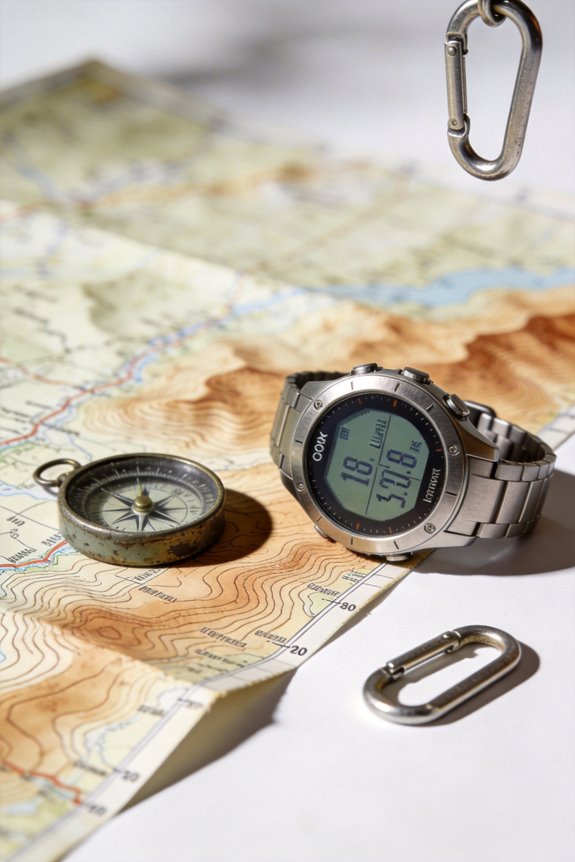
Calculating elevation gain on a hike is key to knowing what you’re up against on the trail. To work it out, just take the ending altitude and subtract the starting altitude. For cumulative elevation gain, you’ll want to add up all the ascents along your route. This means focusing on each upward stretch to get the full vertical distance of the hike.
Want a reliable way to visualize those changes? Topographic maps can be super helpful, where each contour line usually indicates about 10 meters of gain. And if you’re not into the manual calculations, don’t sweat it! There are digital tools like Calculitinéraires.fr or OpenRunner that can do the heavy lifting for you, ensuring you’re getting an accurate picture of what to expect.
Now, here’s the trick for assessing hike difficulty: use this simple formula. Add the distance in kilometers to the positive elevation gain divided by 100. This gives you a clearer idea of the hike’s intensity. So, if you know the trail’s distance and elevation, you’ll get a better sense of whether it’s something you’re ready to tackle.
In the end, knowing your elevation gain can really help you plan and prepare. Got any favorite trails where you’ve had to keep an eye on those elevation changes? For extended outdoor activities like hiking, wearing clothes with durable and flexible materials can enhance your comfort and mobility on varied terrain.
Positive vs. Negative Elevation Gain: What You Need to Know
Have you ever finished a hike only to feel totally worn out, unsure why? Understanding both positive and negative elevation gain can really help you get ready for your next adventure. Positive elevation gain is all about the altitude you gain while climbing uphill. This is crucial to consider, since it usually affects how tough a hike is. On average, you can expect to gain around 250 to 350 meters every hour when you’re going uphill.
Now, what about the downhill? Negative elevation gain refers to how much altitude you lose during your descent. It may seem easier at first, but it can be just as challenging. Watching your balance and maintaining joint health are essential, especially since most people descend at a rate of about 400 to 500 meters per hour. So, why does this matter? Because when you add up both the ups and downs, you get a clearer picture of the total physical effort required for your hike.
Here’s a tip: when you’re planning your hike, calculate the cumulative elevation gain. This means you sum all your ascents and descents. Trust me, it helps you pick trails that fit your abilities much better. Each hike is a chance to learn more about your limits and skills, so don’t shy away from trails that challenge you. Wearing the right gear, such as a seamless sports bra, can also improve your comfort and endurance while tackling these elevation changes.
Practical Strategies for Facing Elevation Gain on Hiking Trails
Facing elevation gain on hiking trails can feel daunting, but there are some straightforward tips that can help you tackle those steep inclines with a bit more confidence. Have you ever thought about how your gear can impact your hike? Investing in high-cut hiking boots is a smart move; they really give your ankles the support they need when the terrain gets tough.
One thing I’ve learned is that using trekking poles can make a big difference. They help distribute your weight and reduce the strain on your knees—always a plus when you’re climbing uphill. Plus, they offer extra stability on rocky or uneven ground.
Layering your clothing is also where it’s at. It’s crucial to wear breathable layers because temperatures can change quickly when you’re out on the trails. A three-layer system works wonders for keeping you comfortable whether it’s chilly or pleasantly warm.
When planning your hike, you might want to gauge its difficulty by using the “effort kilometer” formula. Just take the total distance in kilometers and add the positive elevation gain, then divide by 100. This little calculation gives you a clearer picture of how tough the hike might be. Also, a good rule of thumb is to plan on spending about one hour hiking for every 300 meters of elevation gain. Does that seem like a lot of time? It might, but it’s a solid way to prep for what could end up being one of your most challenging hikes yet. Wearing moisture-wicking materials can help manage sweat and keep you comfortable throughout your hike.
Common Misconceptions About Elevation Gain and Hike Difficulty
Ever found yourself staring at a trail map, wondering why a seemingly short hike feels like a marathon? You’re not alone! A lot of hikers assume that the distance of a trail is the only thing that matters when talking about difficulty, but there’s so much more to it.
Elevation gain plays a massive role in how tough a hike can be. For instance, a quick jaunt with a steep ascent can be way harder than a long, flat trek. It’s surprising how just a few hundred feet of elevation can make a huge difference in how much effort you actually put in. Think about it: would you rather slog uphill for two miles or tackle that same elevation change over just one mile?
Here’s a tip: pay attention to that cumulative positive elevation (D+). It changes how you’ll feel on the trail. And hey, have you ever considered your own fitness level? Not everyone has the same stamina, so what feels easy to one hiker might be a real struggle for another.
What about the downs? Negative elevation (D-) during descents can take a toll, too. It might seem like an easy walk downhill, but it can zap your energy and extend your overall hiking time. You might end up more tired than you expected after all that downhill pounding.
In the end, next time you pick a trail, take a moment to think beyond just distance. Consider those elevation changes, your own fitness, and even how steep the descent will be. Hiking is about enjoying nature, not just pushing yourself. So, what’s the most challenging hike you’ve ever done, and what did you learn from it?
Remember, just like how the right resistance levels in workout bands can adjust your training intensity, understanding elevation variations can help you pace your hike effectively.
Frequently Asked Questions
What Elevation Gain Is Considered Difficult?
We’d say an elevation gain above 700 feet per mile is tough. Steep trails can lead to altitude sickness, so our personal fitness and hiking experience matter greatly, especially with varying trail conditions. Happy hiking!
How Does Elevation Gain Affect Hiking Difficulty?
Elevation gain impacts hiking difficulty by influencing trail steepness and terrain variety. Our fitness level affects hiking endurance, while altitude acclimatization becomes essential as elevation rises, making every journey uniquely challenging based on these factors.
How to Understand Elevation Gain?
Let’s explore elevation calculations! By considering terrain types, hiking tips, and our fitness levels, we can interpret trail ratings effectively. Understanding elevation gain helps us choose challenging yet enjoyable hikes suited to our abilities.
Is 1000 Ft Elevation Gain Hard?
Yes, 1,000 feet elevation gain can be hard for many of us. Proper hiking techniques, trail preparation, and recognizing our fitness levels help us navigate our personal limits during such challenging climbs. Let’s be ready!