
Tendonitis and tendinopathy are common issues among athletes that differ in their conditions. Tendonitis is characterized by inflammation, leading to sharp pain and tenderness, often after increased activity; conversely, tendinopathy involves long-term degeneration, resulting in dull, achy pain that can fluctuate with activity. Both stem from overuse and improper techniques; knowing these differences is vital for effective treatment. Our upcoming sections offer detailed insights on treatment options, rehabilitation strategies, and prevention tips tailored for athletes.
Key Takeaways
- Tendonitis is characterized by inflammation, presenting sharp pain and tenderness, often occurring after increased activity in athletes.
- Tendinopathy involves long-term degeneration of the tendon, resulting in dull, achy pain that may improve temporarily with activity.
- Both conditions stem from overuse, sudden activity increases, and improper biomechanics, with older athletes being at higher risk.
- Treatment for tendonitis focuses on reducing inflammation, while tendinopathy emphasizes progressive loading and strengthening exercises.
- Early intervention and proper warm-up practices are crucial to prevent tendonitis from progressing to chronic tendinopathy in athletes.
What Is Tendonitis and How Does It Affect Athletes?
Ever felt that nagging pain after a tough training session? If you’re an athlete, you might be familiar with tendonitis, and trust me, it’s not something to brush off. It’s that irritating condition that happens when a tendon gets inflamed from too much strain or repetitive movement. For sprinters, it often hits the Achilles tendon; jumpers might feel it in their patellar tendon, while those involved in overhead sports may find their rotator cuff is the culprit.
You might notice symptoms like swelling or discomfort lasting anywhere from a day to three months. The reality is, if you ignore these red flags, you could end up developing chronic issues that might sideline you for even longer. So, what can you do about it?
Start with early detection. Try this: Rest your body and apply ice to the affected area to reduce inflammation. Alongside that, seek out physical therapy tailored to your specific sport—that’s a huge help in getting you back on track. Focusing on rehabilitation isn’t just about recovery; it’s also about preventing further damage to your tendons.
Frankly, managing tendonitis takes some commitment, but it’s totally worth your time. Wearing compression shorts can provide muscle support and help reduce strain during recovery. Are you ready to listen to your body and take the steps needed to recover? Remember, you’ve got this!
Tendinopathy Symptoms and Implications
When athletes face tendinopathy, it can really throw a wrench into their performance. Ever felt that sharp pang in your Achilles or a dull ache in your shoulder? It’s not just annoying; it can seriously hinder your game. You might notice swelling around the tendon and a stiffness that makes it hard to move—especially in areas like the Achilles tendon, patellar tendon, or even the rotator cuff. Using soothing ingredients like aloe or calendula can help manage discomfort in affected areas.
Now, here’s something important: pain might improve while you’re in the heat of competition but can really hit hard afterward. So, what can you do about it? The key is early recognition. Ignoring those nagging symptoms can complicate recovery and lead to chronic issues down the line.
Try this: listen to your body. If you’re feeling discomfort, don’t let it slide. Find some time to address those issues head-on. Stretching, strength training, and even rest are critical to recovery. [InternalLink:…]
Honestly, there’s no need to push through the pain when a little proactive care could maintain your performance and keep long-term complications at bay. So, what steps will you take to listen to your body? Let’s prioritize health over performance and stay in the game longer.
Differences Between Tendonitis and Tendinosis: What Athletes Need to Know?
Are you dealing with tendon pain and not sure what’s going on? Understanding the difference between tendonitis and tendinosis is key, especially if you’re an athlete trying to manage injuries effectively.
Tendonitis usually shows up after you’ve ramped up your activity, causing inflammation in the tendon. This can lead to sharp pain, swelling, and tenderness. Common culprits include the patellar tendon or Achilles tendon. On the other hand, tendinosis is a different beast. It’s about long-term degeneration from overuse injuries. Here, you might feel a dull, achy pain that surprisingly gets a bit better when you’re active. So, why does this matter? Knowing which issue you have can make a huge difference in how you recover.
If you’ve been putting in consistent work and are feeling persistent issues, getting a proper diagnosis is crucial. Doctors often use imaging to pinpoint any structural changes in your tendons. It’s better to know what you’re dealing with than to guess.
When it comes to treating these conditions, the approaches are pretty different. For tendonitis, the focus is on reducing inflammation. This means you’ll want to rest and ice the affected area. But with tendinosis, it’s a whole other story. The best part is that managing tendinosis includes specific loading and strengthening exercises. This can actually help your body build tolerance and promote the healing of the tendon itself.
Choosing appropriate athletic wear for bouldering can support movement and reduce additional strain during recovery and training.
Understanding these distinctions can help you get back to doing what you love. So, the next time you feel that familiar ache or sharp pain, take a moment to assess: Is it tendonitis or tendinosis? And what’s your plan for recovery?
Causes and Risk Factors for Tendon Injuries
Have you ever felt that nagging pain in your tendons after a tough workout? If you’re an athlete, chances are you’ve dealt with tendon injuries at some point, regardless of your sport or skill level. Overuse is often the main culprit here. This can lead to issues like tendonitis, with inflammation, or tendinopathy, which is more about degeneration.
Sudden increases in how hard you train or repetitive movements—like running or jumping—really put strain on your tendons. Ever wonder why older athletes seem more prone to these injuries? It’s pretty straightforward: as we age, our tendons lose elasticity, making us more vulnerable. Poor biomechanics and improper technique can also play a huge role in upping your risk. If you’re feeling off, those little things can add up.
So, what can you do to keep your tendons happy and healthy? Start by paying attention to how you train. Here are a few quick tips:
- Gradually ramp up your activity intensity.
- Incorporate rest days, because your body needs time to recover.
- Work on your form—good technique goes a long way.
Don’t hesitate to reach out to a physical therapist for personalized advice. They can really help you tackle any problem areas and keep you in the game. Additionally, preventing irritations like chafing during activities by using specialized products such as anti-chafe balms can support overall skin health and comfort.
Top Treatment Options for Managing Tendonitis and Tendinopathy
Got tendonitis or tendinopathy? You’re definitely not alone. Both of these conditions can really mess with your day-to-day activities, but the good news is there are solid ways to tackle them.
For tendonitis, the first things to focus on are reducing inflammation and giving your body a break. Here’s what you can do: rest, apply ice, and consider some anti-inflammatory meds, if needed. Physical therapy is also a must, as it really helps get your function back on track and fixes any movement patterns that might be causing issues in the first place.
Now, tendinopathy is a bit different. It calls for a more gradual approach. Think of it like this: you need to load up those tendons progressively. This means incorporating exercises like isometric, eccentric, and concentric movements that encourage your tendon to remodel. If you’re an athlete, don’t forget to modify your activities and increase the intensity little by little. It’s crucial to allow your body time to recover so you won’t end up in pain again.
Why does this matter? Because if you catch tendonitis early on, you could keep it from turning into chronic tendinopathy. This can save you from long-term problems and keep you moving the way you want.
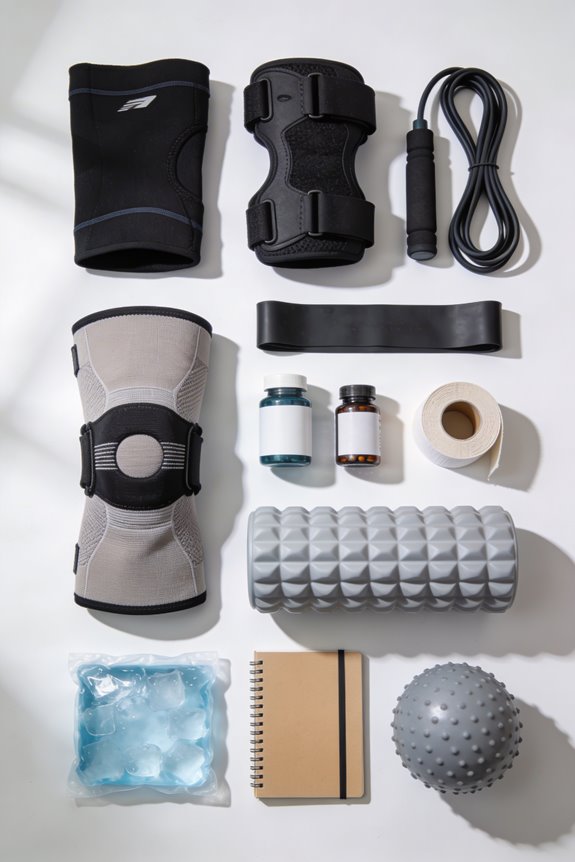
Using supportive gear such as compression sleeves can also help reduce strain and improve recovery during your treatment process.
Effective Rehabilitation Strategies: Exercises for Recovery
Struggling with tendonitis or tendinopathy can be really frustrating, right? When you’re in pain, getting back to your regular routine might seem like a distant dream. But let’s talk about the exercises that can really aid in your recovery.
Start with some gentle pain relief techniques. Ice therapy can work wonders, and it’s pretty easy to do at home. Consider manual methods too; a good massage can definitely ease some of that discomfort. So, how do we move forward? Eccentric exercises are crucial because they focus on controlled muscle lengthening, which really helps boost tendon strength.
Try this: incorporate wrist extension eccentrics or hamstring curls on a Swiss ball into your routine. These exercises target specific areas effectively. As you start feeling stronger, progressively load those muscles; it’s key to regaining strength and function. Remember, recovery isn’t a sprint—it’s a marathon. Patience is essential, so don’t rush the process.
The best part is, if you stick to these guidelines, you’re setting yourself up for success in rehabilitation and overall performance. For added support during recovery, consider using compression knee sleeves to alleviate pain and provide stability. So, how are you planning to take your first step toward recovery?
Preventing Tendon Injuries: Tips for Athletes
Are you tired of dealing with pesky tendon injuries that seem to pop up just when you’re getting into the swing of things? You’re definitely not alone. Many athletes face the constant battle of keeping their tendons healthy while trying to improve their performance. Luckily, a few simple strategies can help keep those injuries at bay.
First off, a proper warm-up is crucial. It might seem like a simple task, but getting your muscles and tendons ready for action can really make a difference. Spend a good 10-15 minutes doing dynamic stretches and light exercises before your workout. You’ll thank yourself later when you avoid unnecessary injuries!
Gradually ramping up your training intensity is another important step. Think about it—your tendons need time to adapt to higher levels of stress. If you push too hard too fast, you risk overuse injuries like tendonitis or tendinopathy. Be patient and listen to your body; it knows best.
Maintaining proper form during repetitive movements is a game-changer for tendon health. Improper technique can lead to extra stress on your tendons, causing inflammation and pain. So next time you’re drilling those repetitive exercises, take a moment to assess your form. Something as simple as adjusting your stance can help.
Ever wondered if your training setup is optimal? Ergonomic assessments can be a fantastic way to streamline your technique, especially if you’re often doing the same motion over and over. A little tweak in your posture or grip might just save you from a painful injury.
Nutrition also plays a significant role in keeping your tendons in tip-top shape. Focus on a balanced diet filled with protein and vitamins, especially vitamin C. Not only does it support tendon health, but it also helps with recovery. After all, fueling your body well is just as important as how you train.
Additionally, selecting breathable materials for your workout clothing can help reduce skin irritation and enhance overall comfort during training.
To wrap it up, these tips can really help reduce your risk of tendon injuries. Take the time to warm up, listen to your body, and keep a watchful eye on your form and nutrition. Are you ready to give your tendons the care they deserve?
Frequently Asked Questions
Can Tendonitis Lead to Long-Term Damage if Untreated?
Yes, if untreated, tendonitis can lead to long-term damage, chronic pain, and tissue degeneration. Early intervention, rehabilitation strategies, and preventive measures are essential to minimize risk factors and guarantee ideal healing processes and athletic performance.
How Do I Know When to See a Doctor?
If we’ve got persistent pain impacting daily life—did you know 50% of athletes ignore symptoms? We should assess our injuries, explore treatment options, consider physical therapy, and consult sports medicine for effective recovery timelines and self-care strategies.
Are Certain Sports More Prone to Tendon Injuries?
Yes, certain sports like basketball and tennis are prone to tendon injuries. By incorporating strength training, effective warm-up benefits, and injury prevention techniques, we can mitigate sport-specific risks and enhance recovery strategies for athletes.
Can Nutrition Affect Tendon Health and Recovery?
Yes, nutrition greatly impacts tendon health and recovery. A balanced diet with protein for synthesis, essential vitamins, anti-inflammatory spices, and collagen supplementation, plus proper hydration, can enhance tendon elasticity and promote joint health during recovery meals.
What Role Does Rest Play in Recovery From Tendon Issues?
Rest’s like a safety net during recovery. We’ve got to balance rest duration with active rest and passive recovery, prioritizing sleep and alternate training, while following rehabilitation guidelines for ideal recovery and mental clarity during different seasons.