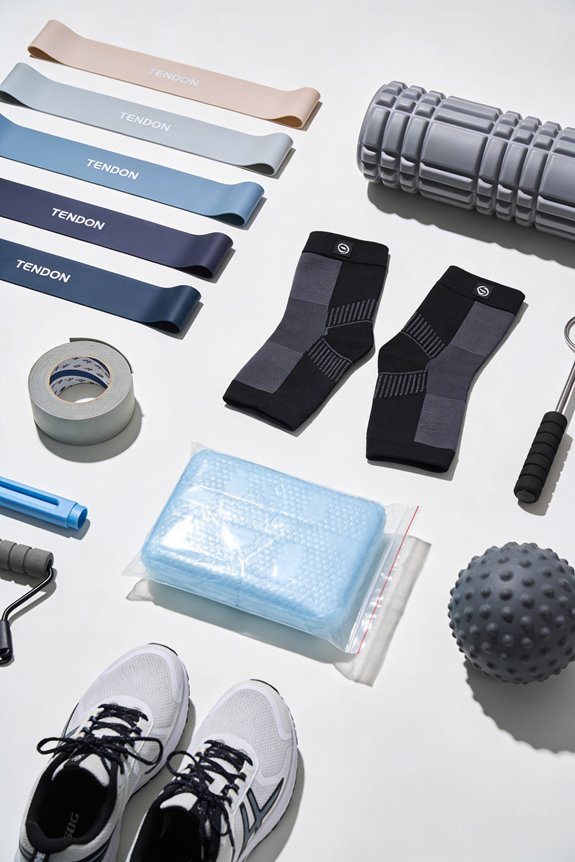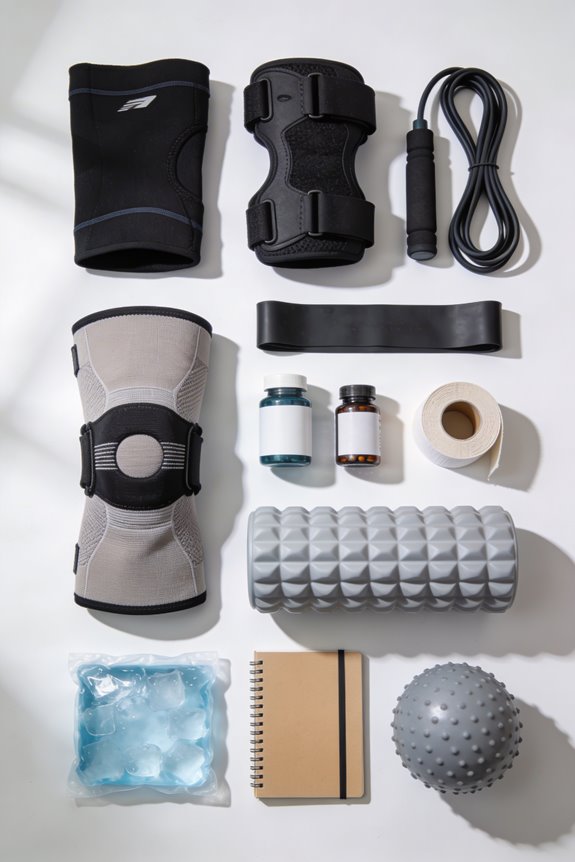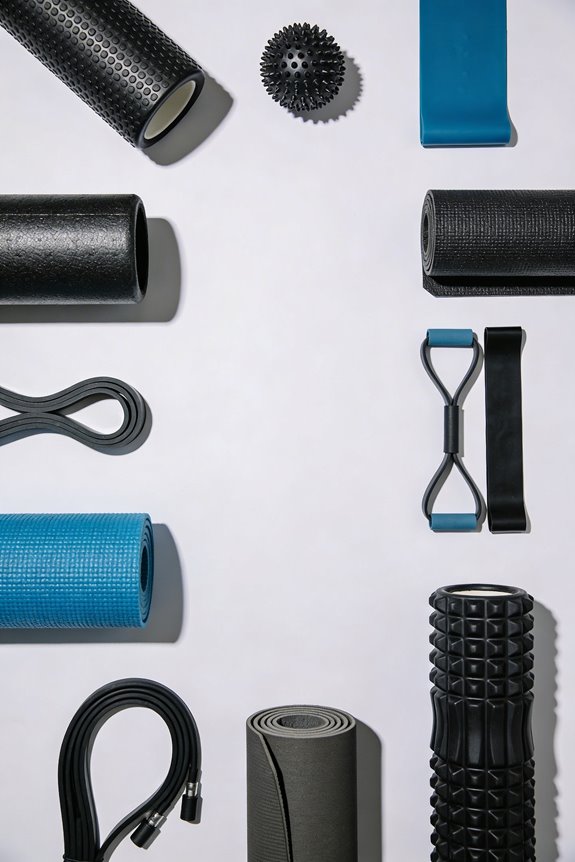

Foam rolling is an effective self-myofascial release technique that targets muscle soreness and tightness. By applying pressure to specific muscle groups, it helps increase blood flow, promoting recovery. Research shows that foam rolling can ease muscle soreness, enhance flexibility, and improve the range of motion without risking muscle strength. Plus, it’s a recommended practice for athletes after workouts. Stay with us to learn more about the best techniques and practices for foam rolling effectively.
Key Takeaways
- Foam rolling effectively alleviates muscle tightness and soreness, enhancing recovery and mobility post-exercise.
- Research shows foam rolling can boost flexibility and reduce Delayed Onset Muscle Soreness (DOMS) for improved performance.
- The technique promotes better blood flow to muscles, supporting healing and relaxation essential for injury prevention.
- Incorporating foam rolling into warm-ups and cool-downs can maximize its effectiveness in your workout routine.
- Choosing the right foam roller based on firmness and texture is key to optimizing results and safety.
What Is Foam Rolling and How Does It Work?
Have you ever felt those pesky muscle knots after a workout? That’s where foam rolling comes in. It’s a simple self-myofascial release technique that can really help with muscle tightness and soreness. Basically, you roll on a cylindrical foam roller, applying pressure to your muscles and fascia. This helps loosen up tight tissues and release any pent-up tension.
While you roll, you’re boosting blood flow to those targeted areas, which supports muscle healing and improves your mobility. It’s particularly helpful after being active, as it can aid in recovery and broaden your range of motion. So, why does this matter? Because you want to feel good while staying active without being held back by muscle tightness.
Here’s the trick: to really get the most out of foam rolling, combine it with proper stretching and strength training. This combo can make a big difference in how you feel day-to-day.
Think of foam rolling like a self-care routine you can squeeze into your day. It’s not just an extra step; it’s a crucial part of your pain management strategy and can really enhance your overall fitness routine.
In the end, if you’re looking to keep your body healthy and flexible, give foam rolling a shot. It might just be the relief you’ve been searching for. Have you tried it yet? If not, what are you waiting for?
Incorporating tools with proper ergonomic features can further enhance your comfort and effectiveness during recovery routines.
How Does Foam Rolling Reduce Muscle Soreness?
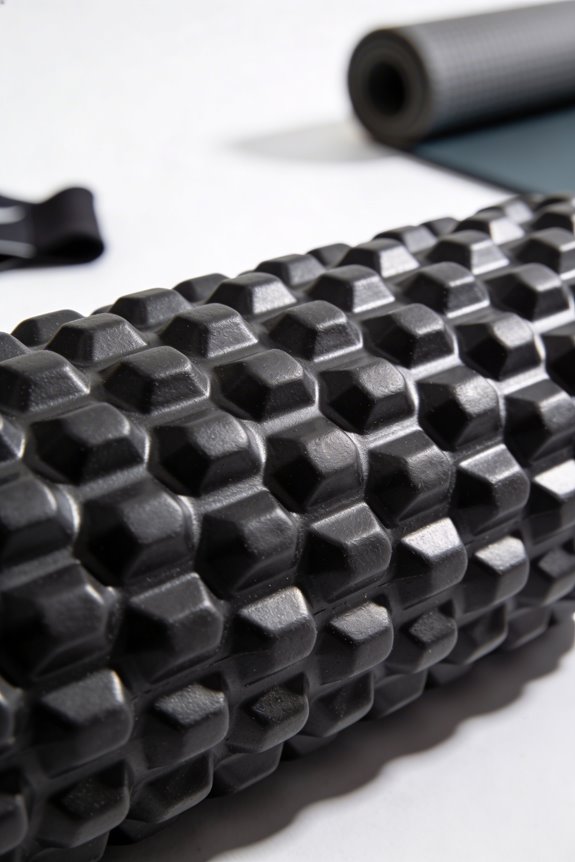
Have you ever felt that ache in your muscles after a tough workout? It’s frustrating, right? Foam rolling might just be the answer you’re looking for to help with that soreness. By simply rolling a foam cylinder over your muscles, you can apply pressure that loosens tight spots and helps your body recover.
Here’s how it works: when you foam roll, you increase blood flow to your muscles. This extra circulation brings in oxygen and nutrients that your body needs to heal. There’s even research supporting that foam rolling can significantly reduce Delayed Onset Muscle Soreness (DOMS), so you can bounce back to your training faster. Plus, it may also help lower your perception of pain, which means that annoying soreness might feel a bit less intense.
But that’s not all. Foam rolling can also improve your joint range of motion and flexibility, giving you more freedom when you exercise. Think about it—by incorporating foam rolling into your routine, you could enhance your overall muscle function and feel better quicker.
Additionally, pairing foam rolling with moisture-wicking clothing can help keep you comfortable and dry during your recovery sessions.
So, if you’re looking for a simple way to speed up recovery and make those tough workouts more bearable, give foam rolling a try. It’s an easy addition that can make a big difference in how you recover and how your body feels afterward.
Have you ever tried foam rolling? What are your go-to methods for easing muscle soreness?
Benefits of Foam Rolling: What Can You Expect?
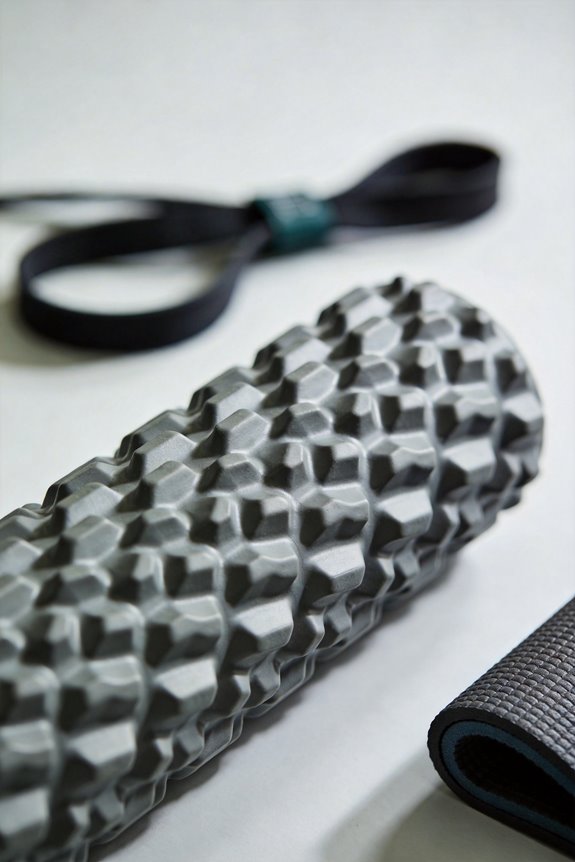
Ever feel like your muscles are just a tight ball of stress after a tough workout? Foam rolling might be the answer you’re looking for. This simple technique can really make a difference by easing muscle tightness and providing some much-needed pain relief. When you foam roll, you increase blood flow, which not only helps with recovery but also reduces muscle inflammation.
Let’s dive into what foam rolling can do for you. Here are some key benefits:
- It helps enhance your joint range of motion without affecting your muscle strength.
- You can easily fit foam rolling into your pre- and post-exercise routines.
- Studies show it effectively reduces Delayed Onset Muscle Soreness (DOMS), so you recover faster after those intense workouts.
- Plus, it promotes relaxation and flexibility, which is crucial in keeping injuries at bay.
In addition to foam rolling, incorporating high-waisted workout shorts designed for optimal comfort and support can further enhance your recovery and workout experience.
So, why is all this important? If you’re able to move more freely and feel less sore, you’re likely to stick with your fitness plans. The best part is that you don’t need to invest in fancy equipment—just a good foam roller will do.
In short, foam rolling can lead to improved flexibility and better movement capabilities, making it an essential part of your fitness journey. Have you tried foam rolling yet? If not, what’s holding you back?
Effective Foam Rolling Techniques
Ever wonder why you’re feeling tight and sore after workouts? Foam rolling could be your answer. It effectively targets those specific muscle groups that are often the culprits of tension and stiffness, making it a go-to for improving your flexibility.
Try this: spend 30 to 60 seconds rolling back and forth on each area of your body that needs some TLC. This isn’t just about feeling good; it’s about giving your muscles the time they need to relax and addressing those nasty trigger points. During your foam rolling session, don’t forget to practice some deep breathing. It’s a little trick that can really help you relax and manage any discomfort you might feel in those tender spots.
Honestly, if you want to see real results, aim for regular foam rolling—think daily or at least a few times a week. Keeping your sessions under 10 minutes can really make a difference in your recovery time. And as you get more comfortable, consider gradually moving from softer foam rollers to firmer ones. It’s all about finding what feels right for you.
So, why does this matter? Because taking the time to roll out those muscles can be a game-changer for your recovery and mobility. The best part is, it doesn’t take long to fit in a quick session.
One complementary way to enhance recovery and reduce muscle fatigue is by incorporating compression garments, like compression running shorts, which support muscle circulation and assist in quicker recovery.
To recap, foam rolling can help relieve muscle tension and improve flexibility when done consistently. Are you ready to roll away that tightness? Give it a try!
Common Mistakes to Avoid When Foam Rolling
When it comes to foam rolling, it’s easy to get a little too eager and make some mistakes that slow down your progress. Ever rolled over a bony area like your knees or pelvis? It’s not the best idea! Instead, focus on those soft, fleshy spots that really need the love.
Also, if you’re starting out with a foam roller that’s way too firm, you’re in for a world of discomfort. Try one that’s a bit softer at first, then work your way up to the harder ones. It’s all about easing into it! Now, when you hit a tender spot, remember: don’t go overboard with the pressure. You might hurt yourself instead of helping! It’s better to adjust your technique and listen to what your body is telling you.
It’s a good rule of thumb to roll each muscle group for about 30-60 seconds. Rushing through it won’t give you the full benefits. If you’re struggling with a particularly stubborn area, grab a tennis ball. It can do wonders in targeting those tough spots. If you’re unsure about what’s best for you, consider consulting a healthcare provider for some personalized tips.
Using tools that balance firmness and comfort is crucial, much like choosing breathable materials that provide both protection and ease in outdoor gear.
Foam rolling can be super beneficial if done right. So, what small change will you make to help your rolling routine today?
How Often Should You Foam Roll for Best Results?
How often should you foam roll to really enjoy its benefits? To get the most out of your foam roller, aim to hit those muscle groups for about 30-60 seconds, doing this 3-5 times a week. This routine is great for muscle recovery and helps relieve tension.
Now, daily foam rolling? That can definitely provide extra perks, especially if you push hard in your workouts or tend to feel tight. But here’s the trick: keep your sessions under 10 minutes to avoid feeling overly sore.
Incorporating foam rolling into your warm-ups and cool-downs is another smart move. This not only maximizes effectiveness but also aids in reducing soreness and improving your flexibility. By following these guidelines, you’re on the right path to boosting your muscle function and enhancing your overall mobility in your workout routine.
For optimal results, consider using high-density foam rollers as they are effective in reducing muscle stiffness and improving circulation during recovery.
Picking the Right Foam Roller
What should we consider when picking the right foam roller? If you’ve ever tried to ease sore muscles, you know how important it is to have the right tools. Getting the firmness right is a good starting point. Softer foam rollers are perfect for beginners, while firmer ones really dig into those deeper muscle layers for those with more experience.
Think about size too. Foam rollers usually measure around 6 inches in diameter and 1-2 feet in length. These sizes help you effectively target different muscle groups. Additionally, don’t overlook textured foam rollers! They can give you a more intense massage, which might be just what you need for quicker muscle recovery and improved flexibility.
If you’re unsure which type to go for, here’s a tip: visit a local gym or fitness center and try out a few different rollers. You might find one that feels just right for you. Comfort’s really important if you plan to make foam rolling a regular part of your routine. After all, you want to feel good while you’re working on recovery.
For outdoor enthusiasts, choosing foam rollers made from durable materials can ensure longevity during hikes or camping trips.
Is Foam Rolling Safe? Who Should Skip It?
Foam rolling can feel like a savior for sore muscles, but is it really safe for everyone? It’s important to think about a few key factors before diving in. If you’ve got broken bones, torn muscles, or if you’re pregnant, chatting with a healthcare provider first is a must.
When you start rolling, be gentle, especially around sensitive areas like your ankles, knees, and elbows. You want to avoid any injury, not create one! If you hit a tender spot and it feels too intense, ease up on the pressure. You’re aiming for relief, not agony, right?
Foam rolling can definitely be helpful, but persistent pain shouldn’t be ignored. It might hint at underlying issues that need a closer look. So, what’s the takeaway? Always keep safety in mind. If something doesn’t feel right, don’t hesitate to seek professional guidance to ensure you’re rolling effectively and without risk. Incorporating stretchable materials in your routine can support better mobility and comfort during foam rolling sessions.
Foam Rolling as a Key Component of Athletic Recovery
Ever feel like your muscles are tighter than a drum after a workout? You’re definitely not alone. Foam rolling might just be the answer you need for recovery. It’s a simple technique that can actually make a big difference in how your body feels after intense activities.
Foam rolling is all about self-myofascial release, which sounds fancy but really just means working out the knots in your muscles. When you roll over those tight spots, it helps ease soreness and can even improve your range of motion. You know that dreaded Delayed Onset Muscle Soreness (DOMS) that hits a day or two after a workout? Foam rolling can help knock it down a notch. Plus, it boosts blood flow to your muscles, which means faster recovery and less inflammation. So, why does this matter? Well, the more comfortable you feel, the better you can perform next time you’re training.
Try this: Aim for 30-60 seconds on each muscle group you roll out. You don’t need to roll every day, but three to five times a week can really help build your recovery routine. Here’s the trick: focus on areas that feel tight or sore—those are generally the spots that need the most attention. Honestly, mimicking some of the benefits of a massage, foam rolling can promote relaxation and speed up healing for those muscles that might be a little strained.
The best part is you can do this at home without any fancy equipment. Just grab a foam roller and find a quiet spot. It doesn’t have to be a long session—just enough to get the job done. Remember to listen to your body; if something feels too painful, ease up or switch it up.
In short, incorporating foam rolling into your recovery routine can lead to better performance and fewer aches. Additionally, pairing foam rolling with moisture-wicking workout gear can enhance comfort by keeping sweat away and supporting muscle recovery through improved breathability and performance. So, are you ready to give it a try and see how much better you’ll feel?
What Does Research Say About Foam Rolling’s Effectiveness?
Ever finished a tough workout and felt like your muscles were turning to stone? If you’re nodding your head, foam rolling might just be worth considering. Research suggests that foam rolling can give your flexibility a nice boost and might help reduce that dreaded post-workout soreness. It’s all about promoting blood flow, which can aid muscle recovery.
Here’s the trick: foam rolling doesn’t just make you feel better temporarily. A 2026 review pointed out that its effectiveness comes mainly from neurological relaxation, rather than any major changes in muscle tissue. So while it’s great for immediate relief, don’t ignore your body’s underlying issues. If you’ve got tightness, you also need to focus on fixing any mechanical problems.
If you’re feeling adventurous, try a vibration foam roller. It turns out that they may even help improve things like jump height and agility, which is a pretty cool bonus. But remember, you still need to pair foam rolling with proper exercise techniques to get the most benefit for muscle health and performance. Additionally, using compression sleeves can enhance blood circulation and reduce muscle fatigue to complement your recovery routine.
Frequently Asked Questions
Is Foam Rolling Scientifically Proven?
Foam rolling’s scientifically proven benefits include pain relief, improved range of motion, and enhanced muscle recovery. We find it useful as a stretching technique for injury prevention, but long-term effects warrant more research.
Is Foam Rolling Worth Doing?
Absolutely, foam rolling’s benefits are worth exploring! By practicing proper foam technique and establishing a beginner foam routine, we can enhance flexibility and recovery. Regularly incorporating various foam roller types can boost athletic performance too.
What Are the Disadvantages of Foam Rolling?
Over 30% of foam rolling users report experiencing discomfort or potential injuries due to technique errors. While we might enjoy foam rolling benefits, exploring alternative therapies can enhance our recovery and avoid unnecessary risks.
How Long Does It Take to See Results From Foam Rolling?
We can expect improvements in muscle soreness reduction and recovery within a few sessions. However, effective rolling technique and consistent foam rolling frequency, coupled with individual variability impact, greatly influence our timeframe expectations for noticeable results.