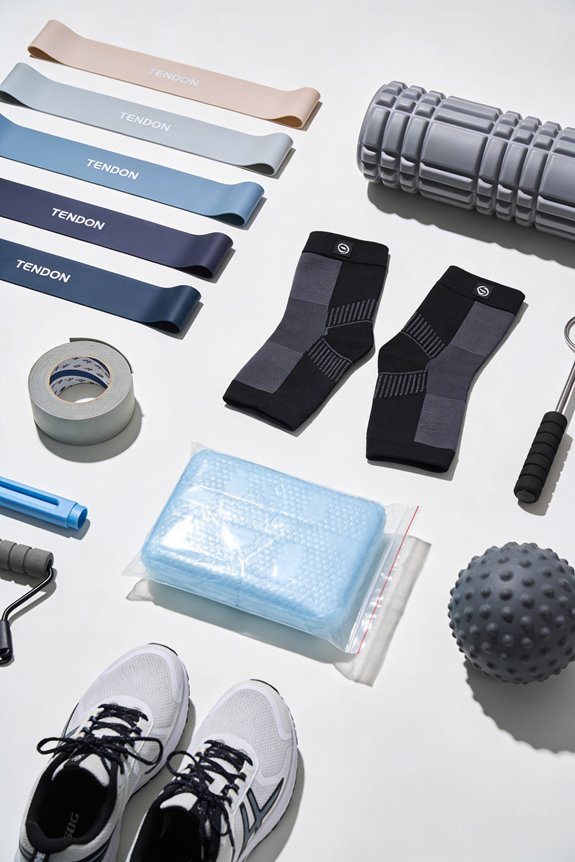
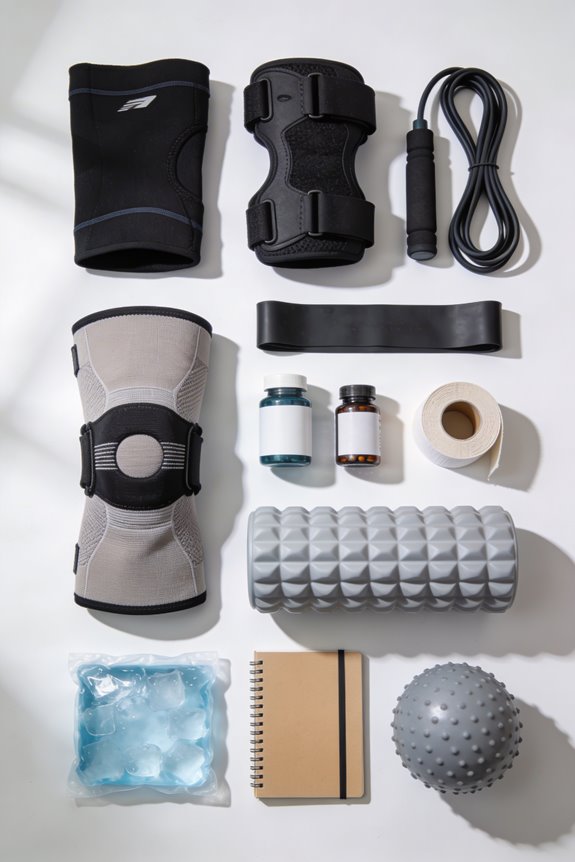
When we talk about muscle soreness, we usually mean Delayed Onset Muscle Soreness (DOMS) or more serious injury pain. DOMS happens 24 to 72 hours post-exercise, causing a dull ache from tiny tears in muscle fibers; it’s a sign of muscle adaptation. In contrast, injury pain often feels sharp and restrictive. Knowing these differences is key for recovery. Using ice or heat can help manage symptoms. We’ll explore more on treatments and prevention strategies next.
Key Takeaways
- DOMS typically presents as a dull ache that peaks 24 to 72 hours after exercise, indicating muscle adaptation.
- Serious injuries result in sharp pain with immediate movement restriction, requiring careful attention.
- Unlike DOMS, which is manageable, persistent or severe pain can signal a more serious issue needing medical evaluation.
- Limited range of motion and weakness are signs that may indicate muscle strains or tears, differing from DOMS sensations.
- Listening to bodily signals is crucial for distinguishing between normal muscle soreness and potential injuries.
What Is Delayed Onset Muscle Soreness (DOMS)?
Have you ever hit the gym hard and then found yourself feeling sore days later? That’s Delayed Onset Muscle Soreness, or DOMS for short, and it’s something most of us deal with at some point. Usually, it sneaks up on you around 24 to 72 hours after a workout, peaking right in that window. This soreness comes from tiny tears in your muscle fibers, especially from those eccentric movements, and it can leave you with a dull ache and tenderness that feels pretty familiar if you’re into fitness.
Now, DOMS might even come with a slight burning sensation, but that’s perfectly normal. This soreness actually means your muscles are getting stronger and adapting, which is a good thing. Just keep in mind that it’s classified as a type 1 muscle strain injury, so it’s different from sharp pain that could signal something more serious.
So, why does this matter? Understanding DOMS is key to recognizing how your body recovers from the damage caused by tough workouts. Here are a few tips for handling it:
- Rest: Make sure you take some time to let those muscles repair.
- Stay Active: Light movement can actually help ease the tightness.
- Stay Hydrated: Drinking water helps muscle recovery.
Choosing the right clothes, like athletic pants with breathable fabrics, can also help comfort your muscles during this recovery phase.
Truth is, while DOMS can be a pain, it’s part of the process of getting stronger. Just remember to listen to your body and don’t be afraid to take a break if you need to. Have you encountered DOMS after a workout? How do you usually cope with it?
Recognizing Common Symptoms of DOMS and Their Timelines

Have you ever finished a tough workout, feeling great about your progress, only to be hit with muscle soreness a day or two later? That’s delayed onset muscle soreness, or DOMS for short, and it’s something most of us experience after pushing ourselves. Understanding the signs can really help you prepare for the next sweat session and know what to expect.
DOMS usually peaks between 24 and 72 hours after you work out, starting off as a dull ache or tenderness in the muscles you used. This pain comes from those little micro-tears in the muscle fibers caused by eccentric contractions. Don’t worry, though; while it sounds intense, it’s typically mild and manageable. You might notice the soreness kicking in about 12 to 24 hours post-exercise, and the good news is it usually fades away in just a few days.
So, why does this matter? Recognizing DOMS isn’t just about dealing with discomfort; it’s a sign your body is adapting to the effort you’re putting in. Unlike sudden injuries that come with sharp pain and can really throw a wrench in your plans, DOMS is a gradual reminder that your training is working.
Here are a few tips for handling DOMS:
- Rest: Give your muscles time to heal.
- Gentle Stretching: This can help ease some of the stiffness.
- Stay Hydrated: Water aids recovery.
- Light Activity: Sometimes a little movement can do wonders.
The best part is, this soreness is just proof that you’re challenging yourself, which is a good thing. So next time you feel that familiar ache, remind yourself it means you’re on the right track. Additionally, just like selecting the right breathable fabric is important for comfort in summer rompers, choosing the right recovery methods can improve your comfort and mobility post-workout.
In short, listening to your body is key to making the most of your workout journey. What’s your go-to method for coping with post-workout soreness?
Exploring Causes of Muscle Soreness

Ever finish a workout and wonder why your muscles feel like they’ve been hit by a truck? Let’s talk about muscle soreness and why it often comes knocking, especially after those intense sessions.
One big reason you’re feeling sore is Delayed Onset Muscle Soreness, or DOMS for short. It hits after a tough workout when your muscles endure micro-tears—essentially tiny injuries that happen from pushing your limits. This inflammation kicks in and, believe me, it can be pretty uncomfortable. The pain usually peaks around 24 to 72 hours later. It’s no fun, but it’s a normal part of building strength and endurance.
Tendonitis can also bring some serious discomfort. This occurs when you overdo it—think repetitive motions that lead to inflamed tendons. If you’re experiencing sharp pain in a specific spot, that might signal something more serious than just regular soreness. So, what can you do about it?
Try these tips:
- Warm up and cool down: Always take a few minutes at the beginning and end of your workout.
- Listen to your body: If something feels off, don’t push through it.
- Incorporate rest days: They’re just as important as the workouts themselves.
- Stay hydrated: Your muscles need water to recover effectively.
Using tools like a muscle roller stick can also aid in muscle relaxation and improve recovery times.
Honestly, managing muscle soreness is key to maintaining an effective workout routine. Understanding what’s causing that discomfort can help you make better choices in your fitness journey.
How to Differentiate DOMS From Serious Injuries
So, have you ever finished a workout and felt like you’ve been hit by a truck the next day? You know that painful stiffness and soreness that just won’t let you move? It’s what we call Delayed Onset Muscle Soreness (DOMS). A common thing we all experience, but here’s the kicker: you need to know how to distinguish it from something more serious.
DOMS typically peaks around 24 to 72 hours after your workout. It’s that dull ache that tells you your muscles are working hard to repair and grow. But serious injuries? They hit you out of nowhere, usually while you’re exercising. You might feel a sharp pain that suddenly restricts how you move. It’s important to pay attention to these distinctions.
Think about it: when dealing with DOMS, you might feel stiff, but it’s generally manageable. The pain comes and goes. In contrast, an injury can lead to a gnawing pain that sticks around and can make daily activities feel difficult. If you’re feeling persistent weakness or notice your gait changing, that’s a huge red flag.
The trick is to listen to your body. If the pain is mild, it’s likely just part of the strengthening process. But if your range of motion is sharply limited, it might mean something like a muscle strain or tear. At that point, don’t hesitate to consult a professional for physical therapy. After all, it’s better to be safe than sorry.
To sum it up, understanding the difference between DOMS and serious injuries can save you a lot of trouble in the long run. Wearing supportive posture braces can also aid in pain relief and recovery during the healing process. Have you ever confused the two? It’s a common mistake, but being aware of these signs makes a world of difference!
When to Seek Medical Attention for Pain?
Is that pain you’re feeling just part of the healing process, or should you be worried? It’s important to pay attention to sharp pains that make it tough to move or use your strength, as they could hint at a more serious issue. If you’re dealing with pain that sticks around for more than a week or two and disrupts your daily life, it’s definitely time to reach out to a healthcare professional.
Don’t ignore noticeable changes in how you walk or any weakness you feel after exercising. Those signs might mean you should see a physical therapist or a sports medicine expert. And if you’re a young athlete, be cautious of any pain around your growth plates during certain activities; that’s a sign of possible overuse injuries that need prompt attention.
What about sudden pain that pops up during your workout? That’s a clear signal that something might be off and deserves a closer look.
To sum it up: Trust your instincts. If something doesn’t feel right, don’t hesitate to check in with a professional. How do you usually handle pain when it springs up during your activities? Proper moisture-wicking clothing can help reduce discomfort caused by excessive sweating during physical activity.
Effective Treatments for Managing Muscle Soreness
Feeling those muscle aches after a tough workout? You’re not alone! Muscle soreness can really put a damper on your routine, but there are some simple ways to tackle it.
First off, ice therapy can be a real lifesaver. Apply ice for 20-minute sessions to help relieve pain and reduce swelling after your workouts. Cold Water Immersion (CWI) is another effective method for post-exercise recovery. If you’ve ever taken a cold plunge, you’ll know what I mean!
On the flip side, Hot Water Immersion (HWI) can do wonders too. It boosts blood flow and can aid in muscle protein synthesis, which is essential for recovery. And if you’re looking for an extra edge, consider adding magnesium supplements to your routine; they can really help speed up recovery.
Don’t forget about the power of regular massages and wearing compression garments. Look for ones made from nylon and spandex; they’re perfect for keeping everything in place and can help soothe those sore muscles.
Additionally, incorporating cozy yoga blankets during your recovery sessions can enhance comfort and relaxation.
So, why does this matter? Understanding your body’s recovery processes is key. By exploring these methods, you can lessen the impact of delayed onset muscle soreness (DOMS) and keep your training on track.
In short, a mix of ice therapy, heat therapy, magnesium, and good old-fashioned massage can help manage muscle soreness effectively. What’s your go-to method for recovery?
Tips for Preventing Muscle Soreness and Injury
Have you ever finished a workout feeling like you’ve run a marathon, only to wake up the next morning with muscles that scream at you? It’s a common problem, but there are simple ways to keep soreness at bay and prevent injuries.
To start, one of the best things you can do is gradually ramp up the intensity and volume of your workouts over about two weeks. It’s tempting to push yourself right away, but taking your time pays off. Proper stretching after your workouts is also key; it helps get the blood flowing to your muscles, which means you’ll recover faster.
Don’t underestimate the importance of staying hydrated and eating a balanced diet, either. These are crucial for helping your muscles repair. On days when you feel particularly sore, consider spreading out your activities—this gives your muscles some much-needed recovery time.
Try this: after a tough session, apply ice to any swollen areas—it can really help. For chronic soreness, heat can be a better option.
Honestly, by incorporating these practices into your routine, you can significantly lessen the chances of dealing with pain during your workouts. Additionally, wearing compression shorts can improve muscle support and enhance recovery during and after exercise. So, what’s stopping you from trying some of these tips?
Understanding Recovery Pathways From DOMS
Ever hit the gym hard and then felt like you got hit by a truck the next day? That’s what we call Delayed Onset Muscle Soreness, or DOMS for short. It usually happens after intense workouts when you push your muscles to the limit, especially during those eccentric movements, where muscles lengthen under tension.
So, what happens during DOMS? Your muscles experience tiny tears, triggering repair processes. Interestingly, this doesn’t always involve those satellite cells you might’ve heard about. Instead, your body kicks into gear, activating calpain enzymes that break down damaged proteins, helping your muscles recover and remodel.
Here’s the trick: if you keep challenging your muscles regularly, you can gain what’s known as the “repeated bout effect.” This means your body adapts, so you won’t feel as sore from those same workouts in the future. Plus, if you can toss in some strategies like cold water immersion or magnesium supplementation, you can really help your body bounce back quicker.
Why does this matter? Because no one enjoys feeling like they can barely move after a good workout. Incorporating a few recovery tactics can lessen muscle soreness and speed up how quickly you’re back to full strength.
To recap, DOMS is a normal part of pushing your body, but there are ways to ease that discomfort. Next time you hit a tough workout, try mixing in some of these recovery tips. Wearing breathable fabrics during workouts can also contribute to overall comfort and recovery. Do you have a go-to recovery method that works for you?
Frequently Asked Questions
How to Know if It’s DOMS or Injury?
To know if it’s DOMS or injury, we should look for soreness signs like dull aches that fade within a few days versus injury indicators like sharp pain and movement limitations that linger beyond the typical recovery timeline.
How to Differentiate From Your Muscles Aching or Injury?
To differentiate between muscle aches and injury, we should assess workout intensity, apply pain management techniques, and consider muscle recovery strategies. If pain persists or worsens, it’s wise to consult a professional.
Did I Injure Myself or Am I Sore?
If we’re feeling soreness signals, it might just be part of our fitness recovery and training adaptations. However, if the pain’s sharp or persistent, we should check in with a professional to be safe.
What Is the Difference Between DOMS and Muscle Soreness?
“Don’t judge a book by its cover.” DOMS symptoms include aches lasting 24 to 72 hours, while regular soreness often fades quicker. Recovery tips like gentle stretching help us manage both effectively and improve our performance.